Deep Water (2026) – Review
Quick Thoughts:
- It’s a really good time.
- You know a Renny Harlin movie will be good when it features plane crashes (Cliffhanger, Die Hard 2), sharks (Deep Blue Sea), and exploding helicopters (The Long Kiss Goodnight, Cliffhanger, Deep Blue Sea).
- Ben Kingsley and Aaron Eckhart are wonderful. They add pathos to the proceedings
- SHARK GANG!!!!!!!!!!!!!!!!!!!!!!!!!
- Angus Sampson is wonderful.
- Watch it in a theater. It plays well.
- Listen to Deep Blue Sea – The Podcast wherever you listen to podcasts.
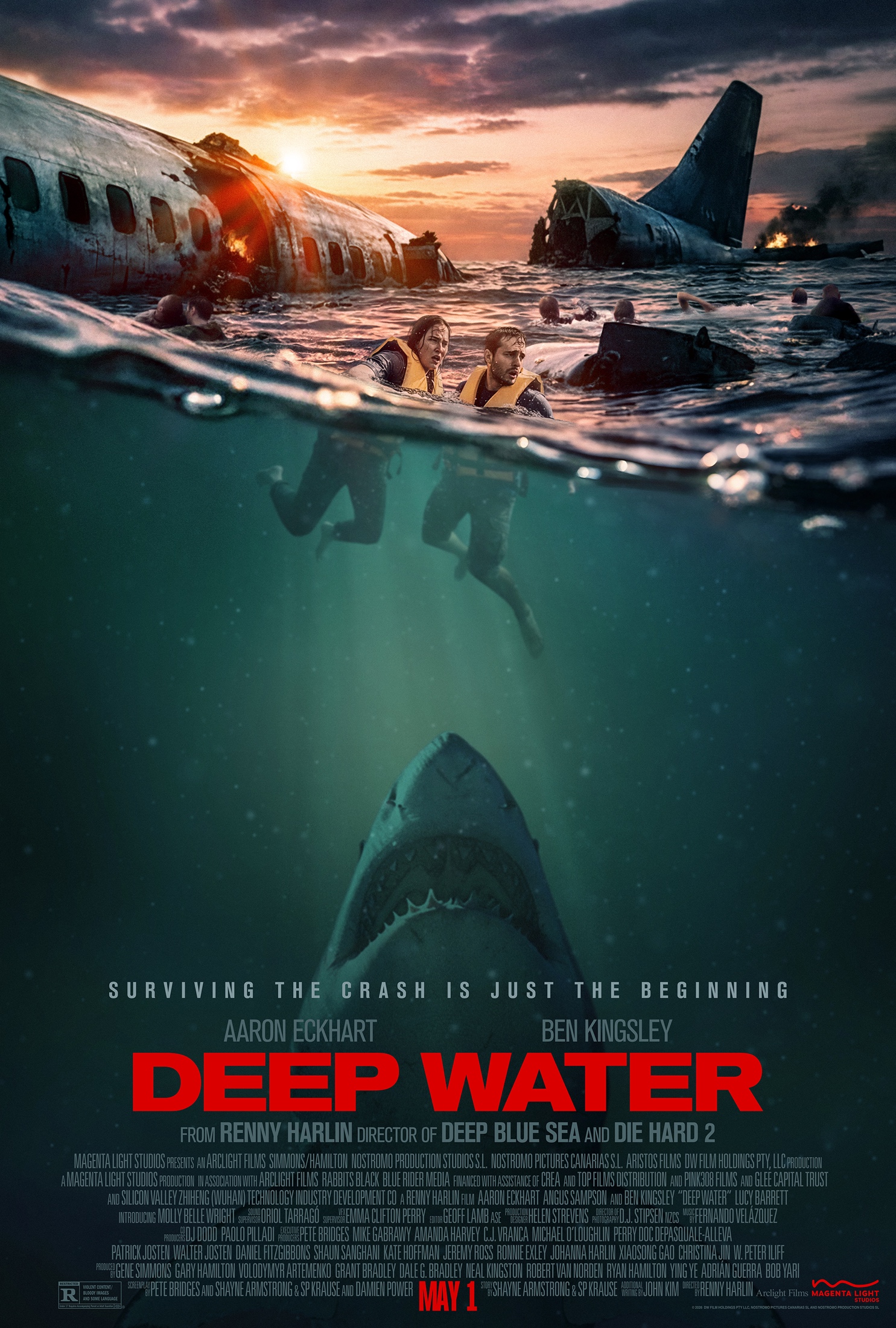
If you’ve been reading Movies, Films and Flix for a while, you’ll know that the Renny Harlin-directed Deep Blue Sea (1999) is my favorite film (listen to Deep Blue Sea – The Podcast). It’s a perfect summer popcorn movie that features inventive set pieces, beautiful animatronics, and a wonderful kitchen fight. Words can’t express how much I love the film, and that’s why it was exciting when news broke that Renny was headed back into the ocean with favorite lead actor Aaron Eckhart (The Bricklayer is a good time). It’s even more exciting to announce that Deep Water is a good time. The film was originally supposed to be a sequel to Bait 3D, but the screenplay’s similarities to the 2014 disappearance of Malaysia Airlines Flight 370 delayed the production for well over a decade.
In a most random occurrence, KISS frontman Gene Simmons and Arclight Films chairman Gary Hamilton bought the rights to the screenplay and tapped Renny Harlin to direct the shark thriller. It was a wise decision because Harlin knows how to handle limited production budgets and international crews. After The Strangers trilogy (which was shot in 52 days – all three films), Refuge, The Misfits, and The Legend of Hercules, it’s nice knowing that Harlin was given a decent budget and a proper amount of prep time to craft the survival thriller.
The plot of Deep Water revolves around a doomed flight that crashes in the ocean during its journey from Los Angeles to Shanghai. The passenger list is made up of a soon-to-be retired pilot (Ben Kingsley), a troubled middle-aged pilot (Aaron Eckhart), and a bunch of good-looking passengers and flight attendants (Lucy Barrett, Kelly Gale, Na Shi). There’s also a super jerk (Angus Sampson – wonderful), a sassy Shelley Winters-type (Kate Fitzpatrick), two kids (Molly Belle Wright, Elijah Tamati), and a group of e-gamers (Li Wenhan, Zhao Simei).
When the plane reaches its mid-point in the middle of the ocean, a lithium battery explodes in the cargo hold forcing the pilots to land the plane in the water. It’s a thrilling sequence that is made better by the acting skills of Kingsley and Eckhart, who add a lot of pathos to the crash. While landing in the water, the plane hits a coral reef (problems on problems!), and it breaks apart into multiple pieces. From there, Harlin splits up the action between four groups as they are eaten by a gang of hungry sharks.
The nice thing about Deep Water is that the location of the characters on the aquatic chessboard is easily comprehensible, and as they move around the board, you know where they are going. Harlin stages the various attack scenes with aplomb (he loves creative kills), and for a while, it appears that none of the characters are safe from the hungry sharks. There are definitely too many characters, which keeps characterization thin, but all the actors understood the assignment and did a fine job. At the movie’s center is a fine performance from the square-jawed Aaron Eckhart, who plays a grieving pilot with an overly complicated backstory (kicked out of the military, sick kid). He and Kingsley work well together and Eckhart is totally believable as a man who unites all the passengers.
In an interview with Variety, Harlin credits his ability to direct “middle-ground” movies as one of the reasons for his decades-long career. It’s a good point because he’s proven himself to be an economical director who can operate with truncated pre-production schedules and limited shooting days. With Deep Water, he’s taken an international cast and crew and created a genuine crowd-pleaser that received massive reactions from the preview screening I attended. Harlin wanted to make his version of a 1970’s disaster film, and he succeeded. If you’re looking for a fun popcorn flick, Deep Water is worth a watch.
Share this post:

John’s Horror Corner: Doppelganger (1993), this hidden gem is a truly bizarre thriller starring Drew Barrymore and her inner monster.
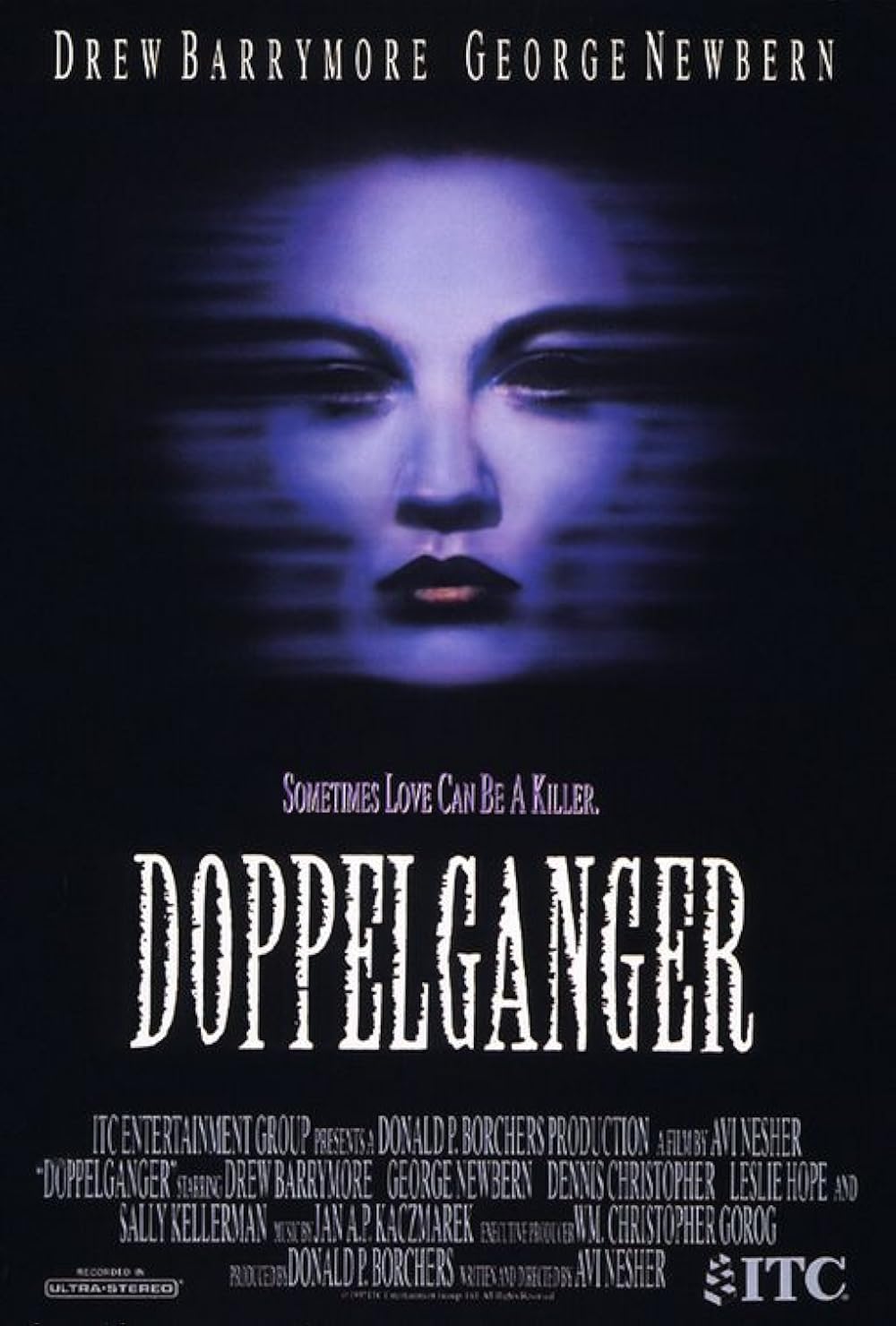
MY CALL: Yeah, this gives the first impression of a raunchy sexy thriller. But it is not! I mean, it’s not “not a sexy-ish movie.” But this is a solid, weird as hell horror movie that is really worth your time if you seek 80s and 90s oddities. MOVIES LIKE Doppelganger: While completely dissimilar movies, I’d pair this with the original Hellraiser (1987), which was in many ways a sexy chamber thriller (while also still quite grotesque and supernatural) which didn’t rely on nudity.
This stylish film opens with scenes of hot and heavy clothed erotica and bloody stabbing murder. I thought this film would be scandalously raunchy based on the opening sequence. But truth be told, the nudity in this film is rather limited despite several scenes involving or implying sex. Writer and director Avi Nesher (Ritual, She) does well keeping this film within his target thriller-horror genre. So, any references online one finds calling this an “erotic thriller” I would call a bit misleading.
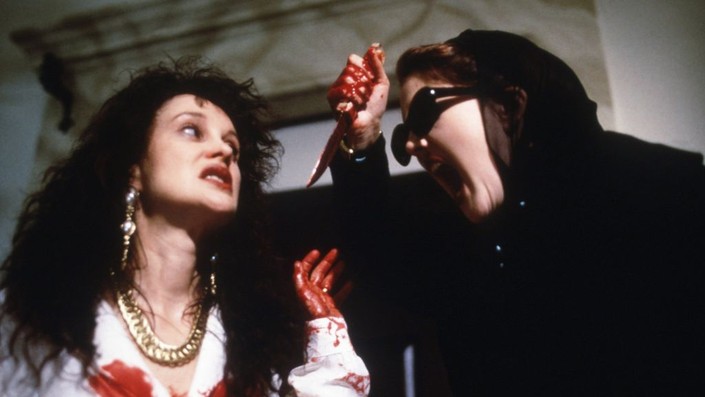
Writer Patrick (George Newbern; Father of the Bride I-II) takes on a young and mysterious roommate Holly (Drew Barrymore; Cat’s Eye, Firestarter, Poison Ivy, Scream, Smile 2), who has just moved from New York to Los Angeles and apparently was followed by her lookalike stalker.
Having lost her parents, she is surrounded by a sultry kind of weirdness. Holly visits her old family estate which seems to be occupied by her lookalike, there’s a blood-soaked shower scene, Holly’s family lawyer is weirdly affectionate, there is a wild stormy kitchen sex scene, some sultry 90s party dancing, and a loony finale. There’s also an early cameo by Danny Trejo (From Dusk Till Dawn).
Somewhat early in the movie, Holly explains to Patrick that he slept with her very dangerous doppelganger (in his apartment), not with her—which makes her sound insane. To be clear, there is no discussion of how this doppelganger got into their place, or how or why she is dangerous. Seems like something a roommate might ask… eh, 90s writing. And then there is the mystery around how Holly’s parents were murdered, some weird history with her catatonic brother, we find Holly literally crucified on her bedroom wall, aaaaand a random law enforcement agent shows up out of nowhere and tells Patrick that Holly has multiple personalities. This movie packs a lot of bizarre scenes and revelations in its running time.
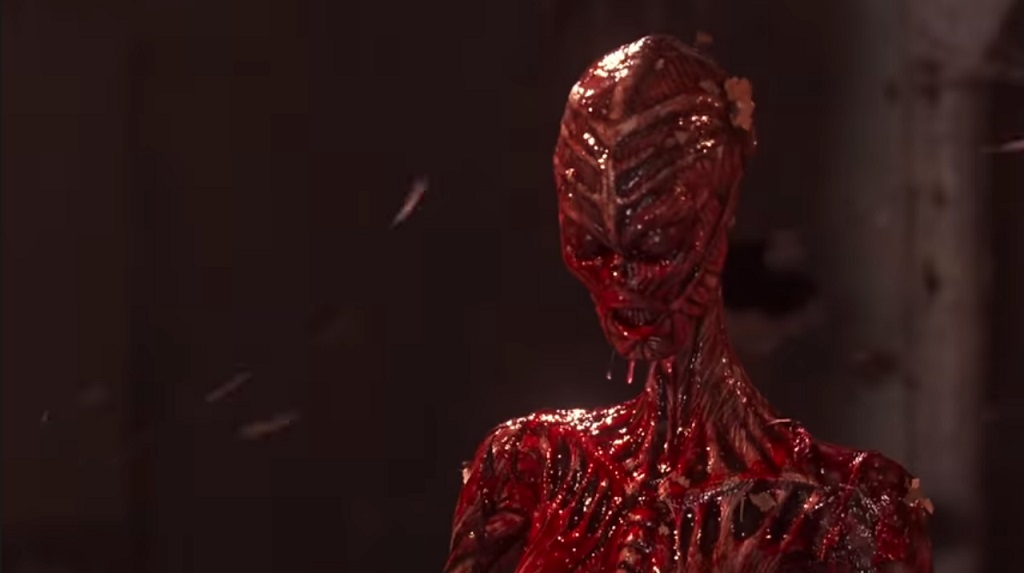
Eventually, Patrick tracks down Holly’s doppelganger, which has a collection of disguises. The wild finale delivers full-tilt nonsense in the form of supernatural forces and grotesquely gory monster effects. It’s so bizarre, yet weirdly very satisfying.
This isn’t a great “film”, but it’s pretty damn entertaining! It’s actually really ambitiously made and so much better than I expected. I really enjoyed this oddly cut hidden gem.
Share this post:

The Devil Wears Prada 2 (2026) – Review
Quick Thoughts:
- Anne Hathaway is wildly charming.
- As always, Meryl Streep owns the screen. She does some excellent work
- The tacked-on love story is handled maturely, but it’s not necessary.
- As a legacy sequel/victory lap, it’s successful
- Stanley Tucci, Emily Blunt, Simone Ashley, B.J. Novak, and Justin Theroux put in a good shift.
- Everyone looks great.
- Justin Theroux is a maniac. He needs to play more characters who are on water deficits.
- I love that writer Aline Brosh McKenna brought in Rachel Bloom for a small role. The Crazy Ex-Girlfriend reunion made me happy.
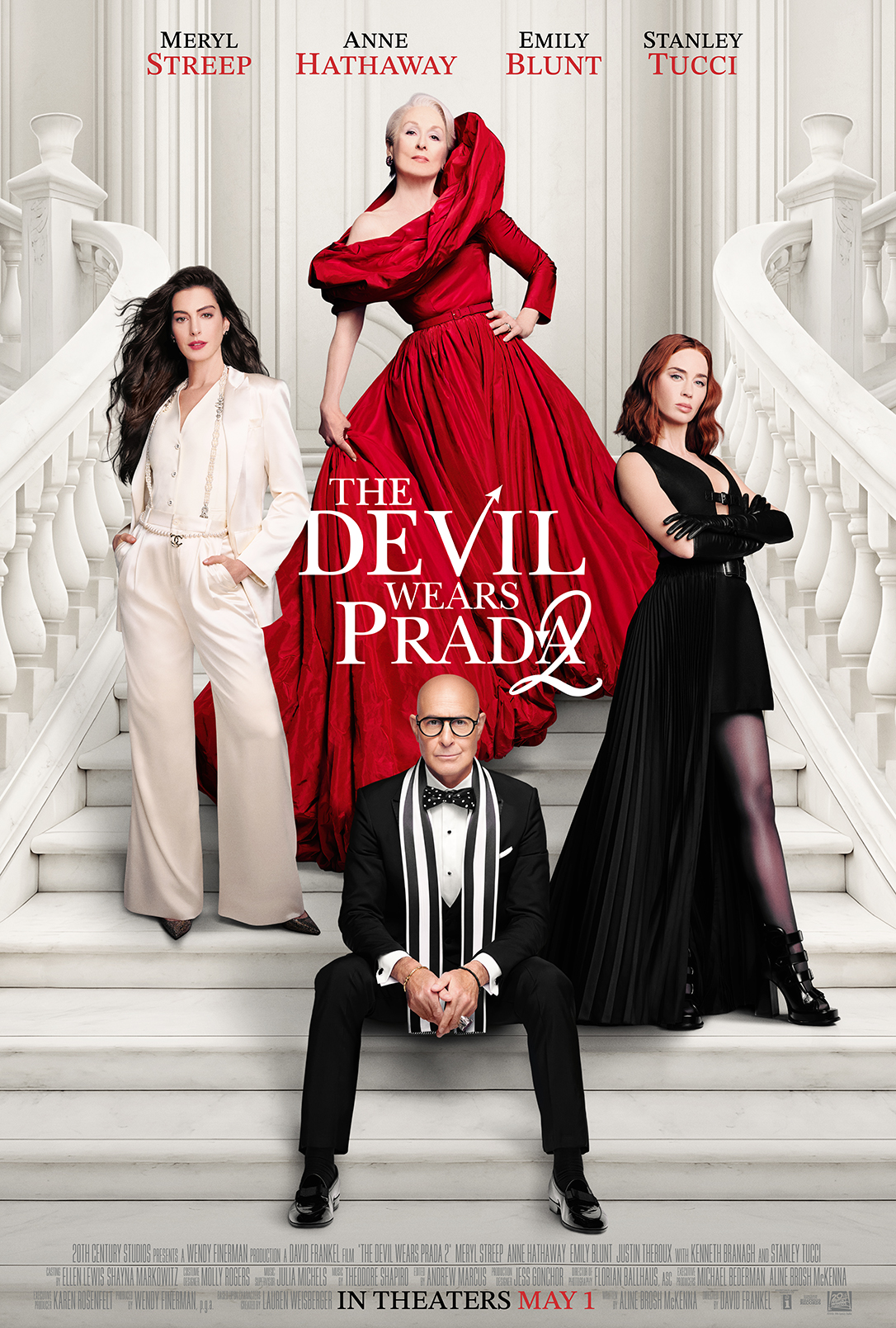
Crafting a legacy sequel to the 2006 blockbuster The Devil Wears Prada (2006) must have been a daunting challenge for director David Frankel and writer Aline Brosh McKenna. The 2006 film grossed $326 million at the worldwide box office and it received a multitude of Oscar, BAFTA, and Golden Globe nominations. Meryl Streep won her eighth Golden Globe (a Guiness World Record), Emily Blunt’s career skyrocketed, and Anne Hathaway became the newest member of the A-list. All of the actors wanted to reunite, but didn’t want the sequel to feel like a nostalgic cash grab. It wasn’t until writer Aline Brosh McKenna decided to focus the film on the state of journalism and how the written word is consumed in 2026, that all the key players returned. The sequel won’t recapture the lightning-in-a-bottle quality of the original, but it is a welcome victory lap and worthy sequel.
The sequel brings back the main players (and a lot of fan service) and focuses on the evolving world of fashion magazines, journalism, and social media. The film opens with Andrea “Andy” Sachs (Anne Hathaway) being laid off from her magazine job moments before she and her coworkers win a prestigious writer’s award. Simultaneously, a fast fashion faux pas made by Miranda Priestly (Meryl Streep) threatens the existence of the floundering Runway Magazine, which has suffered in the online age. Andy’s acceptance speech goes viral (Journalism is important!), and it leads to Miranda’s boss Irv Ravitz (Tibor Feldman), hiring Andy to gain back the journalistic respect that Runway Magazine once had. This brings Andy, Miranda, and Nigel Kipling (Stanley Tucci) back together, and they’re forced to find a way to survive in a world that’s shifting away from traditional media.
Things get dicey when Irv dies suddenly, and his athleisure-loving son Jay (B.J. Novak) is handed the business. This leads to budget cuts (people have to fly coach – in the film’s worst scene), restructuring, and a whole lot of panic within the walls of Runway Magazine. It all builds to a fashion show in Milan, Italy, that involves secret meetings, an annoyed Lady Gaga, and fabulous people looking fabulous whilst riding in a speed boat. It’s a bunch of nonsense, and there’s way too much plot, but director David Frankel is fully committed to the proceedings.
It’s a random comparison, but Anne Hathaway’s performance in The Devil Wears Prada 2 reminds me of Brad Pitt’s wildly charming performance in F1: The Movie (2025). The Oscar-winning actors effortlessly channeled every ounce of their charm into the roles and legitimately own the screen. Also, since the film features Meryl Streep, her presence adds pathos and weight to the proceedings. Her character Miranda is a maniac, but Streep finds ways to make the audience love her. Whether it’s the way she sits in a chair (you’ll know) or the way she observes her surroundings, Streep brings her A-game while playing the fashion icon. The most welcome new addition is Simone Ashley, who plays Miranda’s new first assistant. She isn’t as sassy as Emily (who is?), but she looks great and fits in nicely. It’s also nice seeing Emily Blunt reprise her role as Emily Charlton, who is now a senior executive at Dior and plays an important role in saving Runway Magazine. Blunt has some fun scenes with Justin Theroux, who goes all-in playing a billionaire Jeff Bezos-type who loves AI and dehydration.
If you’re looking for hard-hitting journalism or a takedown of the rich, you’ve come to the wrong place. The Devil Wears Prada 2 belongs in a cinematic fluffy pocket universe that leans into tropes and exists to look great. That being said, current topics are covered as the film explores journalism, AI, and an evolving world that is less reliant on print coverage and art. I’ve witnessed the changes myself as a writer with various companies, so some of the explored topics hit home.
Hathaway, Streep, Ashley, Tucci, Blunt, Lucy Liu, Kennth Branagh (and his indoor scarf) look amazing in costumes created by costume designer Molly Rogers, with the highlight being a gratuitous montage in Milan in which everyone looks glamorous. The return of cinematographer Florian Ballhaus (who shot the 2006 film) helps keep the two movies visually similar and focused on what is important (people looking great).
Share this post:

The Movies, Films and Flix Podcast – Episode 703: Hackers (1995), Angelina Jolie, and Cyber Thrillers
You can download or stream the pod on Apple Podcasts, Tune In, Podbean, or Spreaker (or wherever you listen to podcasts…..we’re almost everywhere).
If you get a chance please make sure to review, rate and share. You are awesome.
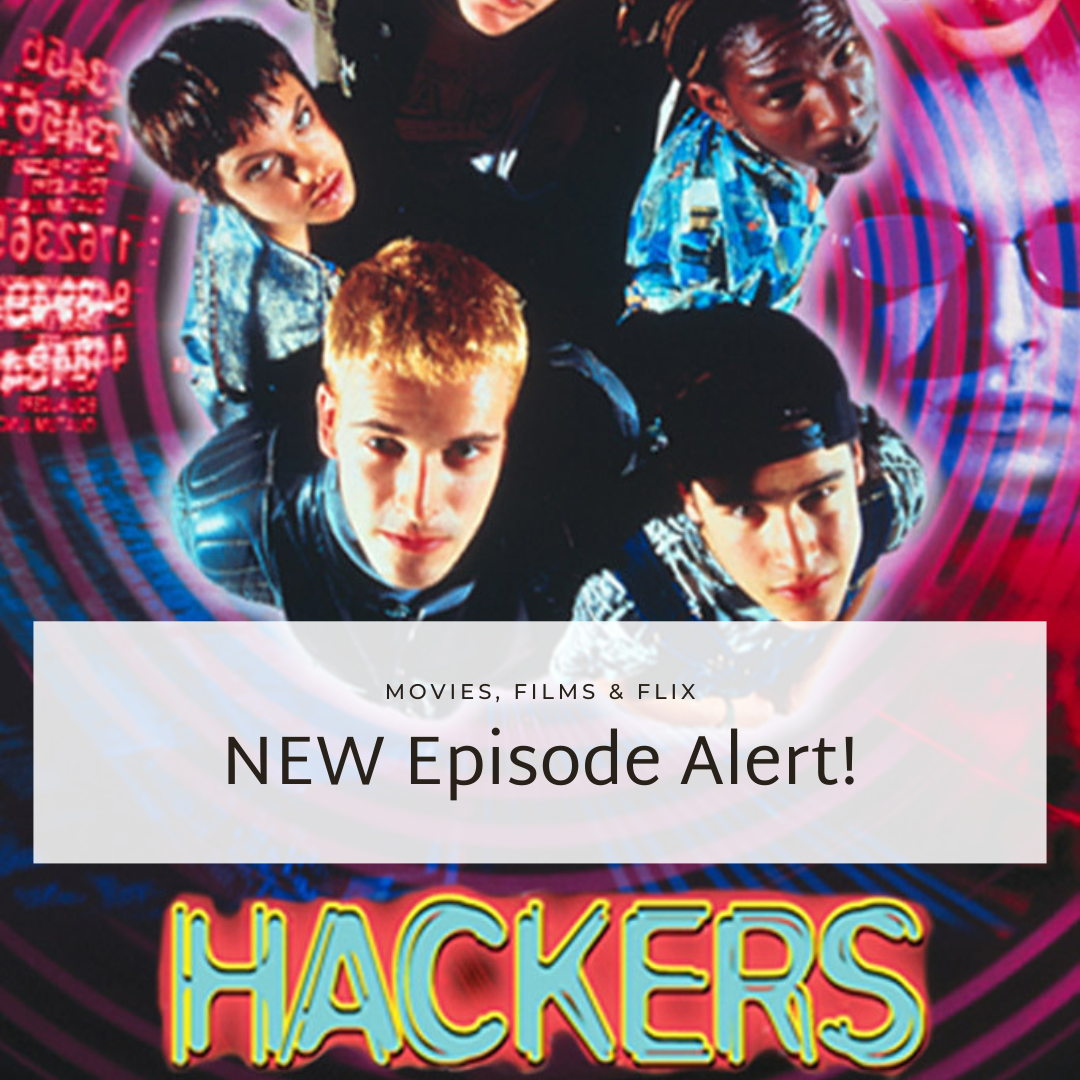
Hack the planet! Mark and Professor Mike Dillon discuss the 1995 cyber thriller Hackers. Directed by Iain Softley, and starring Jonny Lee Miller, Angelina Jolie, Fisher Stevens and a supercomputer, the movie focuses on what happens when a group of hackers battle a legendary hacker named Eugene. In this episode, they also talk about likable characters, 1990s fashion, and hacking planets. Enjoy!
If you are a fan of the podcast, make sure to send in some random listener questions (we love random questions). We thank you for listening, and hope you enjoy the episode!
Share this post:

Mother Mary (2026) – Review
Quick Thoughts:
- Director/writer David Lowery has crafted a unique film that swings for the fences.
- Michaela Coel and Anne Hathaway are excellent.
- Hathaway’s dancing scene is wonderful.
- Cinematographers Andrew Droz Palermo (The Green Knight, A Ghost Story) and Rina Yang (She’s shot music videos for Taylor Swift, Dua Lipa, Doja Cat, Haim, FKA Twigs, Sam Smith, Phoebe Bridgers) do a fine job of making the close-quartered conversations look visually interesting.
- Mother Mary introduces ideas and metaphors and leaves it up to viewers to sort things out. It’s bound to be divisive.
- The songs written by Charli xcx, Jack Antonoff, and FKA twigs (who appears in the film) are legit.
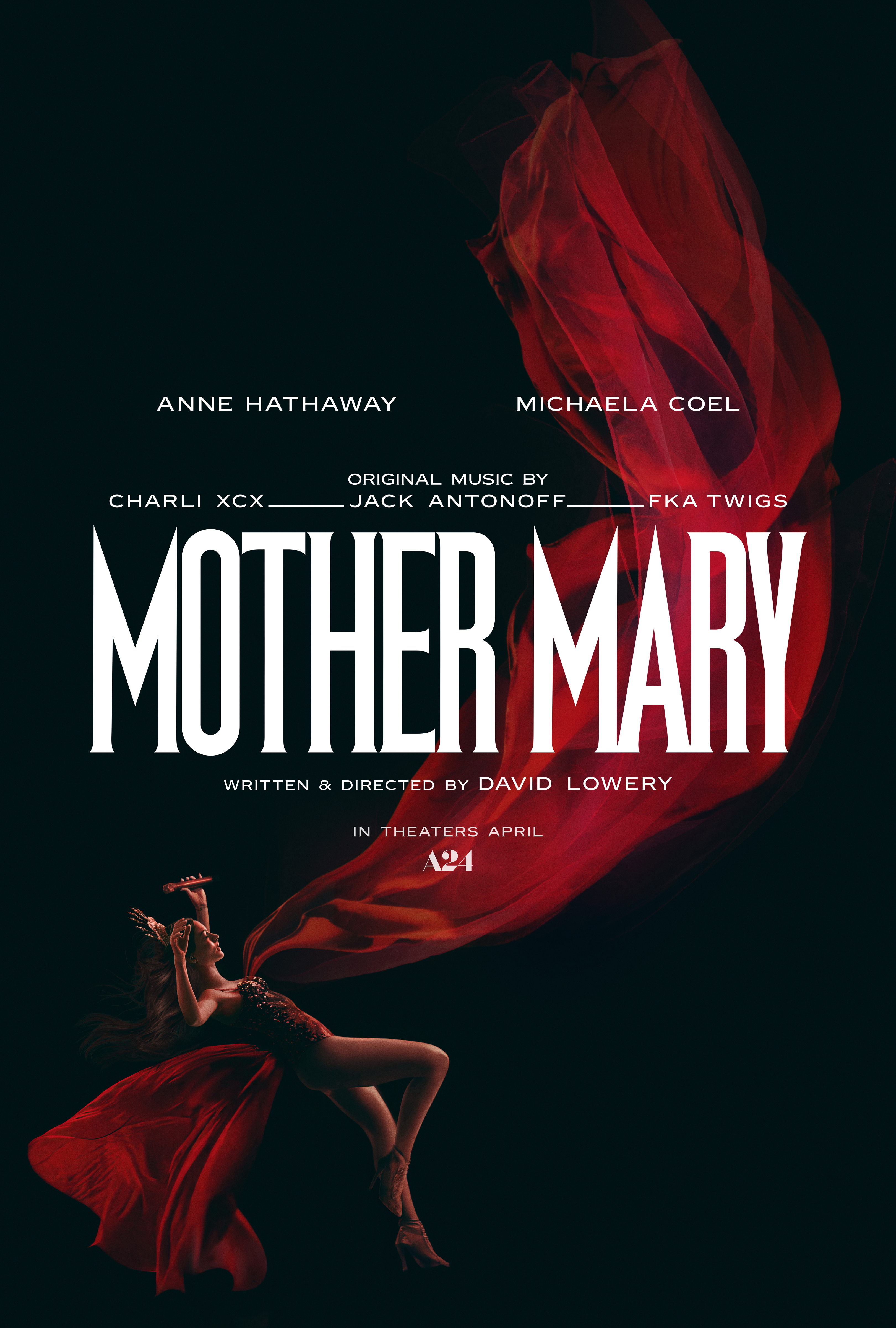
Written and directed by David Lowery (A Ghost Story, The Green Knight), Mother Mary is a unique film that explores fame, forgiveness, regret, hauntings, and creative bonds. Like A Ghost Story and The Green Knight, Mother Mary is left open for interpretation, and it defies easy genre labels. It’s not a ghost story, and it’s not a love story. Instead it’s a conversation-driven film that blends ghosts, Einstein nods, pop music and lost friendship into a hybrid musical drama. It’s simultaneously easy and hard to explain. The high-level explanation is that it’s about a world-famous pop star named Mother Mary (Anne Hathaway) who impulsively travels to a remote English manor that is home to her former best friend, Sam Anselm (Michaela Coel), who designed her first (and most iconic) costumes. Mary needs a new dress made in 24 hours, and the two engage in a “spirited” conversation that lasts the night. On the surface, it seems straightforward, but Lowery tosses in flashbacks, busted teeth, séances, dance scenes (without music), palm stabs, spirit fabric, lavish musical performances, monologues, and numerous metaphors that create dense atmosphere.
Mother Mary is similiar to The Green Knight in that it plays like a mini-epic that punches above its weight (AKA budget). In the press notes, Lowery mentions that he originally intended the film to be a two-hander that takes place over the course of one night. However, after meeting with Hathaway, Coel, FKA Twigs, Charli xcx, and other contributors, the film’s scope expanded into a mini-epic that looks absolutely gorgeous. By the end of the movie, you will be very familiar with the contours and lines of Coel’s and Hathaway’s expressive faces because the camera stays close to the pair as they converse throughout the long night. Both performances are vulnerable, ambitious, and open, which helps the 110-minute film immensely.
Lowery stretches the concepts of forgiveness, fame, and reconciliation pretty thin, but it’s in the quest of trying to decipher long-held feelings that have lingered between two genius creators who’ve been estranged for 10 years. Many of the critics left the screening feeling flummoxed, frustrated, or exhilarated, and these are the correct feelings to have because Lowery doesn’t make it easy for audiences. This is a good and bad thing, as many theatergoers aren’t looking to decipher metaphors or explore themes of forgiveness.
Since it’s a David Lowery film, the technical aspects are wonderful, the cinematography by Andrew Droz Palermo and Rina Yang (who shot the concert and performance stuff) is gorgeous, and the costume design by Bina Daigeler (Tár, Euphoria, Volver, Only Lovers Left Alive) couldn’t be better. Overall, the film’s mise en scène had me admiring every frame and appreciating the work done by the prop department, sound designers, and production designer Francesca Di Mottola.
While writing the script, Lowery listened to Lorde, St. Vincent, Robyn, Taylor Swift, Halsey, James Blake, Aldous Harding, PJ Harvey, Charli xcx, and FKA Twigs, and he and Hathaway do a fine job of capturing the allure of a world-famous pop star. He also drew inspiration from movies like Persona, Bram Stoker’s Dracula, The Red Shoes, Eyes Wide Shut, The Cook, the Thief, His Wife & Her Lover, The Bitter Tears of Petra von Kant, and Taylor Swift: The Reputation Stadium Tour. The end result is a visually interesting experience that is bound to polarize and entertain. The film isn’t as radio-friendly as a popular pop song, but if you’re looking for a big creative swing, you will appreciate what Mother Mary has to offer.
Share this post:

The Movies, Films and Flix Podcast – Episode 702: The Forbidden City (2025), Yaxi Liu, and Italian Action Films
You can download or stream the pod on Apple Podcasts, Tune In, Podbean, or Spreaker (or wherever you listen to podcasts…..we’re almost everywhere).
If you get a chance please make sure to review, rate and share. You are awesome.
Mark and Nick discuss the 2025 Italian martial arts film The Forbidden City. Directed by Gabriele Mainetti and starring Enrico Borello, Yaxi Liu, Marco Giallini and a well-stocked kitchen, the Italian action film is an excellent showcase for Yaxi Liu. In this episode, they also talk about kitchen fights, restaurant photos, and Well Go USA movies. Enjoy!
If you are a fan of the podcast, make sure to send in some random listener questions (we love random questions). We thank you for listening, and hope you enjoy the episode!

Share this post:

The Movies, Films and Flix Podcast – Episode 701: Showdown in Little Tokyo (1991), Dolph Lundgren, and Brandon Lee
You can download or stream the pod on Apple Podcasts, Tune In, Podbean, or Spreaker (or wherever you listen to podcasts…..we’re almost everywhere).
If you get a chance please make sure to review, rate and share. You are awesome.
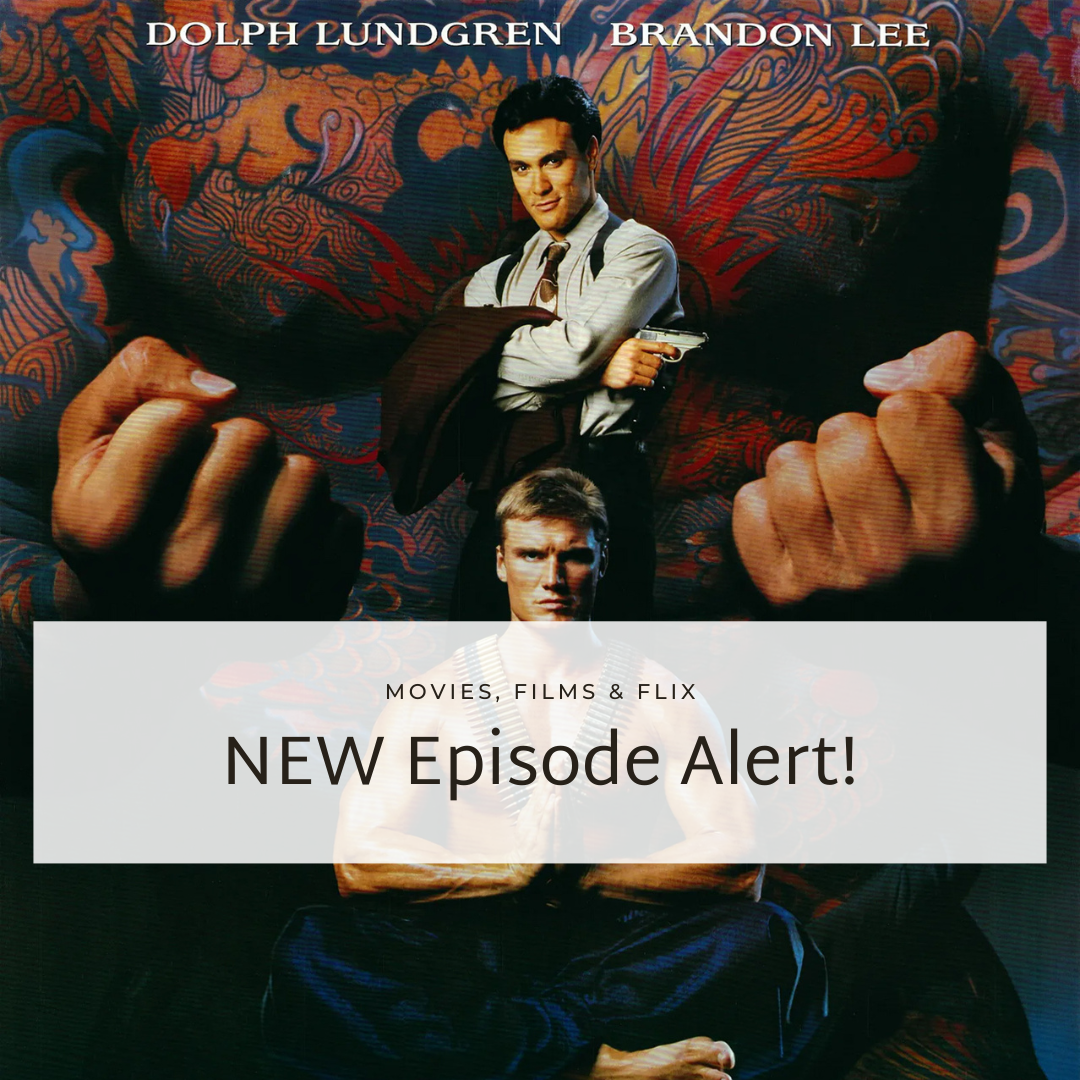
Mark and John discuss the insane 1991 action film Showdown in Little Tokyo. Directed by Mark L. Lester (who also directed Commando) and starring Dolph Lundgren, Brandon Lee, Cary-Hiroyuki Tagawa, and a beer factory, the movie focuses on what happens when the Yakuza mess with a pair of overpowered cops. In this episode, they also talk about lifting cars, Yakuza parties, and overpowered characters. Enjoy!
If you are a fan of the podcast, make sure to send in some random listener questions (we love random questions). We thank you for listening, and hope you enjoy the episode!
Share this post:

Normal (2026) – Review
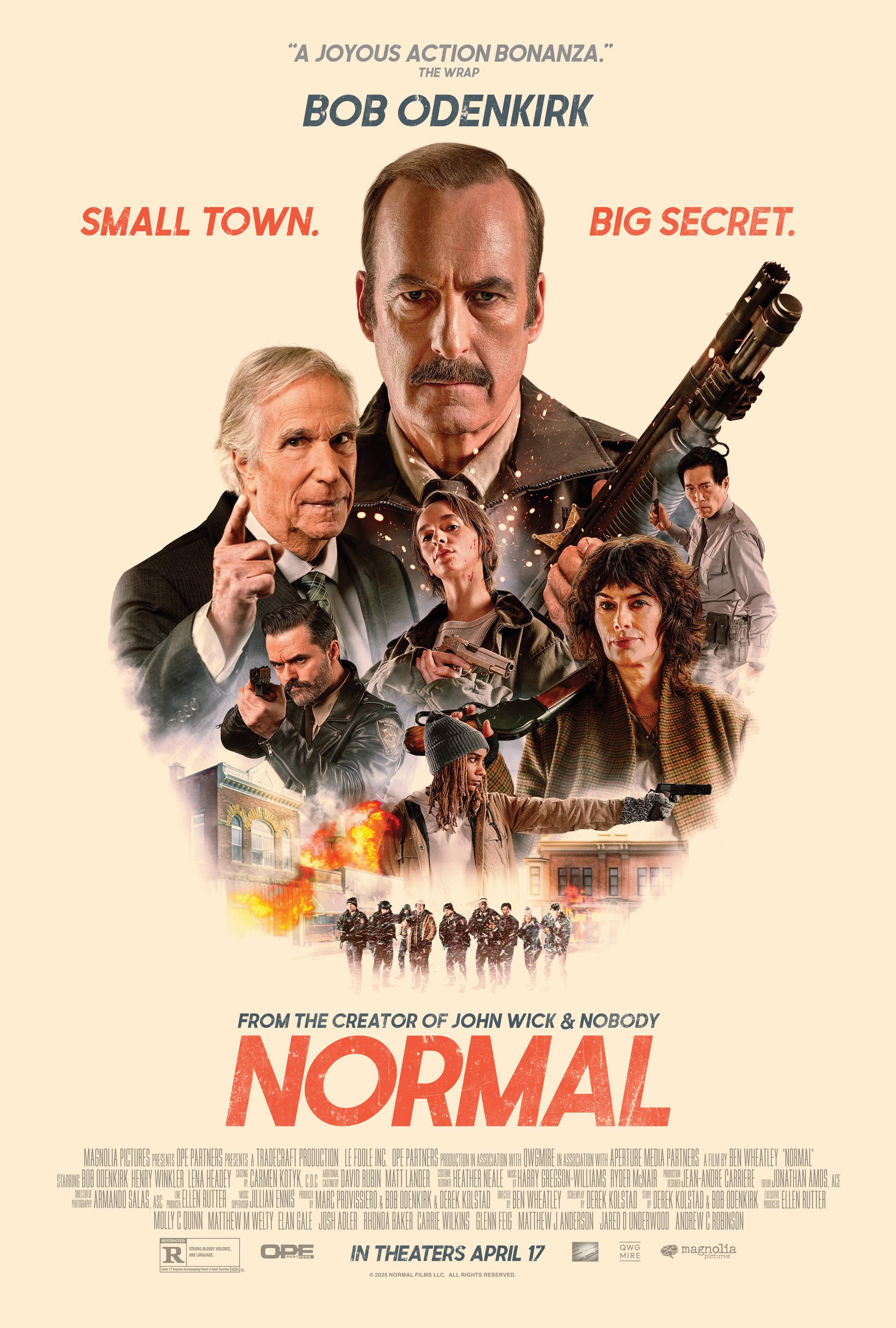
- Between The Forbidden City and Normal, it’s been a good year for kitchen fights
- I normally hate comparing movies to each other, but I love that Normal feels like Hot Fuzz met Nobody and formed a variation of the first season of Fargo.
- Writer Derek Kolstad (Nobody 1 & 2, Normal) and Bob Odenkirk have formed a fun collaboration
- Ben Wheatley knows how to kill people in creative ways.
- I love a straightforward 90-minute action film.
In another era, Normal would’ve been an all-timer cable (TNT, FX, TBS, etc) film that fit within a two-hour afternoon block nicely. The Ben Wheatley (Kill List, Sightseers, Meg 2; The Trench) directed film blends an amiable nature with exploding bodies to create a carnage-filled action film. Filmed in Winnipeg, the believably cold-looking movie punches above its weight because of the familiarity between star Bob Odenkirk and writer Derek Kolstad, who worked together on the Nobody films.
The film focuses on an interim sheriff named Sheriff Ulysses (Bob Odenkirk) who discovers that his temporary sheriff job in Normal, Minnesota, is far from normal. Unlike many of the small towns in America that are slowly dying, Normal seems to be a thriving and friendly place filled with amiable locals, $16 million building renovations, an incredibly well-stocked armory, and a bank guarded by Yakuza gangsters (there’s a cold open involving Yakuza members). Ulysses is in town because the prior sheriff froze during a late-night fishing trip, and he left his well-stocked whiskey bar, extravagant home, and estranged daughter Alex (Jess McLeod) behind. Ulysses has no plans to change anything, just ride out his eight-week tenure and leave the town as it was. However, after meeting the townsfolk played by Henry Winkler, Lena Heady, Billy MacLellan, and Ryan Allen, things take an ill-fated turn when two amateur thieves (Brendan Fletcher, Reena Jolly) attempt to rob the local bank. It would be rude to give away more of the plot, just know that paint is stolen by a moose, stump removers cause chaos, and leather jackets make a lot of noise.
I’ve been a fan of Wheatley since 2011, when Kill List introduced me to his unique blend of humor and violence. His films Down Terrace, Kill List, Sightseers, Free Fire (I love it so much), A Field in England and even Meg 2: The Trench (Viva la jet ski action scenes), prepared him well for Normal. It’s not as abrasive as Down Terrace or depressing as Kill List, but it proves that he has the chops to handle an amiable neo-western that plays like an inverted High Noon. During production, he must’ve realized that Odenkirk had a form handle on his character, so he let Odenkirk cook as he created a likable man who has seen better days after a tragic shooting incident. Ulysses is an observant, instinctive, and capable cop who works well with others and knows how to gently dislodge items stuck in vending machines. When the action pops off, it’s fun watching the trained cop battle lesser-skilled (but very well-armed) people who want him dead.
In an interview with FILMFARE.com, Wheatley said the goal was to make a fun and non-cynical classic western/modern action cinema hybrid (with heart), and he succeeded. If you’re looking for a likable 90-minute action film, you’re going to love Normal. It’s a good time.
Share this post:

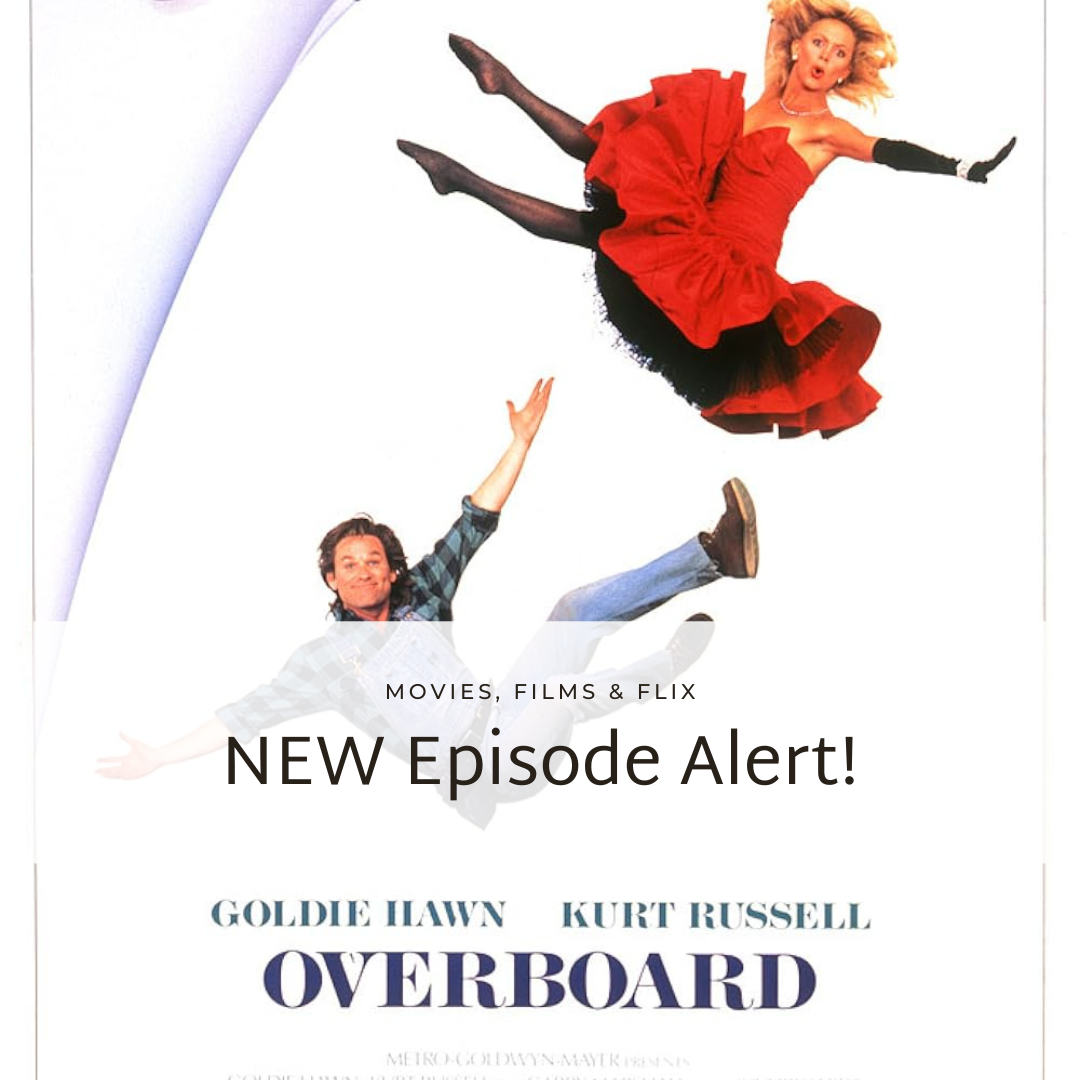
The Movies, Films and Flix Podcast – Episode 700: Overboard (1987), Goldie Hawn and Kurt Russell
You can download or stream the pod on Apple Podcasts, Tune In, Podbean, or Spreaker (or wherever you listen to podcasts…..we’re almost everywhere).
If you get a chance please make sure to review, rate and share. You are awesome.
Mark and John discuss the 1987 rom-com Overboard. Directed by Garry Marshall and starring Kurt Russell, Goldie Hawn, and a miniature golf course, the movie focuses on what happens when a guy goes to extreme lengths to get free daycare for his children. In this episode, they also talk about rom-com insanity, spiraling lies, and the excellence of Goldie Hawn. Enjoy!
If you are a fan of the podcast, make sure to send in some random listener questions (we love random questions). We thank you for listening, and hope you enjoy the episode!
Share this post:

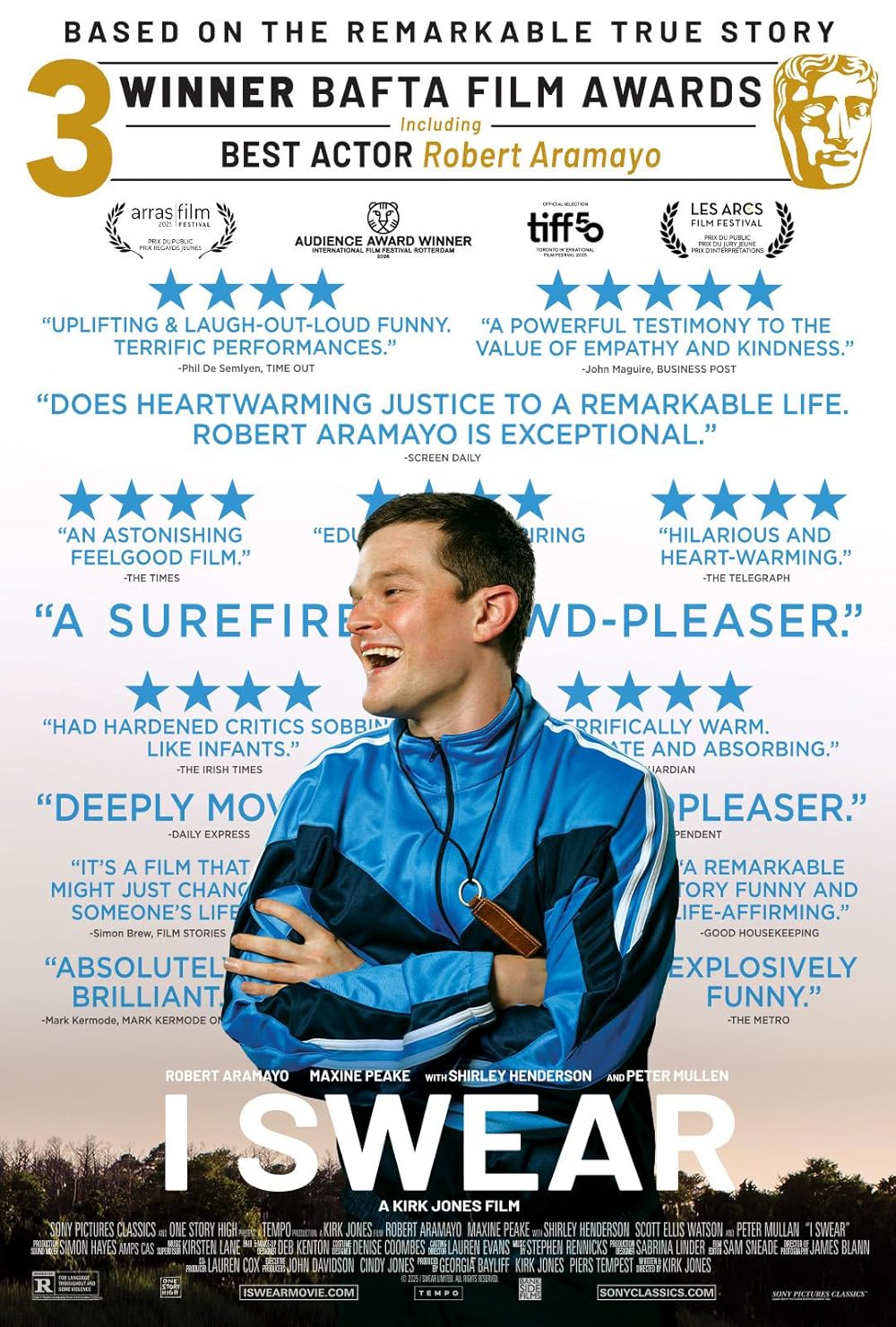
I Swear (2025) – Review
Quick Thoughts:
- Robert Aramayo’s BAFTA win for Best Leading Actor was totally deserved.
- I hope the BAFTA debacle doesn’t hurt the US release. The BAFTA showrunners messed up by not educating the awards show attendees beforehand. The film is about educating people about Tourette’s syndrome, and the showrunners failed their assignment.
- Peter Mullan, Scott Ellis Watson, and Maxine Peake are wonderful.
- Since it’s a biopic, it’s a bit episodic, but that’s to be expected when multiple decades of life are consolidated into 120 minutes.
- It’s an educational experience that manages to be funny and warmhearted.
- I need to watch John’s Not Mad (1989) and Tourettes: I Swear I Can’t Help It (2009)
Based on the life of Scottish activist John Davidson, who was diagnosed with Tourette’s Syndrome in the 1980s. I Swear follows John as he learns to live with his nervous system disorder (with a lot of help from others) and becomes an educational ambassador who educates the UK populace about Tourette’s syndrome. In 2019, He received a Most Excellent Order of the British Empire (and yelled “F**k the Queen” at the ceremony), and it’s nice to see his journey covered in such a lovely film.
The film starts in 1983, and follows 12-year old John (Scott Ellis Watson) as he’s starting high school and on the cusp of soccer stardom. In the first weeks of class, he starts experiencing tics and coprolalia, which manifest during a first date (horrible timing). Since it’s the 1980s, nobody is equipped to deal with John’s condition, so he’s expelled from school, forced to eat in front of a fireplace (he spits food), and his alcoholic father abandons his family. The film then jumps to 1996, where a 25-year-old unemployed John (Robert Aramayo) is still living with his hardworking (and very stern) mom (Shirley Henderson). John is always medicated and seems destined for a depressing life of solitude and apologizing for his tics. His fortunes change when he comes across Murray (Francesco Piacentini-Smith), an old friend who invites him over for dinner. While there, he meets Murray’s mom, Dottie (Maxine Peak), a former mental health nurse who only has six months left to live due to a recent liver cancer diagnosis. After John accidentally smashes a bathroom mirror and eats his meal in front of their fireplace, she convinces John to move into her home so she can help him get off his paralyzing meds, find a job and become more independent. After successfully finding some independence, a wildly understanding man named Tommy Trotter (Peter Mullan – great) hires him to be the assistant caretaker at a local community center. From there, Dottie and Tommy convince Jonathan to start educating police officers, community leaders and students about Tourette’s and its symptoms.
Since the film takes place between 1983 and 2023, a lot of ground is covered, but it never feels overly episodic. We see what happens when he goes to nightclubs (he gets into fights) or sends for dinner orders (he gets brutalized after blurting out “whore” to a woman). The best moments come during his interactions with Tommy, who pushes him to educate people and is supremely patient with his co-worker despite the occasional low blow (John’s right hand is unpredictable).
Director/writer Kirk Jones (Waking Ned Devine, Everybody’s Fine) spent a lot of time with Davidson and learned to keep things loose so lead actor Aramayo could be free to play the character on a moment-to-moment basis. The first thing they shot was a scene between Aramayo and Andrea Bisset, a teenager with Tourette’s. The two were allowed to improvise, and their interactions helped establish the humorous and authentic tone. Aramayo spent months with Davidson, and his hard work paid off in a beautiful performance. Aramayo wanted to avoid impersonation, so he dug deep into the syndrome and worked with a movement coach for his performance. The vibe and pacing of I Swear sticks closely to other UK underdog stories (Eddie the Eagle, The Full Monty, Billy Elliot, Shaun of the Dead, The Phantom of the Open, and Chariots of Fire), which is totally fine because the film is meant to be uplifting, and not depressing. The end production is a crowd-pleaser film that never condescends.


 Movies, Films & Flix