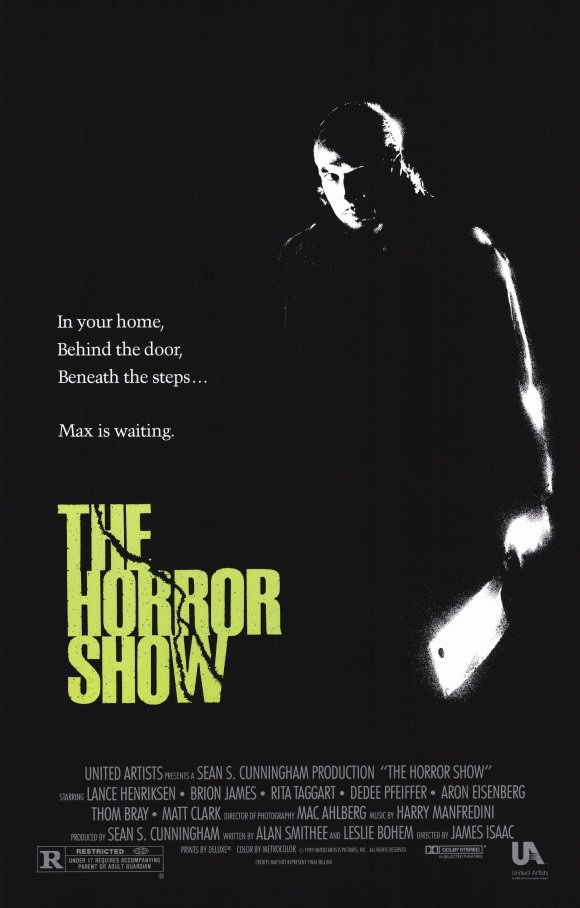
John’s Horror Corner: The Horror Show (1989; aka House 3), this mock-NOES sequel feels nothing like a House sequel… but I like it anyway.

MY CALL: This wasn’t nearly as bad as I expected. In fact, it wasn’t bad at all! Very enjoyable with solid special effects and a decently made Freddy-esque 80s boogeyman movie. MORE MOVIES LIKE The Horror Show: If you watched this thinking it was House 3, then I assume you saw House (1986) and House II: The Second Story (1987). For more “Electric Chair” horror, try Shocker (1989), Tales from the Crypt, Season 1 (1989) and Prison (1987). But more than anything I’d liken this movie to A Nightmare on Elm Street parts 3-5 (1987-1989).
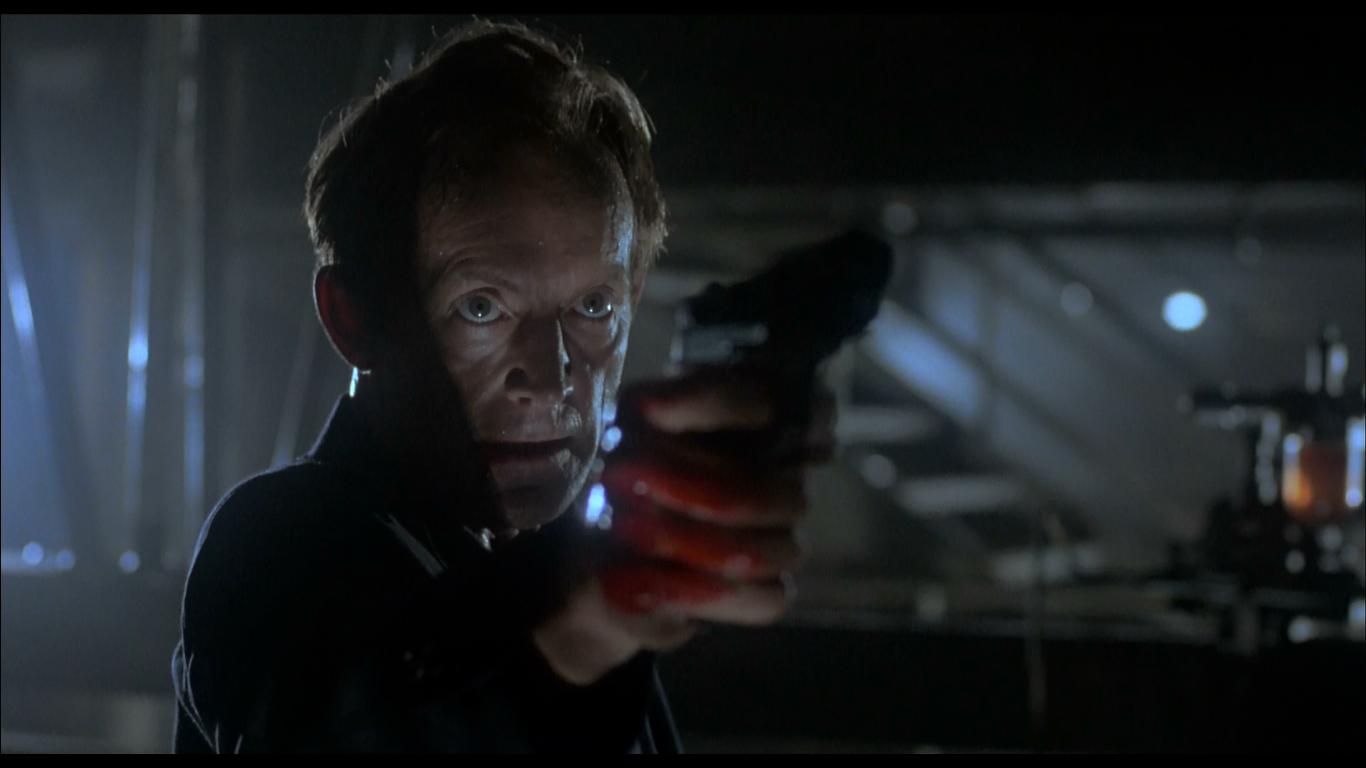
With a head cooking in a diner fryer, another plated for a meal, a screaming severed head, and cop with his arms chopped off to bloody stumps crying that he did his best, this movie uses goofy gore gags while telling its story with a mostly straight face as Detective McCarthy (Lance Henriksen; Man’s Best Friend, The Visitor, Pumpkinhead, Harbinger Down, Hellraiser VIII, Near Dark, Piranha II) hunts down the serial killer Meat Cleaver Max (Brion James; Tango & Cash, The Fifth Element, Nemesis).

Traumatized by Max’s very existence, McCarthy attends his electric chair execution, which is wild and gory down to pulsating skin from boiling blood (like, think Scanners finale). But after the killer is taken down, McCarthy continues to suffer nightmares and paranoia.

After receiving some unbelievable warnings from a parapsychology professor (Thom Bray; The Prowler, Prince of Darkness, DeepStar Six) with some crazy ideas that Max is somehow not gone for good, McCarthy tries to get on with his life. But hungry for revenge from beyond the grave, Max comes back using the very electricity that cooked him in the chair.
The special effects are actually pretty good! The cleaver wounds are gaping and fleshy, the blood is abundant, and then there was the dinner scene. The dinner scene is something straight out of a Freddy sequel (e.g., The Dream Child). The effects for this scene are a bit hokey, but delightful in an 80s kind of way as a turkey grows tendrils and has an unnervingly off-center human face (of Max) on the side of the turkey head which giggles at McCarthy tauntingly.

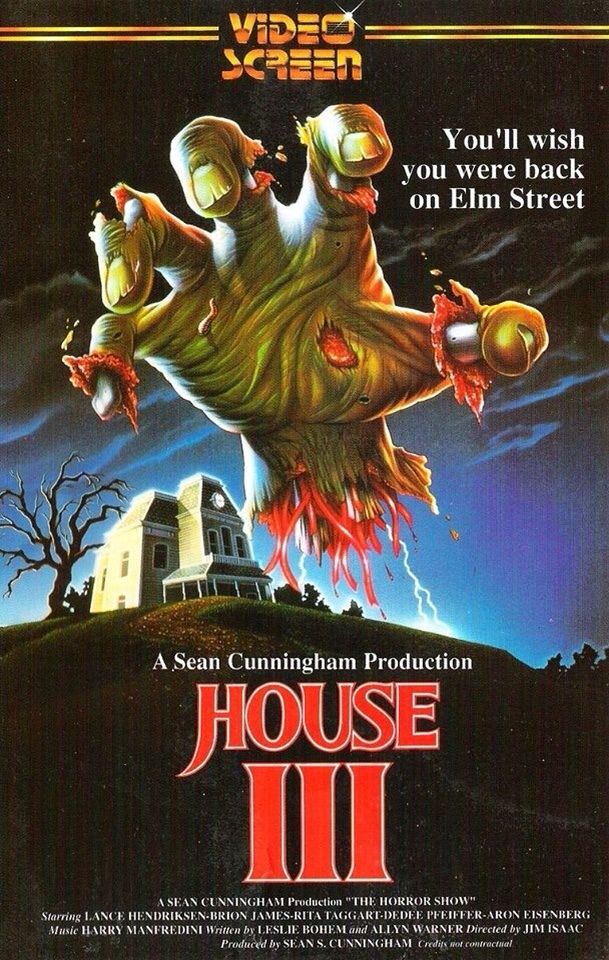
I’m a bit confused as to the association between this movie and the House movies, unless it was only to garner sales overseas using the popular predecessors in name alone. Probably just the marketing people, I guess. But as dissimilar as it is to House (1986), Wes Craven’s DNA abounds in this movie. Likewise in sync with Freddy, Max appears amidst a TV program heckling McCarthy, Max is basically a boogeyman returning from the dead for his revenge against his condemners and their children, and there are several scenes focused on a basement wood-burning furnace. There’s even the classic Freddy’s-face-pushing-through pregnancy scene as we saw in early NOES movies through the wall (part 1), stomach (part 2) and TV (part 3). Director James Isaac’s (Pig Hunt, Skinwalkers, Jason X) NOES influences are worn proudly on his sleeve. There’s even a little jingle they play that sounds like the NOES jingle.

This wasn’t nearly as bad as I expected. In fact, it wasn’t bad at all! I quite enjoyed it. Nothing epic, but a very enjoyable and decently made Freddy-esque 80s horror movie. Truly, it would make a good double feature with any of NOES 3-5.
Share this post:

Nashville FIlm Festival – Woodlands Dark and Days Bewitched: A History of Folk Horror (2021) – Review
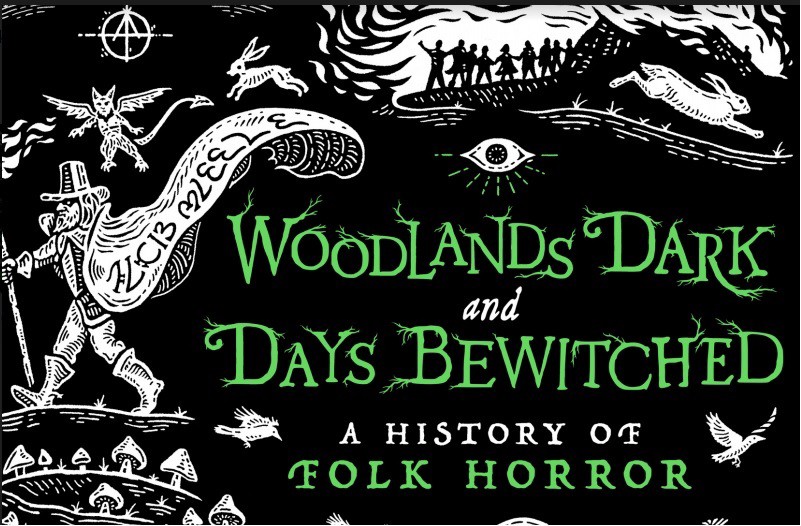
Quick Thoughts – Grade – B – Woodlands Dark and Days Bewitched: A History of Folk Horror is an expansive and educational look into the history of folk horror. Make sure to have a pen and paper nearby, because if you aren’t totally knowledgeable about the genre, you are going to write down a bunch of movies you’ll want to watch.
A big thank you to the Nashville Film Festival for the screener. More reviews to come! You should definitely check out the festival in 2022, you will see some excellent films.
Something random happened the day after watching this documentary. While watching, I found myself taking notes about all the folk horror movies that have gone under my radar. One of the movies that was added to the list was The Lair of the White Worm (1988 – It’s on Amazon Prime now), a wild looking movie which was directed by Ken Russell (The Devils, Altered States), and adapted from a Bram Stoker story. That day, John Leavengood (of John’s Horror Corner on MFF- Follow him on Twitter) posted a review of the film, and the obvious coincidence inspired me to start hunting down more folk horror that I haven’t watched. It’s a random aside, but it’s proof that this documentary opened up a whole new world of films I’ve missed.
Directed and produced by Kier-La Janisse (who wrote the popular book House of Psychotic Women), who started working on this documentary as a half-hour bonus feature for Severin Films (who also produced this doc), Woodlands Dark and Days Bewitched: A History of Folk Horror has grown into an enlightening behemoth that covers over 240 films during its 194-minute running time. What’s nice is that fans of The Wicker Man (the original), or the recently released The Witch, or Midsommar, will be drawn in, and will definitely understand a genre that is much larger than anyone would think (aside from horror scholars). It’s pretty great that this documentary grew into what it is now, because it means Janisse wasn’t happy with just slapping together a 90-minute doc that only covered the mainstream folk horror hits, and call it a day.
The doc starts off by covering the folk horror unholy trinity of Witchfinder General, The Blood On Satan’s Claw, and The Wicker Man. Then dives into movies like Haxan (1922) and The Golem (1915), which came long before the 1960s/1970s classics, but didn’t make as much of an impact as the three British folk horror films. With the big-hitters out of the way, the doc moves on to Midsommar, The Skeleton Key, Lake Mungo, The Company of Wolves, Children of the Corn, and various international features to have an almost complete guide of the folk horror genre.
What’s nice about the documentary are the occasional poems, folk songs, and animated collage sequences that break up the talking heads and movie clips. A lot of work went into this doc, and it’s cool seeing the 100% Tomatometer rating, and 7.5 IMDb score. Works like this should be appreciated, because they enlighten, educate and offer something new to fans of cinema who want to learn more about the medium.
The only thing that kept this documentary from getting a higher grade, is in its quest to cover 200+ movies, it never fully explores many of them. It makes sense that production stories weren’t shared, as Janisse wanted to focus on themes of folk horror and scholarship, but it would’ve been nice to hear about the trials and tribulations of the productions that introduced the world to babies being turned into mush (The Witch), or featured hellish descents into satanism and the occult (The Blood on Satan’s Claws). These films either came from national trauma, or were created by directors who grew up watching them, and it would be cool to hear about why they exist. It sounds extreme to drop a grade because the documentary didn’t fit into expectations, but, with so much covered, it’s easy to forget about 90% of it.
Final thoughts: If you are a fan of cinema, and want to learn more, you should watch this documentary and learn about some cool films.
Share this post:


MY CALL: If you had a made for TV werewolf movie (like rated PG), then added some brutal attack/death scenes, great gore and monster effects, and a curiously long, rather graphic and very out of place sex scene, this is what you’d end up with. But guess what? Those creature effects and gore and attacks… they were pretty awesome! So I’ll give this a soft recommendation for werewolf movie fans.
MORE WEREWOLF MOVIES: The best werewolf movies would have to be An American Werewolf in London (1981; semi-humorous), Silver Bullet (1985), Ginger Snaps (2000; metaphoric), Dog Soldiers (2002; unconventional) and The Howling (1981; serious).
If you want another utterly ridiculous werewolf movie, then move on to Howling II: Your Sister is a Werewolf (1985), Howling 3: The Marsupials (1987) and Wolfcop (2014).
And for more stylish werewolf movies The Company of Wolves (1984), Meridian (1990), Cursed (2005; cliché-loaded and contemporary), Ginger Snaps 2: Unleashed (2004), Wolf (1994), Wer (2013), The Wolfman (2010), An American Werewolf in Paris (1997), Late Phases (2014), Howl (2015), Raw (2016), Good Manners (2017; aka, As Boas Maneiras) and the Underworld movies (2003, 2006, 2009, 2012) are also worth a watch.
We could consider that Waxwork (1988), Trick ‘r Treat (2007), Van Helsing (2004), Monster Squad (1987) and many others also feature werewolves, but not to such centerpiece extent that I’d call them “werewolf movies.”

Bad Moon opens with the kind of jungle sets and film quality you’d expect from a TV movie (or an adult movie)… ah, the video era, right? Speaking of adult movies, there’s a really, really long sex scene and I’m beginning to wonder just how serious of a movie this is until that poor naked woman is torn from her tent by a hulking werewolf and lacerated to bloody scraps on-screen. So, perhaps I misjudged this movie.
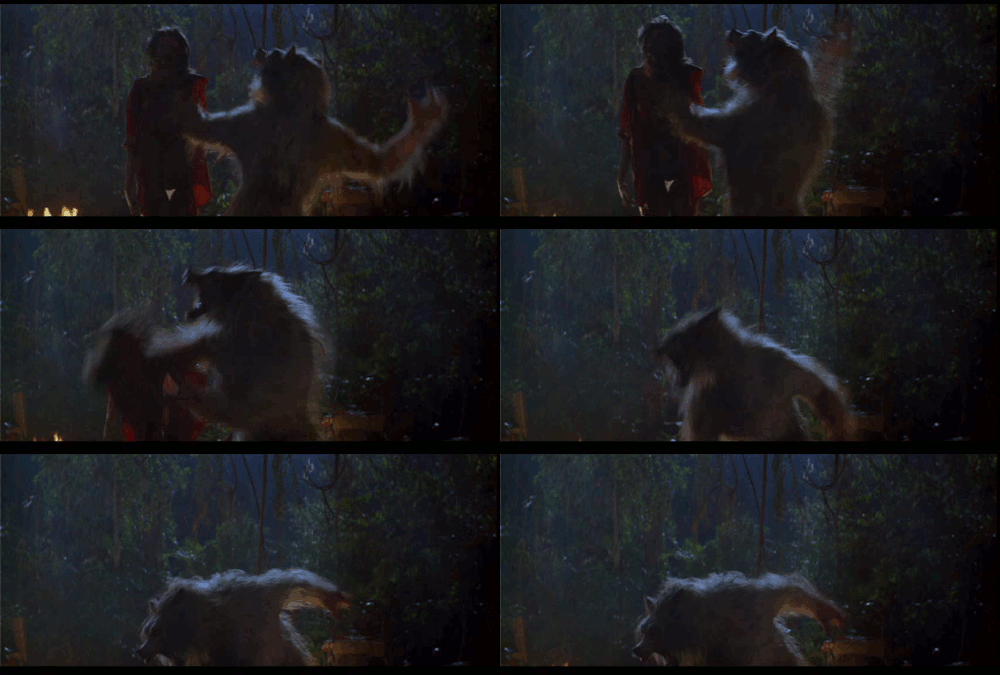
The bloody attack isn’t at all brief, boasts a lot of good latex wound work, and culminates in the beast having its head explode (again, all on-screen) from a gunshot. In a span of 4 minutes I went from dreading watching the rest of this probably softcore adult movie, to thinking it’s already awesome!
After the brutal loss of his girlfriend, Ted (Michael Paré; 100 Feet) was wounded by the wolf-like creature before dispatching the monster into a chunky mess. So now infected with lycanthropy, Ted stays with his sister Janet (Mariel Hemingway; Superman IV) out in the woods to lay low as the dead bodies of hikers pile up in the surrounding forest.
Unlike most werewolf movies, we know right away who the werewolf is, and little is left to subtlety. Ted’s camper has a microscope, vials of dark red fluids and occult trinkets beside a book entitled “Werewolf Lore.” Yup, the filmmakers were indeed that worried the audience wouldn’t be able to keep up. Were it not for the graphic, visceral gore and the extremely out of place, lengthy and graphic sex scene, you’d almost mistake this for a kids’ horror movie.
The werewolf special effects is a man in a suit with an animatronic head, and it looks pretty darn good! For whatever reason, it sounds like a creature from Jurassic Park (1993).

Not unlike Skinwalkers (2006), this has the look, feel, photography and scoring of a made-for-TV werewolf movie for the Hallmark Channel. But unlike Skinwalkers (2006), this had many redeeming scenes and I actually enjoyed this. Much of the photography seems amateur, but the gore and horror shots deliver every bit of entertainment we were looking for. Director Eric Red (100 Feet, Body Parts) did well by us.

The gore action isn’t super abundant, but when it’s there, it’s there! Mostly severed fingers dangle by fleshy strips from their hands, throats slash and spew blood, and flesh readily parts from its owner. And again, this werewolf monster suit looks great. After countless CGI werewolves, some better than others, it’s nice to see an old school tangible monster in the frame.
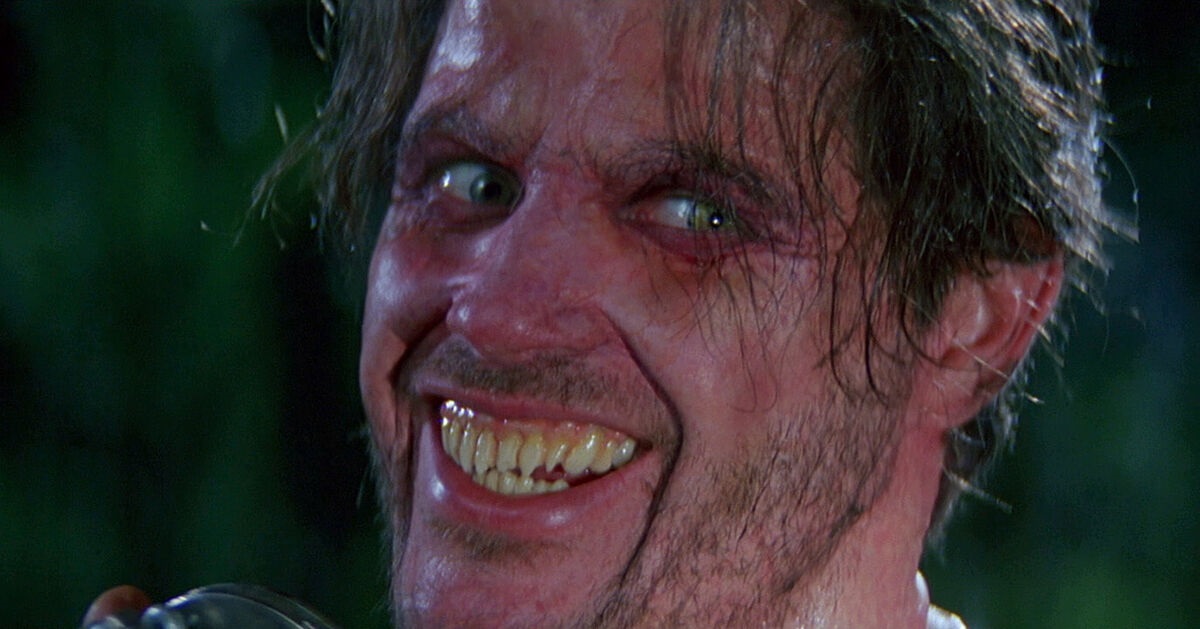
Other than the TV-ness, the major weakness of this movie is the transformation scene. It’s all cheap CGI (maybe the only CGI of the movie) and so bad they shouldn’t have even tried. This is perhaps the most woefully bad transformation scene I’ve endured. But for all the other perks of this movie, I completely forgive this misstep.
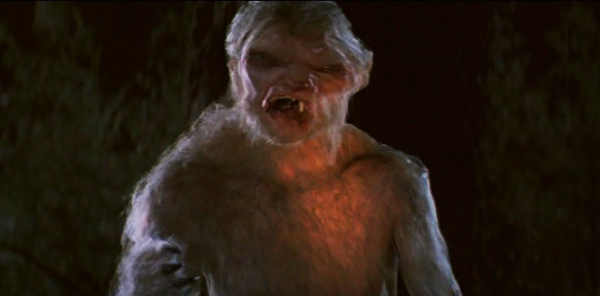
Far from great, but definitely satisfying to this old school werewolf movie fan, I enjoyed this as a light work-night viewing.
Share this post:

Nashville Film Festival – Luzzu (2021) – Review: Alex Camilleri Has Crafted a Fantastic Film That You Should Check Out

Quick thoughts – Grade – A – Directed, edited, and written by Alex Camilleri, Luzzu tells the story of a man forced to decide between making an meager living as a fisherman, who is always dealing with his constantly leaking Luzzu (a traditional wooden fishing boat that has been in his family for generations), or working as a low-level henchmen for a shady black market fishery.
A big thank you to the Nashville Film Festival for the screener.
What’s wonderful about Luzzu is that you can feel the sweat, and almost smell the fish guts that are stuck to the shirt of Jesmark (Jesmark Scicluna – very natural and watchable), a down on his luck fisherman who can’t support his family with the meager earnings he makes while working as an independent fisherman in Malta. At his core, Jesmark seems like a decent man, but his dedication to an antiquated lifestyle have left him scrambling for money, unable to feed his young child, and constantly annoyed at his in-laws, who pay his families bills behind his back. It’s a tough situation, does he continue his family’s trade as a fisherman in Malta, or does he start working on commercial trawlers that rampage the coastal areas, and take money out of the pockets of local fishermen?
Luzzu is a thrilling movie that makes you emotionally invested in wood boats, fishing lines, and cheap baby formula that gives infants gas. The majority of the credit goes to Alex Camilleri, who won national funding in Malta, and used his training at the Sundance and Film Independent labs to create a fantastic debut film. To prepare for the film, Camilleri, whose parents immigrated from Malta, spent two years there, where he researched the fishing industry and interviewed fishermen to nail down the world. Also, his experience as an editor shows how he can take everyday experiences such as selling fish, or repairing fishing lines, and make them feel exciting and vibrant. The film never feels precious, or overly manicured, and instead feels wildly authentic (bear in mind, I know nothing about fishing in Malta), and confident, as it focuses on a man having to grow up, and realize times are changing, as commercials business and black market ventures are making his life impossible to sustain.
The cinematography by Léo Lefèvre adds to the level of authenticity as there’s a fly on the wall aesthetic that constantly follows Jesmark around as he’s seemingly always late for something. The 1.85 :1 adds a nice widescreen feel to the movie, and the Arri Alexa Mini does a great job collecting natural light, and making the coastlines look romantic and worth fighting for.
To top everything off, the central performance from Scicluna is excellent, as he pulls off the struggle of always being one step behind. You believe how much he loves his son, who requires special dietary needs, and he clearly loves his wife, who is beginning to lose faith in him, and is tired of being the one who makes the money. Scicluna was hired two years before the movie started filming, and his experiences allowed Camilleri to finetune his script, and work around Scicluna’s strengths as an actor, and active fisherman, who looks comfortable on a boat, and knows the world inside out. It’s no surprise that his performance won him the World Cinema Dramatic Special Jury Award at the 2021 Sundance Film Festival.
If you’re looking for an excellent and authentic film that makes you feel like you are on the Luzzu with the characters, you should check out Luzzu.
Share this post:

The Movies, Films and Flix Podcast – Episode 390: Clue, Murder Mysteries, and Tim Curry
You can download or stream the pod on Apple Podcasts, Tune In, Podbean, or Spreaker (or wherever you listen to podcasts…..we’re almost everywhere).
If you get a chance please make sure to review, rate and share. You are awesome!
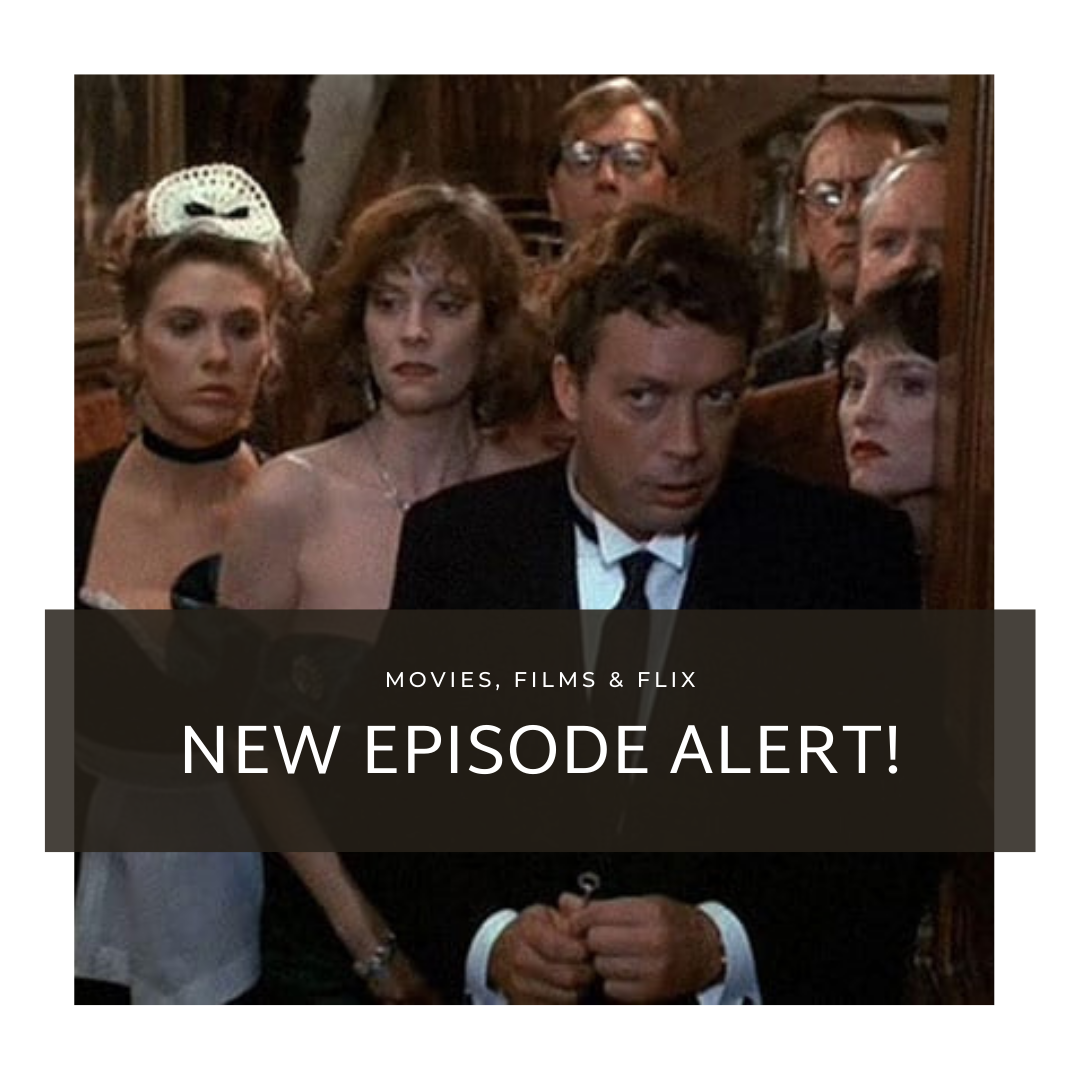
Mark and Norbert discuss the 1985 comedy Clue. Directed by Jonathan Lynn, and starring Tim Curry, Madeline Kahn, Christopher Llloyd, Colleen Camp, and Michael McKean, the movie focuses on what happens when strangers are brought together for a night of murder, mayhem, and heaving breaths. In this episode, they discuss cult classic comedies, dog poop, and 1985 cinema.
If you are a fan of the podcast, make sure to send in some random listener questions (we love random questions). We thank you for listening, and hope you enjoy the episode!
You can download the pod on Apple Podcasts, Tune In, Podbean, or Spreaker.
Share this post:

John’s Horror Corner: The Lair of the White Worm (1988), this Hugh Grant horror movie is way wackier and more exploitative than I remembered!

MY CALL: This preposterous, somewhat exploitative movie is highly enjoyable for its hokiness and ambition. So if you’re in the mood for Hugh Grant, a lot of ridiculous phallic imagery and a nudie snake-vampire woman, then this nonsense is for you! MORE MOVIES LIKE The Lair of the White Worm: For much more serious movies investigating the occult, try Angel Heart (1987) or Lord of Illusions (1995). Also consider The Serpent and the Rainbow (1988), which is rather less ridiculous (while still bonkers at times) and swaps an archaeologist for an anthropologist.

When an archaeologist (Peter Capaldi; House of 9, World War Z) unearths a strange skull in his landlord’s (Sammi Davis; Lionheart) back yard, locals from the nearby village begin to disappear as increasingly strange things transpire.

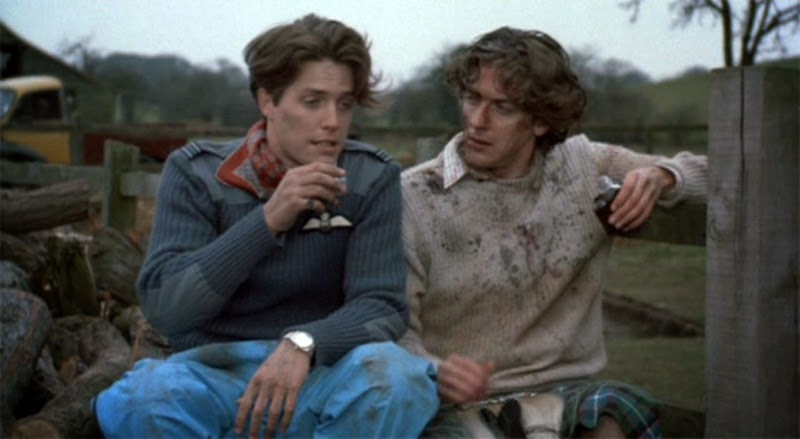
These country locals celebrate a “great white worm” of sorts in the form of festivities, thematic dragon-slaying song and dance, and tentacle-rich catering at the estate of the snooty Lord James D’Ampton (Hugh Grant; Extreme Measures). James takes an interest in the recent skull discovery, but not before Lady Sylvia steals it for herself.

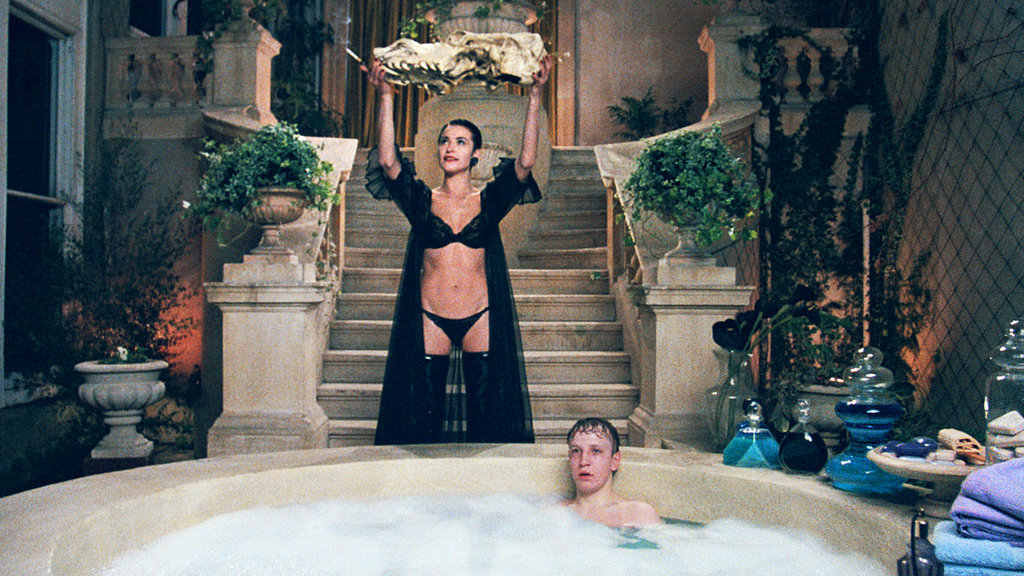
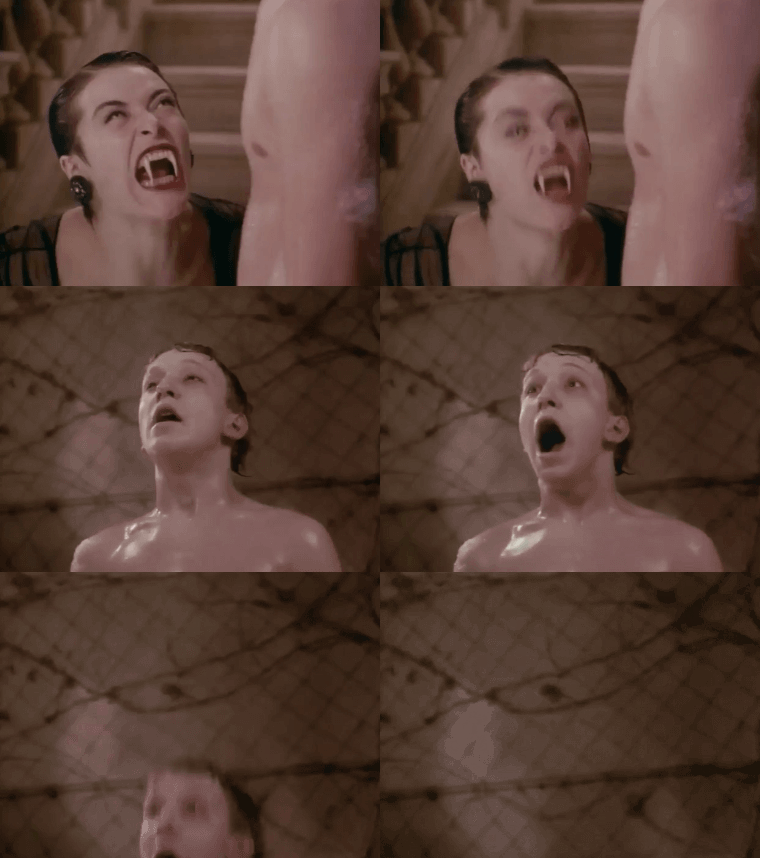
Lady Sylvia (Amanda Donohoe; Starship Troopers 3) is a suspicious oddity at every turn, whether happily sucking the venom from a fresh wound, baring her conspicuously long viper fangs while spitting poison at a crucifix, or hosting a hitchhiking British boyscout to a skimpy lingerie game of Shoots and Ladders (no, I’m still not kidding)… and then unfurls her fangs to bite his… well, you know. Yeah, it’s that kind of movie.
As with Altered States (1980), writer and director Ken Russell (Altered States, Gothic) adapts Bram Stoker’s story with strong, dramatic religious imagery. Seeing Jesus on the cross entangled and mauled by a great white serpent as Roman soldiers rape a cadre of nuns certainly sends a message! In fact, the scene is quite relentlessly exploitative. Subsequent scenes imply phallic imagery, spiked penises (no really, I’m not kidding) and spike-impaled nuns littered with much nudity and blood.


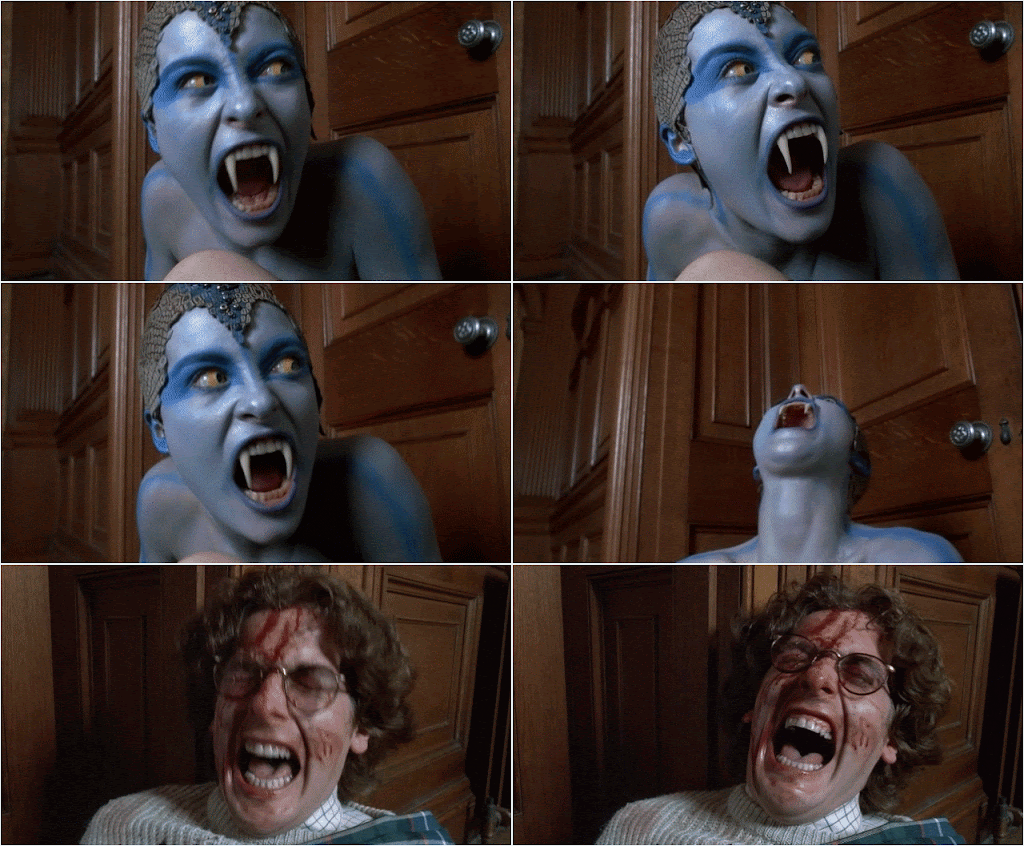
I’m not sure if it’s more accurate to call this a quirky British horror comedy, or just a zany B-movie with some powdered horror flavoring added. Bagpipes are used for snake-charming, a snake woman is chopped in half leaving both halves writhing independently, and Lady Sylvia eventually goes full on naked snake-vampire. Sylvia’s subterranean lair includes an exploitation movie feel as she struts around topless wearing some sort of “death dildo strap-on” (no, I’m still not kidding or exaggerating at all) and binds a woman like a scantily clad virgin sacrifice in her underwear. Don’t even get me started on the white worm monster which vaguely resembles a… ahem. This finale gets ridiculous.

Ultimately, this movie remains highly watchable and quite enjoyable for its hokiness. Like a slower-paced, somewhat toned-down Bloodsucking Pharaohs in Pittsburgh (1991), it’s preposterous and it knows it. So if you’re in the mood for Hugh Grant, a lot of ridiculous phallic imagery and a nudie snake-vampire woman… well, you know if this is your kind of movie!

Share this post:


Quick Thoughts – Grade – B+ – Closely based on the Todd Snider song “Just Like Old Times,” Hard Luck Love Song is a charming and authentic film that features a standout performance from Michael Dorman.
A big thank you to the Nashville Film Festival for the screener. You should definetly check out their lineup each year.
The first glimpse the audience is given of Jesse (Michael Dorman – perfect in the role) is of him bloody and beaten, but still raising his bloody knuckles to throw down with his offscreen assailants. This quick glimpse lets us know everything we need to know about Jesse. He isn’t afraid to fight, or take a beating, and after some terrible smashings, is still alive and kicking. It’s an interesting way to introduce the character, who when we see him next, is driving a beat up car, his arm is in a cast, and he arrives at a cheap motel (That will look familiar if you’ve seen Leon Bridges music video for “River”) that will be his residence for several wild days and nights.
Jesse is the kind of guy who randomly finds $100 bills on the sidewalk, then immediately buys some booze, and gives a wine bottle to a man on the street who had asked a pre-$100 Jesse for some change. At his core, he’s a kind soul, but he’s also a liar, who makes extra money by hustling people in pool halls, which undoubtedly leads to many black eyes. He buys his clothes at Goodwill-esque stores, and they fit him perfectly, and he somehow manages to escape deadly situations, without too many scratches. He’s like a cat with nine lives, who never learns a lesson after one of his lives is taken. Instead of leaving town after a narrow escape, he stays around, and tempts confrontations by not laying low. In other words, he’s a character from a popular song who’s been expertly translated into a believable movie character, who doesn’t “want to throw a fishing line in that old main stream.” Also, since it’s based on an Americana song about a troubled troubadour, expect Jesse to drink Lone Star beer, buy decent cocaine, spend time with his lost love, bloody his knuckles (again), quote Five Easy Pieces, and more drink cheap beer/whiskey/mezcal.
What also makes this movie work so well is that director/writer Justin Corsbie grew up in Austin, Texas, and seems totally comfortable inside of dive bars, cheap hotels, and pool halls so filled with smoke, it’s amazing anyone can make a shot. What’s neat is that he’s in no hurry to move on to the next location, and isn’t afraid to linger in dingy pool halls, where cinematographer Jas Shelton (Cyrus, Jeff, Who Lives at Home, Togetherness) delivers excellent one-shot takes that feature Jesse running the table on his unsuspecting victims. Corsbie and producer Allison R. Smith did a fine job of finding dingy Los Angeles based locations that the production designer and art department didn’t have to spend much time or money decorating.
Hard Luck Love Song is loaded with authentic-feeling performances from Sophia Bush, Dermont Mulroney, Eric Roberts, Brian Sacca, and RZA, who makes one of the my favorite movie introductions of 2021. It’s neat seeing Eric Roberts exude warmth, while Dermont Mulroney is a poolhall psycho who sports some serious gold teeth (it’s fun to watch). Bush is also excellent as Carla, a bartender, who has a history with Jesse, and knows he’s terrible, but is also charmed by his good looks and wild ways. You can tell all the actors enjoy their meaty roles, and have embraced playing characters who may or may not have been born in Mexican whorehouses.
The only negative about the film are the tonal changes that don’t feel totally organic. It would be a spoiler to discuss some of the characters, but know there are several personalities who stick out like a sore thumb, and feel like they’re coming from another movie. They are likable characters, but they shift the tone dramatically and are a little over the top.
It’s interesting that the movie is being marketed as a “romantic thriller,” which doesn’t seem totally correct, but makes sense to add some intrigue to it. When you watch it, just expect an authentic and laidback film that features an excellent lead performance from Michael Dorman.
Share this post:

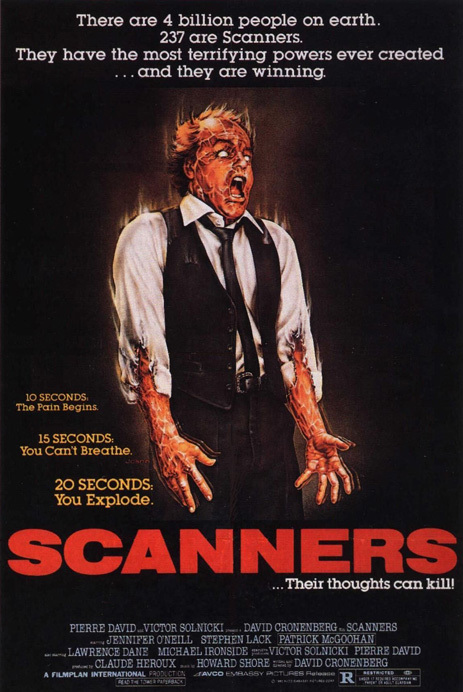
John’s Horror Corner: Scanners (1981), Cronenberg’s plotty approach to mean psychics and detonating heads.
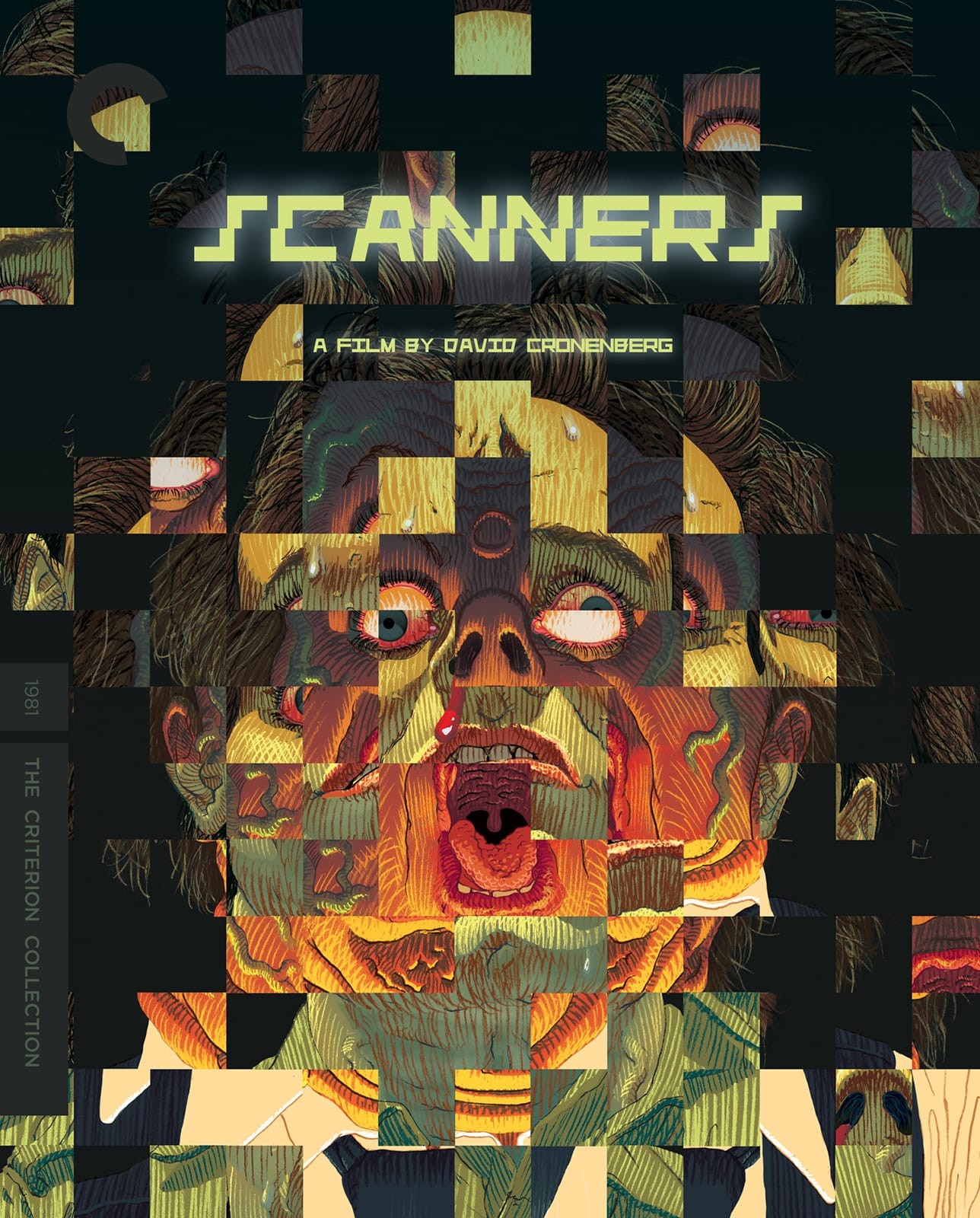
MY CALL: This film boils down to two truly epic, memorable, gory scenes bookending an otherwise unhorror-ish but more thriller-ish cops’n’crime shoot’em up style movie. Clearly a classic, and it deserves to be recognized as such, but today it just doesn’t entertain or shock or titillate like so many of Cronenberg’s other films of the era (e.g., The Fly, Videodrome, The Brood) still do today. MORE MOVIES LIKE The Brood: For more of Cronenberg’s social commentary on therapy and social engineering, consider The Brood (1979) or Videodrome (1983).
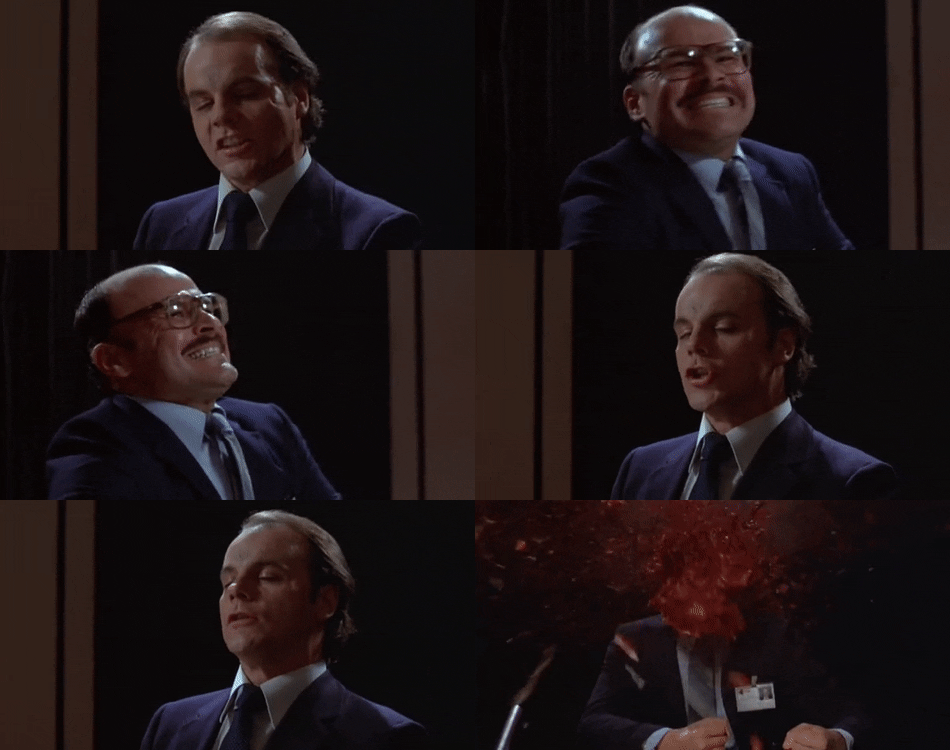
This film sets its dire tone very early when a man is “scanned” before a group of academics only to have his head explode into visceral chunks in one of the most famous on-screen head trauma death scenes of all time. The perpetrator of this cephalic party-popping is a dangerous rogue scanner named Darryl (Michael Ironside; Starship Troopers, Total Recall, Visiting Hours, Prom Night II, Watchers), the villain of our story.

Canadian director and writer David Cronenberg (The Fly, Rabid, Videodrome, The Brood) makes some serious statements about modern psychology and metaphysics in this 80s horror oddity. Scanners have psychic telepathic powers to read minds and control behavior. Such powers in the wrong hands pose significant threats to regular people. So to control these dangerous scanners, a drug called Ephemerol is developed to dull these psychics’ extrasensory powers, and thus keep their powers under control. It’s not unlike what we find in comic books and superhero movies when employing a mutant power-suppressing collar in Deadpool 2 (2018) or when exposing Superman to Kryptonite. Only here, it feels more a tool a social manipulation and suppression.
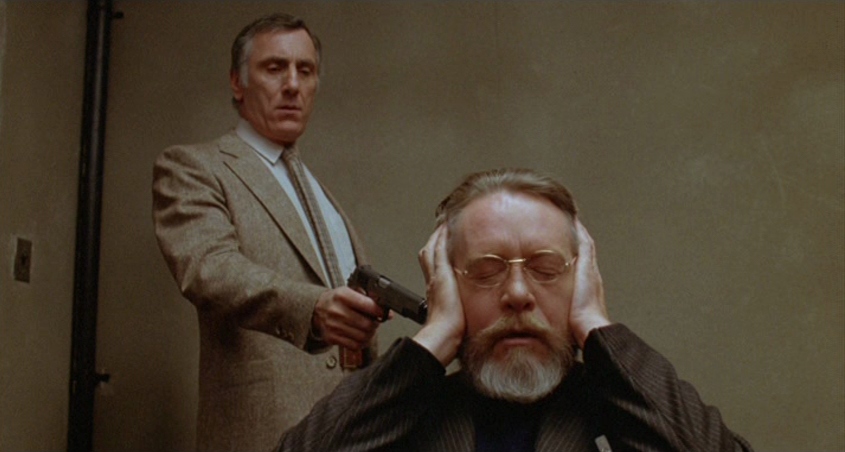
To infiltrate these rogue scanners, Dr. Ruth (Patrick McGoohan; Braveheart) recruits his own psychic Cameron (Stephen Lack; Dead Ringers) to track down Darryl and stop him. As he learns to harness his newfound abilities, Cameron acquires the help of fellow scanner Kim (Jennifer O’Neill) along the way.

Outside of the one epic exploding head death scene in the beginning, very little of visual interest transpires. This is all plot and very little gore, limited to frequent bloody gun violence. That is, until the finale psychic duel which brings a heavy dose of practical effects including blood-spurting pulsating veins, exploding eyes, incineration and the like while staring so hard you look like you just might crap yourself!


All told, the film doesn’t hold up phenomenally (mostly considering first-time viewers)… but that’s not to say it doesn’t hold up at all. I still enjoyed it, even if it felt quite slow when considering the rate of special effects delivery—basically the two epic bookended scenes. Clearly a classic, and deserving to be recognized as such, but today it just doesn’t entertain or shock or titillate like so many of Cronenberg’s other films of the era (e.g., The Fly, Videodrome, The Brood) still do today.
Share this post:

Nashville Film Festival – 7 Days (2021) – Review – A Charming Romantic Comedy From Director/Writer Roshan Sethi

Quick Thoughts – Grade – B – 7 Days is a charming Covid-19 rom-com that features likable performances from Geraldine Viswanathan and Karan Soni
Thank you to the Nashville Film Festival for the press credentials, which allowed me to watch some excellent films. More reviews to come!
Directed/written by Roshan Sethi (who created The Resident), and starring Geraldine Viswanathan (Blockers, Miracle Workers) and Karan Soni (Deadpool 1 & 2, Miracle Workers, Safety Not Guaranteed), who also co-wrote the screenplay, 7 Days tells the story of two polar opposites stuck together during the outbreak of the recent pandemic. Sethi and Soni wrote the screenplay in less than a week, put up their own money, and two months later, shot the film in eight coffee-filled days. The end result is a charming rom-com that showcases what happens when filmmakers need to create during a global pandemic. Also, it’s not surprising to see that the Duplass brothers produced the film, as Soni had worked with Mark Duplass on Safety Not Guaranteed, and the mostly single location film shares similar DNA to prior Duplass projects.
What’s neat about 7 Days is how it leans into rom-com tropes, and still manages to stand out from its peers. The film combines polar opposites, an illness, and people stuck in a single location (due to the pandemic), but it’s arranged-date plot, and the likable leads elevate the familiar elements. The movie revolves around an arranged date between Ravi (Soni) and Rita (Viswanathan), two twenty-somethings who are wildly different, and know almost immediately that they are on different wavelengths. The awkwardly filmed date, which happens near what seems to be a retention pond, is a thing of legend as Ravi accidentally buys hard lemonade instead of lemonade, and he fumbles his way through a heat-soaked lunch while Rita looks on humorously.
Things get more awkward when Ravi’s transportation is cancelled, and he has to wait several days to get a rental car that will drive him far away from Rita’s cluttered home that is loaded with beer bottles, ceramic horses, and an adorable and fluffy possum plush (I want one). While stuck together, Ravi, a vegetarian who doesn’t drink, and is comically uptight, eventually warms to Rita, who eats chicken wings, drinks loads of beer, and is seeing a married man who really doesn’t like it when she calls unexpectedly. It would be a shame to spoil the rest, just know that the rest of the movie features dancing, deep conversations, and believably dirty floors which are a credit to production designers Ashley and Megan Fenton (they also use duct tape creatively).
The cinematography by Jeremy Mackie (who was the Gaffer on Green Room!) becomes much more confident as the film progresses, and he finds ways to make Rita’s apartment look interesting during the 86-minute running time. Also, the dedication of the actors is impressive, as Viswanathan had to do her own makeup (in 100+ degree heat), and learn ludicrous amounts of dialogue during the eight day shoot. In the end, 7 Days is worth a watch because it’s an obvious work of passion, and it’s neat seeing Viswanathan and Soni headline their own rom-com.
Share this post:

The Many Saints of Newark (2021) – Review: A Solid Prequel That Features a Standout Performance From Alessandro Nivola

Quick Thoughts: – Grade – B – The Many Saints of Newark is a valuable addition to Sopranos lore, and despite copious fan service, tells a solid gangster tale. Creator David Chase should be applauded for creating a welcome addition to the world that doesn’t feel unnecessary.
Taking place from 1967, to the early 1970s, The Many Saints of Newark focuses on the rise of Richard “Dickie” Moltisanti (an excellent Alessandro Nivola), who audiences know as Tony Sopranos (played here by Michael Gandolfini) beloved “uncle” who Tony talks about a lot on The Sopranos. The New Jersey based film focuses on the tumultuous times that helped create Tony Soprano, as his dad Johnny Soprano (Jon Bernthal) goes to jail, his mom Livia Soprano (Vera Farmiga) is wildly depressed, and he’s surrounded by criminals who do nothing but act as terrible influences.
Directed by Sopranos-veteran Alan Taylor (who directed episodes of Lost, Game of Thrones, Mad Men, Boardwalk Empire, and Thor: The Dark World), who has a clear and obvious comfort with the material, The Many Saints of Newark plays like an extended episode of The Sopranos that features a lesser-combustible, but just as deadly lead character. What makes the film different from the show (aside from the change in decades), is the demeanor of Dickie Moltisanti, the mid-level mafioso, who runs the numbers racket in Newark. Dickie is 10,000 times more suave and calm(ish) than Tony Soprano, as he hides his violent temper behind tailored suits and a soft-spoken demeanor. He’s married to Joanne Maltisanti (Gabrielle Piazza), and his father “Hollywood Dick” (Ray Liotta) just brought home a young Italian wife Giuseppina (Michela De Rossi) who clearly doesn’t know she’s moving in with an abusive maniac. Toss in conflicted relationships with fellow criminal Harold McBrayer (Leslie Odom Jr.), and Junior Soprano (Corey Stoll), and you have a powder keg that eventually explodes.
What makes the movie work so well is Nivola’s performance as Dickie. Sure, the performances by Liotta, Odom Jr, and Farmiga (who is always good) are fine, but the movie doesn’t spend enough time with them to make them memorable. The impressive thing about Nivola is how he can be confident, self-conscious, kind, horrible, and deeply conflicted during one conversation. While James Gandolfini’s performance in The Sopranos will always be considered to be an all-time great due to his anger, panic attacks, warmth, and smolder. It’s nice to know that his fictional mentor is also as complicated and horrible. The two are totally different, but the way they lean towards violence and leadership compliment each other.
The production design by Bob Shaw (who was the production designer on The Sopranos) is wonderful, as he’s able to recreate the late 1960s without kitsch, and the cinematography by Kramer Morgenthau (Boardwalk Empire, Thor: The Dark World) is able to capture the feeling of The Sopranos, and also add some wonderfully framed shots that find beauty amongst chaos. It’s also nice that despite some gangster tropes (people rise and fall), the film doesn’t feel overly familiar as it bounces around between different characters who are either stealing furniture, eating pasta, or engaging in gunfights outside of nightclubs.
The biggest complaint about the movie is how it introduces crowd-favorite characters and gives them nothing to do. It’s fun seeing Corey Stoll, Billy Magnusen, and John Magaro play Junior, Paulie and Silvio, but they don’t add much aside from some silly moments involving blood spraying on their new coats, or their toupees flying into the wind.
Final Thoughts:The Many Saints of Newark is required viewing for Sopranos fans, and will most certainly entertain people who haven’t watched the popular HBO show yet.


 Movies, Films & Flix