Once Upon a Time in Harlem (2026) – Review
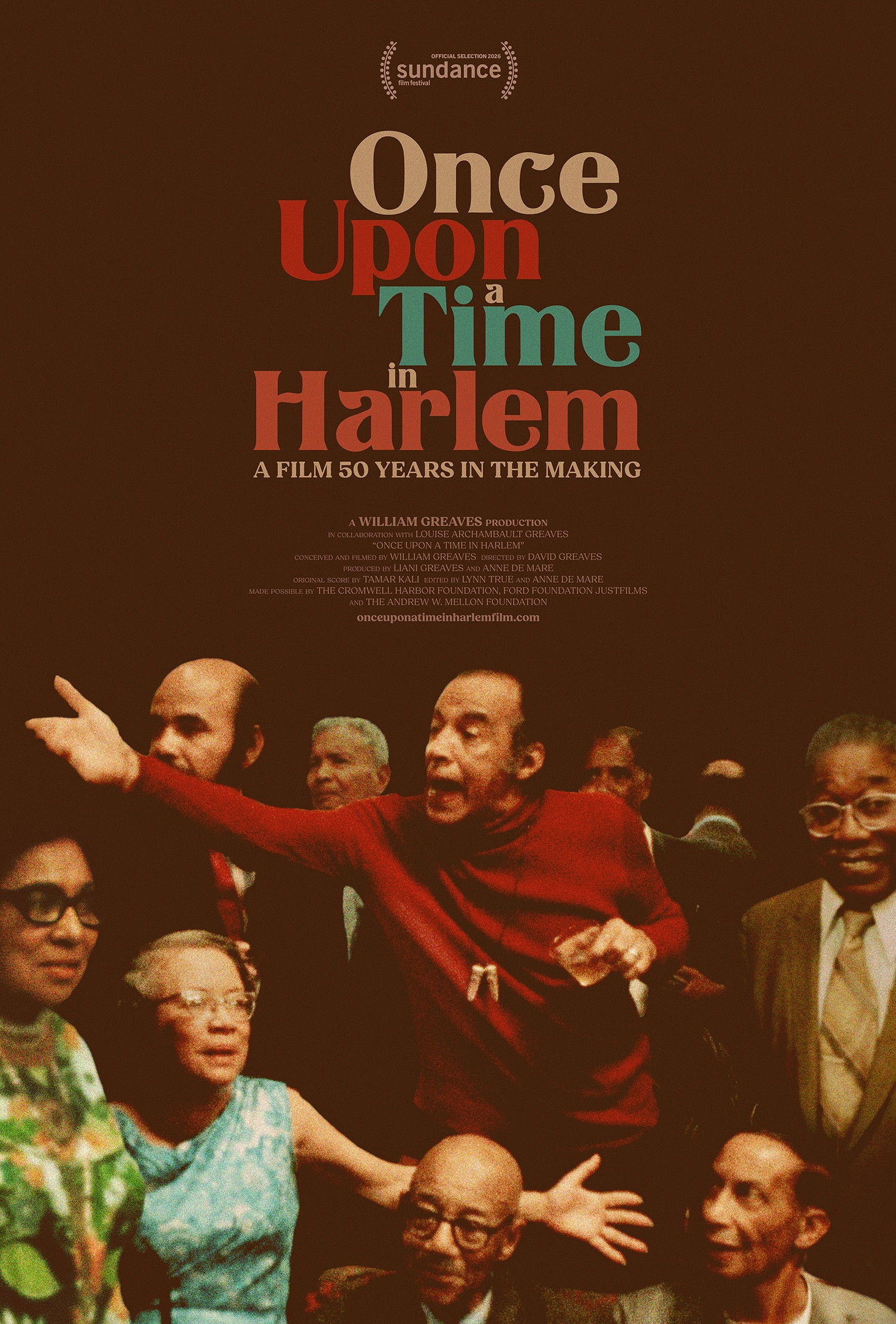
Quick Thoughts:
- It’s one of the best documentaries of the year.
- Once Upon a Time in Harlem introduced me to interesting and intelligent people whom I want to know more about.
- More than 50 years in the making, this doc feels like a perfectly preserved time capsule.
- William Greaves knew how to film a party.
- 5. The interview setups are gorgeous.
Directed and produced by William Greaves, who between 1953 and 2005 worked as a writer, director, cinematographer, or editor on more than 75 projects. Once Upon a Time in Harlem is an enlightening, educational look at the Harlem Renaissance (1918 to mid-1930s) and the people who made that time special.
In April 1972, Greaves sent a letter to Jean Blackwell-Hutson asking for her help coordinating a get-together for surviving Harlem Renaissance figures. He then hired four cameramen (including his son David) to film the four-hour cocktail party in a cinema-verite style at Duke Ellington’s home. The cameraman (and sound crew) move effortlessly through the party, capturing conversations and interactions, and eventually settle in a comfy room to record a group conversation amongst legendary figures like Leigh Whipper, James Van Der Zee, Aaron Douglas, Ida Mae Cullen, and Eube Blake. It’s all interesting, but the knowledge gained and the stories told about gangster/philanthropist Casper Holstein and the importance of libraries (and librarians) stand out.
The guests know they are being recorded, so there’s a bit of showmanship; however, as the cocktail party progresses, the guests get more comfortable and begin to converse, argue, debate, and share stories about the Harlem Renaissance. It’s a fascinating watch, and further proof that Greaves was an expert filmmaker who could create an atmosphere where dozens of luminaries felt comfortable enough to be themselves.
In the press notes, I learned William invited several partygoers to return the following day (wearing the same clothes) for interviews about their experiences. I originally wondered how he pulled aside so many people during the cocktail party, so it’s neat knowing the famous authors, poets, artists, librarians, actors, and musicians agreed to return.
Greaves tinkered with the footage for decades and couldn’t create a final cut before he passed in 2014. In 2022, Louise Greaves set about preserving the 60,000 feet of footage, and in 2026, the film premiered at Sundance and later screened at Cannes, where it received a “Golden Eye” nomination for best documentary. The result is a gorgeous documentary that took 54 years to see the light of day.
Final thoughts – Watch it. It’s wonderful.


