What Exactly is Authentic Bulgarian Miak? A (Mostly) Logical Explanation – By David Cross (check out his fantastic podcast – Award Wieners, in which he talks about Oscar-winning movies and matches them up with food).
“Ernest Scared Stupid”, inarguably the best children’s’ Halloween movie in existence (boo, “Hocus Pocus”) introduced the world to authentic Bulgarian miak, one of the most well-known foodstuffs in film history. This is a (mostly) logical explanation of the mysterious substance. Make sure to listen to the podcast episode we dedicated to this topic.
Is Authentic Bulgarian Miak Real?
Before we can explain what exactly miak is, we have to answer this question. We searched the Internet high and low for clues of its existence. With a heavy heart, we have to inform you that miak is not real. Take solace that your childhood was not ruined by this knowledge, only your adulthood.
Still, just because miak doesn’t exist in real life doesn’t mean we can’t make an educated guess as to what it is in the Ernest-verse. (Yes, with 8 movies there is an Ernest-verse.)
What is Authentic Bulgarian Miak?
This might shock you but according to our (mostly) logical examination of “Ernest Scared Stupid” and Bulgarian culture, miak is a yogurt-like substance.
Here is our exact definition:
Miak is a Bulgarian-style flavored yogurt sauce that is commonly eaten in the spring and served with a thin pancake.
This means that Ernest nearly beat Trantor by dumb luck. Talk about being on-brand.
To develop our definition, we created a list of assumptions that led us to our answer.
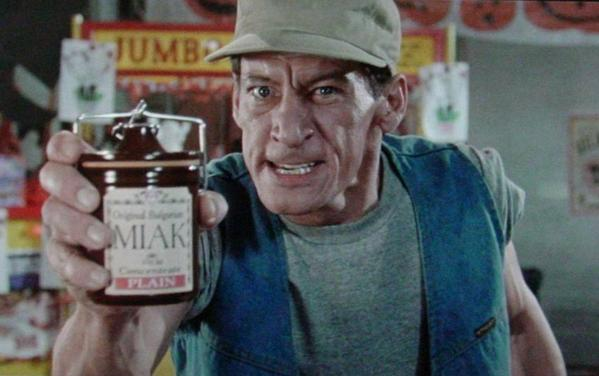
- Assumption: Miak is a seasonal product. Specifically, it’s a seasonal product that is difficult to find in autumn. This is implied when Ernest says: “I bet you didn’t think I could find any this time of year.”
- Assumption: Miak is enjoyed in the spring. This is the farthest season from autumn. We believe miak is similar to spiced apple cider. Yes, you can have it year-round but it’s primarily associated with autumn.
- Assumption: Miak contains some type of dehydrated substance, which is implied by the phrase “from concentrate” on the jar. The term “from concentrate” is normally associated with juices. But not exclusively. For example, condensed milk is an example of a concentrated dairy product.
- Assumption: Miak is a popular product, indicated by the word “original” on the jar. To us, this says that miak is popular enough that brands are fighting to differentiate themselves from each other. In the Ernest-verse, this might be the equivalent of Coke versus Pepsi. This has nothing to do with our analysis, but it’s worth adding to your head cannon.
- Assumption: Miak is probably a portmanteau of the words’ milk and yak. Again, this has nothing to do with explaining what miak actually is. We just thought it was funny.
- Assumption: Miak is easily throwable. By this, we mean that miak can be jettisoned from its container. We know this because Ernest was going to toss miak in Trantor’s face. The means miak is not a paste or paste-like.
- Assumption: Miak is viscus, probably gel-like. When Ernest drops the jar we don’t see a puff of powder. Neither do we see liquid slosh out.
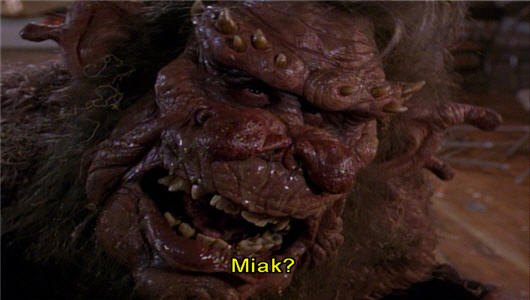
- Assumption: Miak comes in a variety of flavors. Otherwise, why would the label include the word “plain.” This isn’t that important.
- Assumption: The jar is stoneware. We believe this is vital to understanding miak. In researching jars, we learned that this particular stoneware is commonly referred to as a “cheese crock.” For the curious, they are about $10 on eBay.

- Assumption: Miak is a dairy product. This is because miak is viscous and the stoneware is meant to store diary. However, miak is not a pure dairy product otherwise it would have a familiar name. This means that it’s mixed with something unique, such as herbs, fruits, or vegetables.
- Assumption: Miak is yogurt-based. Did you know that Bulgaria prides itself on its yogurt? We didn’t.
- Assumption: Miak is sweet. Bulgarians already have a traditional savory yogurt sauce — podluchen sauce. There’s no need for a second savory yogurt sauce.
- Assumption: Miak ingredients include sweet paprika, honey, and spearmint, all of which are associated with traditional Bulgarian cuisine.
- Assumption: Miak is eaten with a main dish, as it’s a sauce.
- Assumption: Miak is eaten with Bulgarian pancakes, which are a staple of the country’s cuisine and similar to what Americans think of as crepes. We selected pancakes because we believe they go best with a sweet sauce. Furthermore, there is evidence through the various Ernest commercials (which may or may not be canon) that our denim-clad goofball likes pancakes. This assumption also helps explain where Ernest got the miak; he probably knew a guy who supplied the hard-to-come-by sauce for Ernest’s hardy breakfasts.
When all of these assumptions are taken together, it’s clear that miak is like Ernest—a little weird and a little sweet.
Share this post:

John’s Horror Corner: Child’s Play 3 (1991), Chucky goes to military school and breaks his Voodoo rules in this serviceable sequel.
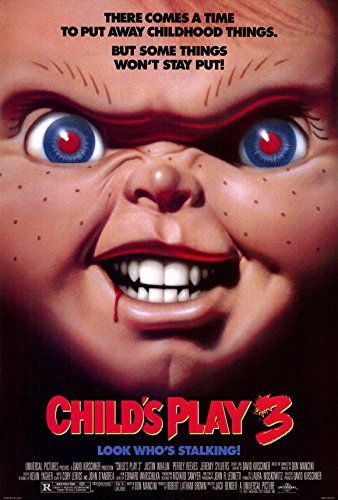
MY CALL: After the original Child’s Play (1988), these sequels definitely aren’t getting any better. Its victory is in continuing the story of Chucky’s pursuit of Andy without replaying itself, and it still manages a great opening and gruesomely memorable ending just like Child’s Play 2 (1990). MOVIES LIKE Child’s Play 3: The other Chucky movies most worth watching are Child’s Play (1988) and Child’s Play 2 (1990), and then I might skip all the way to Curse of Chucky (2013) and Cult of Chucky (2017)—not that I didn’t enjoy them all to some degree. There is also the excellent remake of Child’s Play (2019). Other quality evil doll films include The Boy (2016), Annabelle: Creation (2017), Dolly Dearest (1991), Dolls (1987) and Puppet Master (1989).
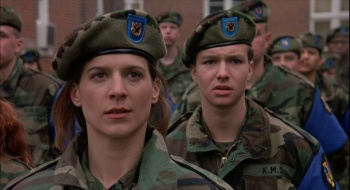

With Child’s Play (1988) and Child’s Play 2 (1990) occurring over a timeline of as little as one week, part 3 leaps eight years into the future where we find now teenage Andy (Justin Whalin; Serial Mom, Dungeons & Dragons) attending military school. And with Andy long in their past, the toy company men aim to resurrect their top selling item: the Good Guy!

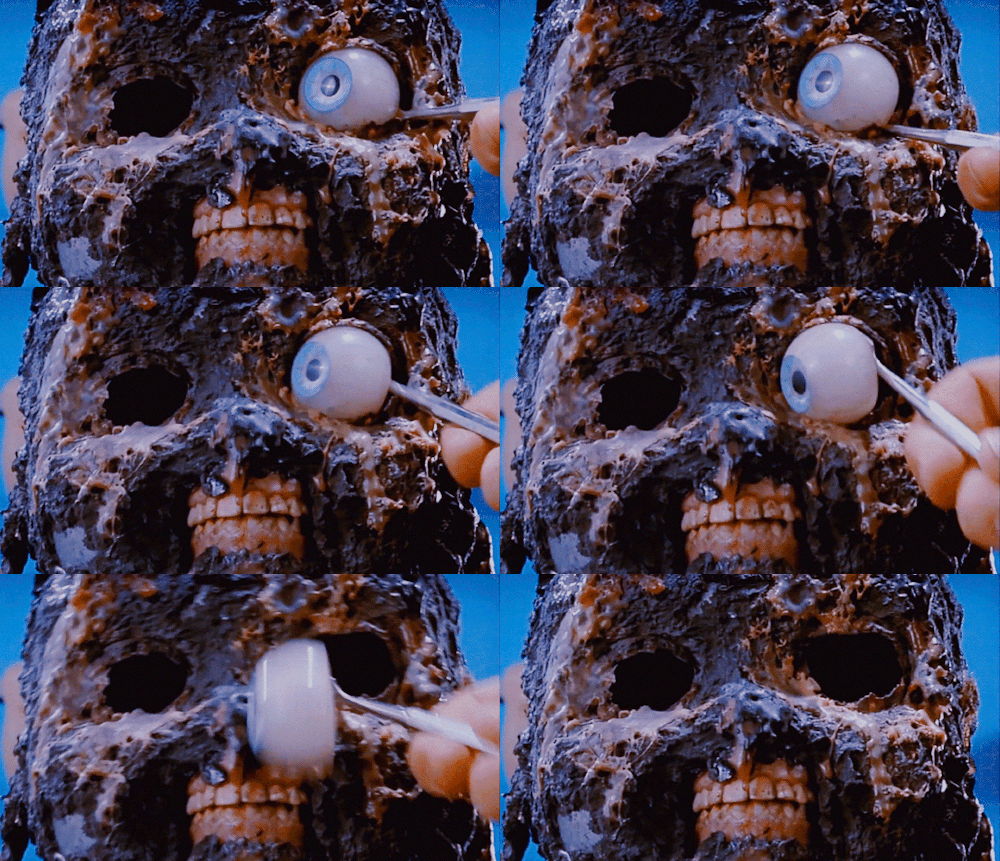
Say what you want about these sequels. But even if you hate them, I’d challenge anyone to claim they weren’t impressed by the opening sequences of these films. Our returning writer Don Mancini (Child’s Play and all sequels) clearly loves his creation, and it’s evident in his storytelling. Each of Chucky’s (Brad Dourif; The Hazing, Child’s Play, Child’s Play 2, Curse of Chucky, Cult of Chucky) murderous misadventures are completely different, and each new story begins where the previous ended to gorily illustrate how the soul of Charles Lee Ray transfigures from one charred or melted Good Guy corpse to the next. This time, reverse time lapse of a melting doll depicts Chucky being reformed (a la Hellraiser) to wreak havoc on this sequel.

Voodoo Discontinuity SIDEBAR: In Child’s Play (1988) the rules were clearly established. Chucky needed to transfer his soul to the first person with whom he shared the secret of his identity, and he had to do it soon because he was slowly becoming “more human” and would be trapped in the humanized doll body. In Child’s Play 2 (1990) Chucky actually attempts and fails this ritual, realizing he was already “too human” to transfer. Yet now in part 3, he starts looking for Andy and explains “I gotta’ get out of this [expletive deleted] body!” He actually identifies he has a new body and can now reveal his secret to someone else—but this revelation came after Chucky explained he had to get out of that body. So, I guess we’re just looking the other way on that fallacy and assuming, once again, that Chucky has a chance to escape his Good Guy fate. Rules as presented, he can now just keep “bleeding” into new doll bodies to possess and hit reset on his possession deadline.
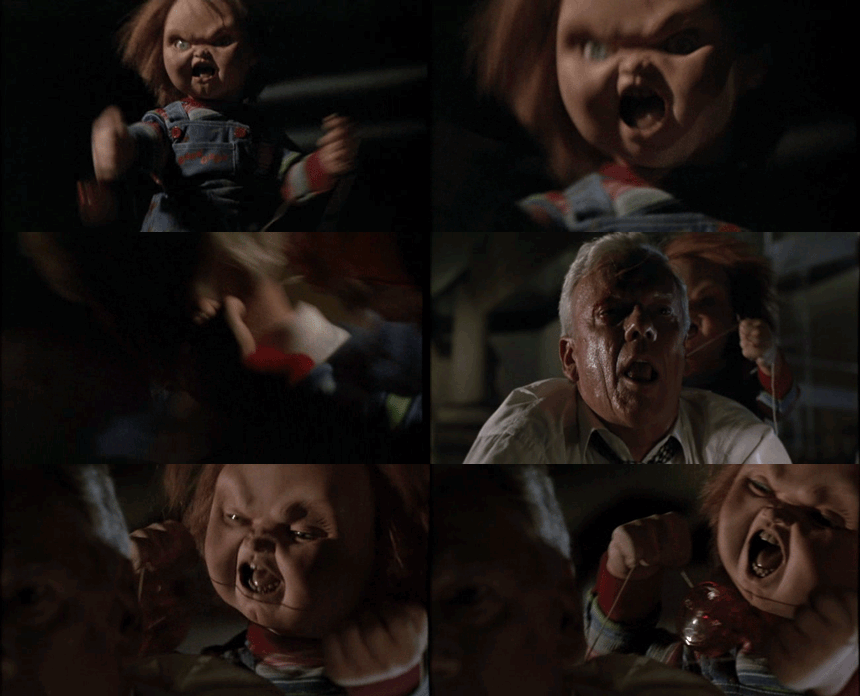
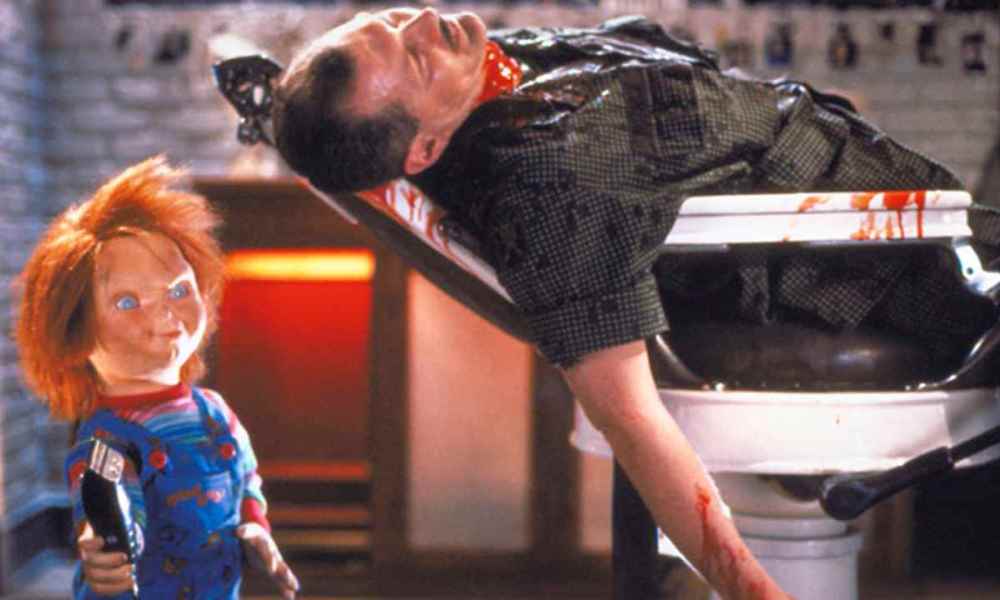
Much as was the case with Child’s Play 2 (1990), where this movie suffers most is the death scenes in the body of the film. Yes, the opening and finale sequences are great. But largely the death scenes are either basic and lacking impressive special effects (e.g., the yo-yo garrote strangulation death scene), or the kills are off-screen (e.g., the garbage truck trash compactor death scene). But I’ll give clever credit where it’s due. The heart attack death scene was a pleasant surprise of ironic humor and the barber (Andrew Robinson; Hellraiser, Pumpkinhead II, Trancers 3, The Puppet Masters) had the most memorable death—even if only for the line “presto, you’re dead.” But truth be told, the budget had little allocated to the deaths and everything allocated to Chucky himself (and he looks great even during an otherwise dull death scene), and his opening/closing special effects extravaganzas. Like when he gets eviscerated in that industrial fan.
Probably the lesser of the first three Child’s Play movies, getting less extraordinary with each release. But to rate this on its own merits, without comparison to its predecessors, I’d call it quite entertainingly serviceable. Great opening with a meh middle (slow pacing). Decent again at the end when the mutilated Chucky gore comes into play.

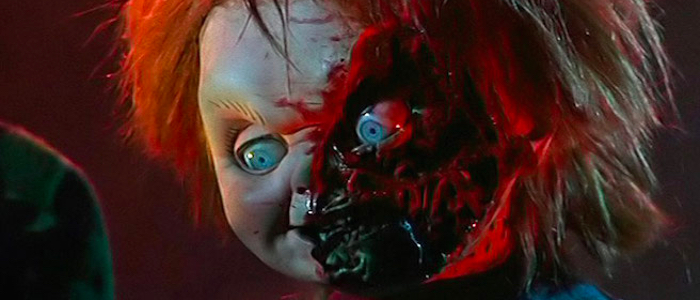
Director Jack Bender (Lost, Under the Dome) brought us a decent sequel. Chucky is a little like Leatherface (Texas Chainsaw Massacre) or Mick Taylor (Wolf Creek)—just plain mean and twisted and cruel. So if you want a mean popcorn horror flick, this is it! Like part 2, the death scenes are less impactful than part 1. Tact and restraint have been surrendered for Chucky’s one-liners.
Share this post:

John’s Horror Corner: Child’s Play 2 (1990), an inferior evil doll sequel that still manages to entertain, especially with its melty finale.
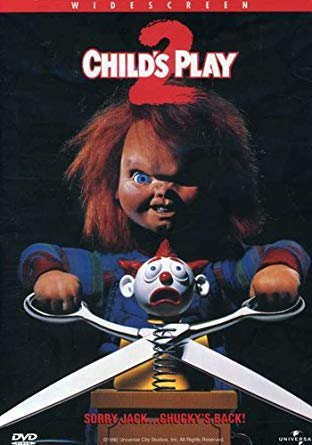
MY CALL: While distinctly inferior to Child’s Play (1988), this sequel remains perfectly entertaining when not directly compared to its predecessor. It does a good job continuing the story of Chucky’s pursuit of Andy with a new angle, and it still manages to deliver a great opening and a quite gruesomely memorable ending. MOVIES LIKE Child’s Play 2: The other Chucky movies most worth watching are Child’s Play (1988), and then I might skip all the way to Curse of Chucky (2013) and Cult of Chucky (2017)—not that I didn’t enjoy them all to some degree. There is also the excellent remake of Child’s Play (2019). Other quality evil doll films include The Boy (2016), Annabelle: Creation (2017), Dolly Dearest (1991), Dolls (1987) and Puppet Master (1989).
We begin immediately after the events of Child’s Play (1988). Like an autopsy of our possessed-doll killer (Charles Lee Ray), we observe the charred and largely-melted remains of our favorite evil Good Guy doll as it is skinned, stripped, gutted, buffed and refitted with all new plastic limbs and skin and face. Even new overalls and fresh batteries. Good as new!

With his mother in a psychiatric facility (after the events of part 1), Andy (Alex Vincent; Curse of Chucky, Cult of Chucky, Child’s Play) is placed in a foster home in the care of Joanne (Jenny Agutter; An American Werewolf in London, Dark Tower) and Phil (Gerrit Graham; TerrorVision, CHUD II, It’s Alive III, Chopping Mall).

But in no time, Chucky (Brad Dourif; The Hazing, Child’s Play, Dune, Curse of Chucky, Cult of Chucky) finds Andy and is back to his old routine of trying to Voodoo-shunt his soul into the little boy. For as we learned in part 1, Chucky needs a human host or he’ll be trapped in his doll form forever.

Inexperienced but capable director John Lafia (Man’s Best Friend) and writer Don Mancini (Child’s Play and all sequels) team up to make a perfectly serviceable horror flick. I enjoyed it—because it was fun (for a mean horror flick). But if we’re being honest, all the magic and dread of part 1 felt completely missed in the execution of this popcorn horror movie. The death scenes felt more generic and impactfully flat. Even Brad Dourif gives a lighter performance. Where were the growling screams, where was all the desperate snarling yelling? His lines didn’t help, but the character felt subdued compared to his unfettered introduction in 1988. Everything felt like an impotent attempt to be even meaner than before—and it fails at every turn. But despite that, Chucky is back and more cruel than ever.

Watch out for Greg Germann (Quarantine) suffering a “just plain mean” plastic bag asphyxiation death scene in the car, and the factory “eye installation” death scene. Deliciously gruesome and mean. But the cost is that all of the tact and restraint in Chucky’s execution are out the window. We know what he is and there’s no mystery left.

What’s most redeeming about this film is its bookends. The opening was an excellent way to reignite the sequel. And the finale takes place in the same origin: the Good Guy doll factory. Chucky tearing off his own hand and self-installing his wrist blade (a la Ash) might be the best part of the movie.
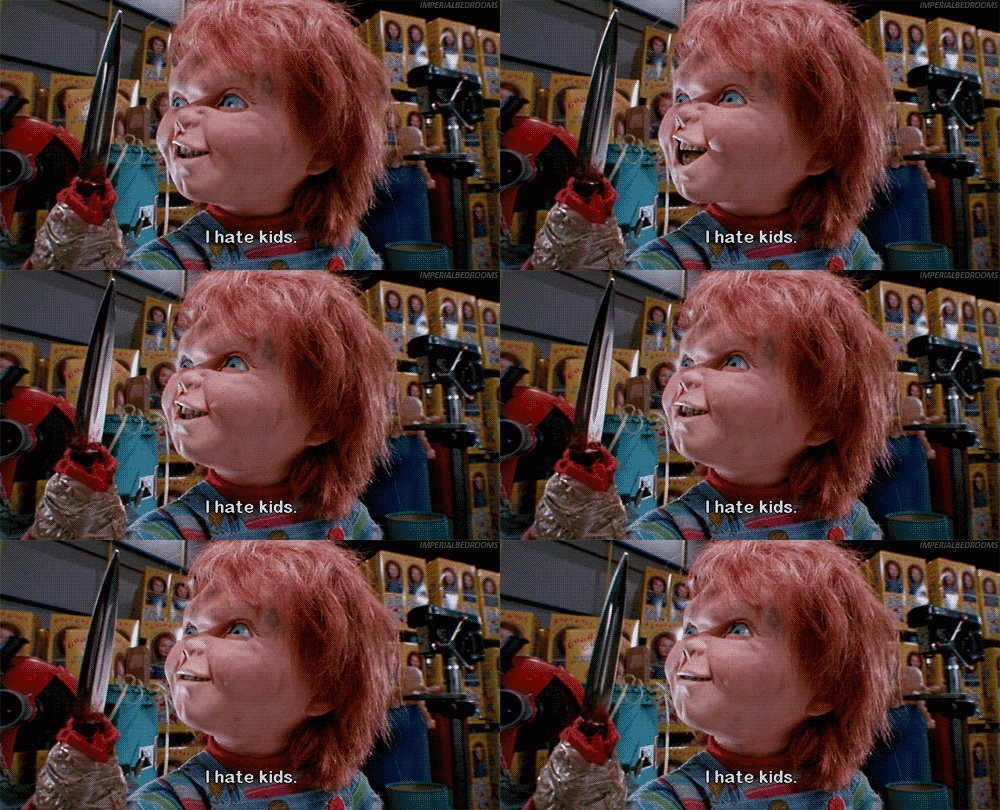
And when Chucky gets gooily melted in the factory and his head explodes into gory chum… it’s truly a glorious finish. Reminds me of a lower caliber execution of the dog scene in The Thing (1982) crossed with Big Trouble in Little China (1986) and The Fly II (1989). Funny how both movies end with burning or melting the poor fella’.
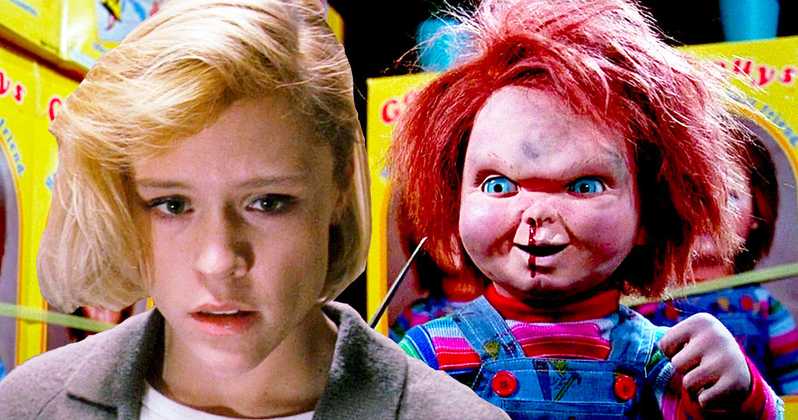
While distinctly inferior to Child’s Play (1988), this sequel remains perfectly entertaining when not directly compared to its predecessor. It does a good job continuing the story of Chucky’s pursuit of Andy with a new angle, and it still manages to deliver a great opening and quite gruesomely memorable ending. Consider it a good popcorn horror flick as long as you enjoy meaner-spirited horror.
Share this post:

John’s Horror Corner: The Final Destination (2009), the worst of the franchise, but still watchable as a standalone horror flick.

MY CALL: If Final Destination (2000) is a great horror film, Final Destination 2 (2003) is a great horror movie, and Final Destination 3 (2006) is just a fun “flick,” then this fourth film falls into the same territory as a Wrong Turn 3-6. Yeah, you’ll have fun watching the death scenes and gore and tropiness. But if you compare it to its source material (i.e., part 1), you’ll be bothered by the lack of substance. MORE MOVIES LIKE The Final Destination: All the Final Destination sequels: Final Destination (2000), Final Destination 2 (2003) and Final Destination 3 (2006). As well as the Saw films (2004-2017) if you’re up for much more brutal death scenes.
Franchise SIDEBAR: Final Destination (2000) ended strong with Alex (Devon Sawa; Idle Hands), Clear (Ali Larter; House on Haunted Hill, Resident Evil 3/4/6) and Carter (Kerr Smith; My Bloody Valentine) having beaten Death’s design and finally enjoying a drink in Paris… that is, until they realize they made one mistake (in Alex’s seat diagram analysis) as death takes Carter and the screen goes black! When Final Destination 2 (2003) opens, we learn that the survivors of Flight 180 all ultimately died mysterious deaths except for Clear, that all of the victims of FD2 were connected to the survivors of Flight 180, and that they had also evaded Death’s plan (during the events of FD1). FD2 ended with the revelation that Death’s cycle had not ended and that they were still on fate’s “to do” list, only to have Final Destination 3 (2006) completely ignore FD2 and instead serve as a second direct sequel to FD1. Unlike its predecessors, FD3 leaves no question that no survivors remain in Death’s wake. Those four who thought they “won” all coincidentally finding themselves on the ill-fated Train 180!
Past opening sequences of the franchise included a sudden change in plane cabin pressure, an unforgettable interstate traffic pile-up accident, and a rollercoaster malfunction. Attending a NASCAR-like racing event, Nick (Bobby Campo; Being Human, Séance: The Summoning), Lori (Shantel VanSanten), Hunt (Nick Zano; Joy Ride 2) and Janet (Haley Webb; Teen Wolf) escape a massive race car accident that kills numerous attendees in the stands.

Thanks to a harrowing premonition, Nick saves his friends from the disaster along with George (Mykelti Williamson; The Purge: Election Year, Species II), Samantha (Krista Allen; Feast, Alien Presence) and husband (Phil Austin), a mechanic (Andrew Fiscella; Vacancy, Prom Night, Quarantine) and a major jerk (Justin Welborn; Siren, Beyond the Gates, V/H/S Viral, The Bay).
The opening sequence struck me as a decent spectacle (for a standalone horror movie), but packing some of the weakest execution of the franchise. Loads of deaths occur on-screen, but they’re all so incredibly quick that if you blink you’ll miss whatever just happened and so much attention was placed on the 3-D visuals that on your TV at home things will appear a bit basic (relatively speaking). Flaming CGI cars and concrete fall and then victims basically disappear under them instantaneously as if an Acme safe was dropped on Wile E. Coyote.
Director David R. Ellis (Shark Night 3D, Final Destination 2) returns to the franchise with the least engagingly written characters yet. These may as well be the victim line-up from Wrong Turn 3-6 (2009-2014). And that’s totally fine in death scene-driven horror movies—I’m just accustomed to a higher bar from the previous Final Destination movies. But, to be fair, the characters have been less and less impressive with each subsequent sequel. I guess this was to be expected. But this was a big drop-off from FD3.
The problem is that this sequel makes no effort to bring its characters together or for us to care about them at all. We leave the opening sequence and then people just start dying. And like FD3, Nick has premonitions throughout the film and he simply understands how to deal with them—i.e., exactly how the characters learned to in parts 2-3 by working together (which doesn’t happen here). It’s kind of obnoxious; like it’s insulting the intelligence of FD franchise fans and stomping out our fairest of expectations. I never cared about a single character.
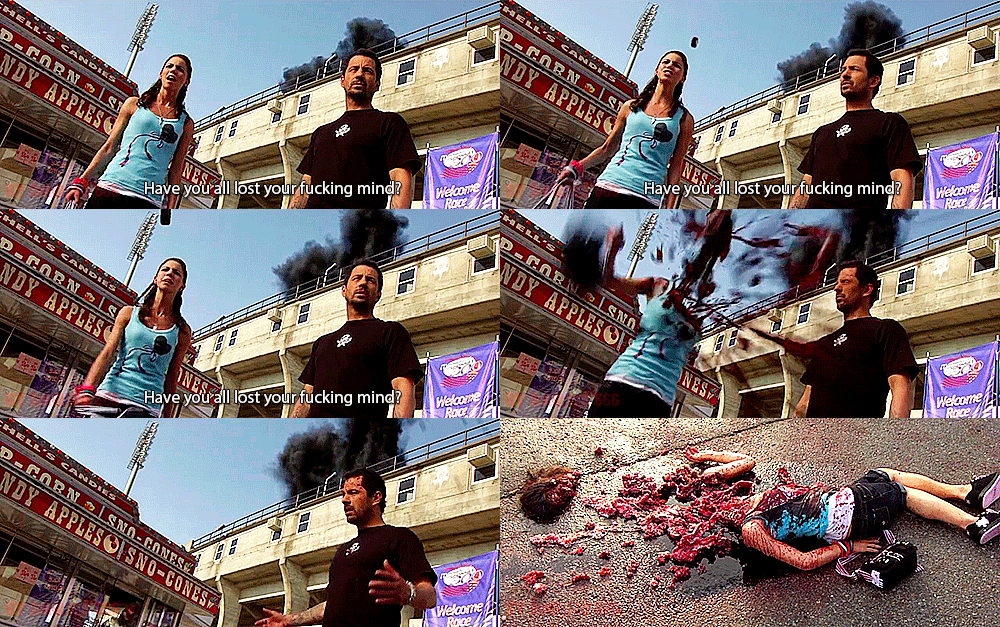
I wasn’t impressed with the opening death scene sequence, but the launched tire that eviscerated that woman’s head was awesome (even if momentary). And while the death sequences feel less thoughtful and elaborate in this sequel, there is something cathartic in seeing a mean racist lit on fire and being dragged behind his car down the street. There’s also a startlingly abrupt Terry-esque (i.e., FD1) car-splat death. But the best death of the movie was the escalator scene.

We’re definitely missing the magical tension from parts 1-2 (even part 3). But the most satisfying sequences would include the hair salon death scene, and I did enjoy seeing the mechanic get “cubed” despite the weak CGI. The car wash scene feels hokey but just goofy enough to entertain. And the pool drain death is dumb but mildly satisfying since the shallow frat guy (Hunt) got it the worst—anal disembowelment. Hunt deserved it. He’s in a sex scene that is somehow less classy than Friday the 13th (2009; with Trent). Everyone dies in the end as if they had never escaped death in the first place. Not a very satisfying ending, although I liked the X-Ray death-o-Vision.


This felt more like some random horror flick than a FD movie for reasons best explained in this excerpt from the Final Destination 3 (2006) review: “…the chain reactions that build to the deaths seem rather uninspired, uncreative and unelaborate compared to FD1-2—and those were the very things that cultivated dread or even excitement; you know, the things that made these movies work! We no longer have that same “thrill of the chase” as Death creeps closer. And that’s a shame. But again, to be fair, once Death is upon his victim, it’s fun to watch.”
If Final Destination (2000) is a great horror film, Final Destination 2 (2003) is a great horror movie, and Final Destination 3 (2006) is just a fun “flick,” then this fourth film falls into the same territory as a Wrong Turn 3-6. Yeah, you’ll have fun watching the death scenes and gore and tropiness. But if you compare it to its source material (i.e., part 1), you’ll be bothered by the lack of substance.

Share this post:

The Movies, Films and Flix Podcast #222: Wes Craven’s New Nightmare
You can download the pod on Apple Podcasts, Stitcher, Tune In, Podbean, or Spreaker.
If you get a chance please make sure to review, rate and share. You are awesome!

The MFF podcast is back, and this week we’re talking about the 1994 cult classic Wes Craven’s New Nightmare. This meta-horror film is the lowest grossing of The Nightmare on Elm Street series, but, it’s our second favorite Nightmare film because of how it made Freddy scary again, and attempted something truly different (it gets weird). In this episode, we discuss underworld water slides, leather pants and the logistics of setting up a fountain in a hellscape. Enjoy!
If you are a fan of the podcast make sure to send in some random listener questions so we can do our best to not answer them correctly. We thank you for listening and hope you enjoy the pod!
You can download the pod on Apple Podcasts, Stitcher, Tune In, Podbean,or Spreaker.
If you get a chance please make sure to review, rate and share. You are awesome!
Share this post:

John’s Horror Corner: Warlock 3: The End of Innocence (1999), the only disappointment of the franchise.

MY CALL: Just plain terrible and completely unworthy of following up parts 1-2. MORE MOVIES LIKE Warlock 3: Well, of course, Warlock (1989) and Warlock 2: The Armageddon (1993). Some other “part 3s” that are decidedly inferior to their predecessors include Wishmaster 3 (2001), Ghoulies Go to College (1991), Leprechaun 3 (1995) and Pumpkinhead 3 (2006).
The opening scene is really unimpressive. Set in 1673 New England, this origin feels much like the story other two movies—which both involved time-traveling warlocks.
SIDEBAR about Franchise Continuity: This movie completely ignored that the events of Warlock (1989) and Warlock 2: The Armageddon (1993) as if they never happened. By my observation, they are 100% unrelated. The first Warlock (1989) was sent to the future to assemble a book that would provide access to Earth for Satan. The “second” Warlock (who looked and behaved identically to the first) also came from another time. Moreover, the first Warlock sought the Grand Grimoire whereas the second fled crystal-toting druids. Or is this more like the Leprechaun franchise theory that each movie featured a completely different Leprechaun (despite being played with the same personality and by the same actor)? Perhaps, and if so, then there are numerous different prophecies which can bring Hell on Earth and for each prophecy a similar-looking warlock to expedite it. Seems farfetched, but it’s the best working theory I’ve got here.
If you weren’t sure how bad this would be, just wait past the lame 1673 scene until the opening credit sequence music. Then, you know it’s bad as the 90s electro-alt-grunge soundtrack kicks into gear. This movie’s title sounds like an adult movie, and the sets, writing and acting follow suit. I’m actually surprised there weren’t way more sex scenes.

When art student Kris (Ashley Laurence; Hellraiser 1-3/6, Lurking Fear, Cupid) learns she has inherited the contents of her ancestors’ manor, she ventures to collect family heirlooms with her boyfriend and college friends (incl. Rick Hearst; Brain Damage). Soon after their arrival, our warlock (Bruce Payne; The Keep, Necronomicon: Book of the Dead, Howling VI) arrives posing as an architect-historian and tries devastatingly hard to chew the scenery as well as Julian Sands (Warlock, Gothic). Bruce Payne looks the part. But none could match Julian Sands and the writing and budget for this sequel leave Payne drowning in bad video-era B-moviedom.
The tropes rain down hard. Kris’ car won’t start for no good reason at all, a mirror casts twisted evil reflections that don’t lead to anything at all, a child’s voice whispers through the halls of the abandoned house, and a weird harbinger lady warns Kris “believe me, you don’t want to go to that house… Death’s in that house!” Ooof!
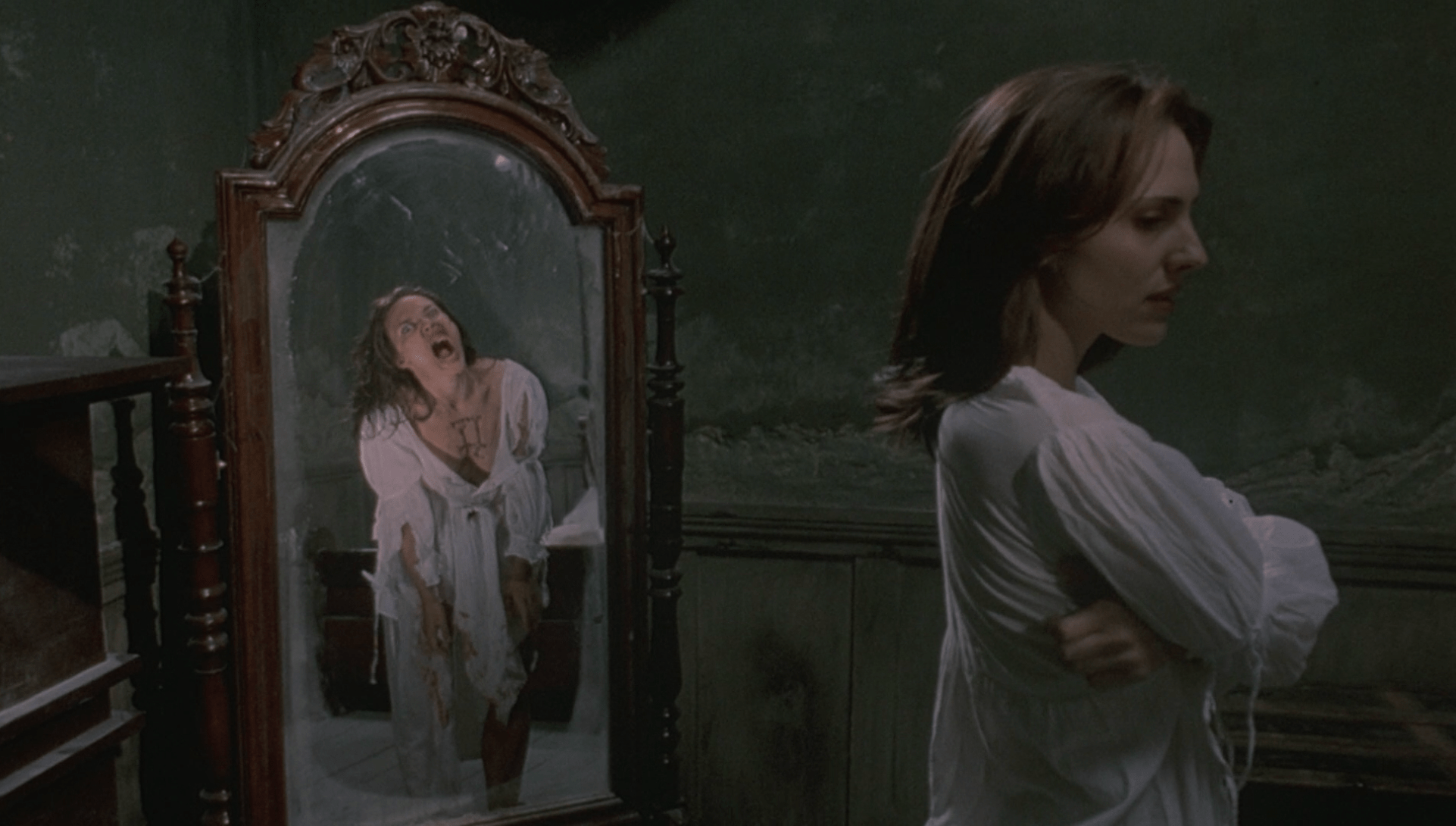
The first two Warlock films (especially part 1) were satisfying witch movies exploring different aspects of spellcraft, curses, the occult, mythology, rune stones, druids and visual magical displays. They had real protagonists, and really gory consequences to crossing paths with these diabolical spellcasters.

Overall, the depiction of magic here in part 3 offers little visual spectacle at all. There’s a gory (but brief) throat rip that could just as well be in a slasher film, a lame “shatter” death scene, some Hellraiser-ish imagery (with more BDSM and nudity than horror), and a lot of off-screen death. And little is more upsetting in horror than off-screen death!
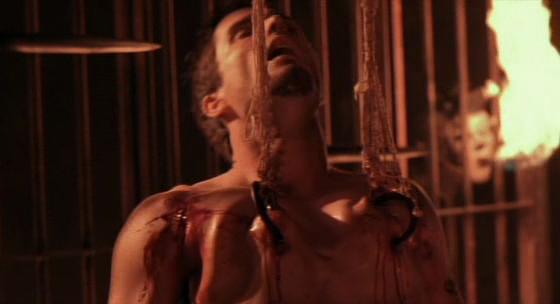
The sets are cheap, the effects are generally weak, the writing is awful, the acting is horrible. The finale confrontation is upsettingly bad. Like, I was angry (but still 10% gigglingly amused) yelling at the screen at the stupidity before me. Most B-movies entertain with hokey creature effects or cheap but abundant gore. Nope, none of that here. This is the bad movie so bad that its only redeeming factor is its laughability. I’m actually kind of surprised there wasn’t a subsequent sequel called Warlock 4: In Space to follow Pinhead, Jason and the Leprechaun.
Share this post:

John’s Horror Corner: Annabelle Comes Home (2019), an entertaining but middle-of-the-road contribution to The Conjuring Universe.

MY CALL: Overall a fun popcorn flick that falls somewhere between Annabelle (for which I didn’t really care) and Annabelle: Creation (which was loads of fun). I have criticisms, but not really any major complaints. My only disappointment rests in direct comparisons to The Conjuring (2013), The Conjuring 2 (2016) and Annabelle: Creation (2017). MORE MOVIES LIKE Annabelle: Creation: Well, The Conjuring (2013), Annabelle (2014; podcast discussion of Annabelle), The Conjuring 2 (2016; podcast discussion of The Conjuring 2) and Annabelle: Creation (2017; podcast discussion of Annabelle: Creation) round out the better side of The Conjuring Universe. Honestly, I’d just skip The Nun (2018) and The Curse of La Llorana (2019). For more evil doll movies one may venture Dead Silence (2007), Dolls (1987), Dolly Dearest (1981), Puppet Master 1-5 (1989-1994), The Boy (2016), Child’s Play (1988), Curse of Chucky (2013), Cult of Chucky (2017), Child’s Play (2019) and even Poltergeist (1982; that evil clown was twisted).

The Conjuring Universe SIDEBAR: The Conjuring (2013) was so outstanding that Annabelle (2014) couldn’t be expected to measure up. Worse yet, evil doll movies practically make themselves yet Annabelle was an absolutely incompetent horror film that should disappoint fans of the genre whether they were birthed in the era of serious slashers, classic Hammer releases, or campy 80s slapstick gore-fests. The only way Annabelle made it to the big screen was by riding the tidal wave of hype created by its connection to The Conjuring. Then along came The Conjuring 2 (2016), which was clearly made more for the fans than the critics as it focused more on being excitingly jump-scary than on plotiness. This introduced The Nun (i.e., the demon Valek) and gave a fine nod to Annabelle. Following suit, Annabelle: Creation (2017) offered a mysterious wink harbingering The Nun (2018) and then finished transitioning us directly into the opening scene of Annabelle (2014). There was also The Curse of La Llorana (2019), which only fit in the Wan-iverse by its forced inclusion of Father Perez (Tony Amendola; Annabelle). This sequel begins with Annabelle being recovered and brought safely to the Warrens’ home, as if following the events of Annabelle (2014).

With Ed (Patrick Wilson; The Conjuring 1-3, The Nun, In the Tall Grass) and Lorraine Warren (Vera Farmiga; The Conjuring 1-3, The Nun, Orphan) returning as main characters, this feels almost as much like The Conjuring 2.5 than an Annabelle film. And with how randomly tropey the supernatural entities and their actions have become, it measures a bit shy of being worthy of either. But hold on, I’m not saying it’s a bad movie—just not a great franchise installment.
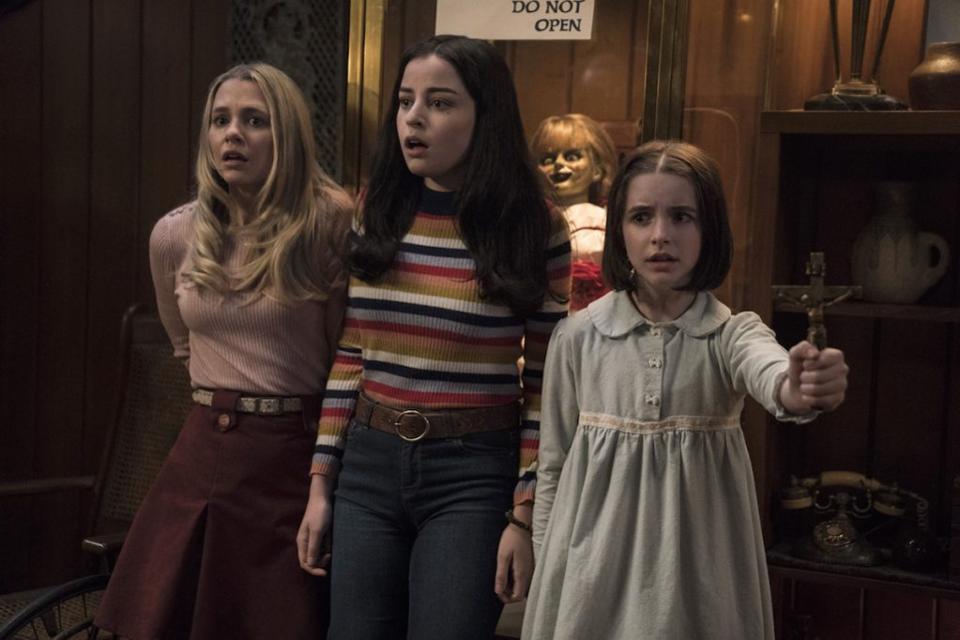
Babysitting for Ed and Lorraine’s daughter Judy (Mckenna Grace; The Bad Seed, Amityville: The Awakening), Mary Ellen (Madison Iseman; Tales of Halloween, Goosebumps 2) and her nosey friend Daniela (Katie Sarife) end up freeing Annabelle’s demon to unleash her evil influence on those unlucky enough to be nearby. At first it’s just a little startling. But eventually we get some good atmosphere and scares.

A wolfen beast attacks from the annoyingly thick and abundant mist, a murderous spectral bride terrifies the household, empty rocking chairs rock on their own, spirits pace out of focus in the background, evil animated shadows, oddly prophetic TVs, and then there’s the Ferryman… that dude is creepy! This Annabelle doll is, of course, also incredibly creepy. Influenced by a demon and serving as a beacon for lost spirits, Annabelle is a magnet of malady. Seeing her under the sheets of the bed (with you in it) was a joyous shock.

First-time director Gary Dauberman (writer; Annabelle: Creation, It, Swamp Thing) seems to have tried to capture the more varied and flavorful threats of The Conjuring 2 (2016). The demon Valek, the Cooked Man; both were well-storied additions to that 2016 sequel. Yet here our varied additions’ introductions held less gravity, and their subsequent sightings less impactful (beyond the excellent jump scares). But make no mistake. I may criticism, but this becomes a rollercoaster of dreadful frights and engaging jumps. It’s just that… remember when the shadowy silhouette of the dog transmuted into the Crooked Man? That will stick with me! Nothing really from this film will… although the blood vomit scene was certainly shocking even if brief.

Overall a fun popcorn flick. I have criticisms, but not really any major complaints. My only disappointment rests in comparisons to The Conjuring (2013), The Conjuring 2 (2016) and Annabelle: Creation (2017).
Share this post:

John’s Horror Corner: Necronomicon: Book of the Dead (1993), a Lovecraftian horror anthology loaded with disgusting gore and slimy tentacle monsters.

MY CALL: An awesome Lovecraftian anthology delivered by excellent directors and loaded with gruesome practical effects and monsters. This was a blast!
MORE HORROR ANTHOLOGIES: Dead of Night (1945), Black Sabbath (1963), Tales from the Crypt (1972), The Vault of Horror (1973), The Uncanny (1977), Creepshow (1982), Twilight Zone: The Movie (1983), Stephen King’s Cat’s Eye (1985), Deadtime Stories (1986), Creepshow 2 (1987), After Midnight (1989), Tales from the Darkside: The Movie (1990), Two Evil Eyes (1990), Grimm Prairie Tales (1990), The Willies (1990), Tales from the Crypt Season 1 (1989), Hellraiser: Bloodline (1996), Campfire Tales (1997), Dark Tales of Japan (2004), 3 Extremes (2004), Creepshow 3 (2006), Trick ‘r Treat (2007), Chillerama (2011), Little Deaths (2011), V/H/S (2012), The Theater Bizarre (2012), The ABCs of Death (2013), V/H/S 2 (2013), The Profane Exhibit (2013), The ABCs of Death 2 (2014), V/H/S Viral (2014), Southbound (2015), Tales of Halloween (2015), A Christmas Horror Story (2015), The ABCs of Death 2.5 (2016), Holidays (2016), Terrified (2017; aka Aterrados, which is a pseudo-anthology), Oats Studios, Vol. 1 (2017), Ghost Stories (2017), XX (2017), The Field Guide to Evil (2018) and the Shudder Creepshow series (2019).

Narrated by horror writer Howard P. Lovecraft (Jeffrey Combs; Would You Rather, The Frighteners, Lurking Fear, Cellar Dweller), the wraparound story The Library (director Brian Yuzna; Society, Faust, Bride of Re-Animator) takes Lovecraft to a library guarded by monks, where he finds the Book of the Dead and transcribes its dark tales. These stories serve as the three stories nested within this anthology.
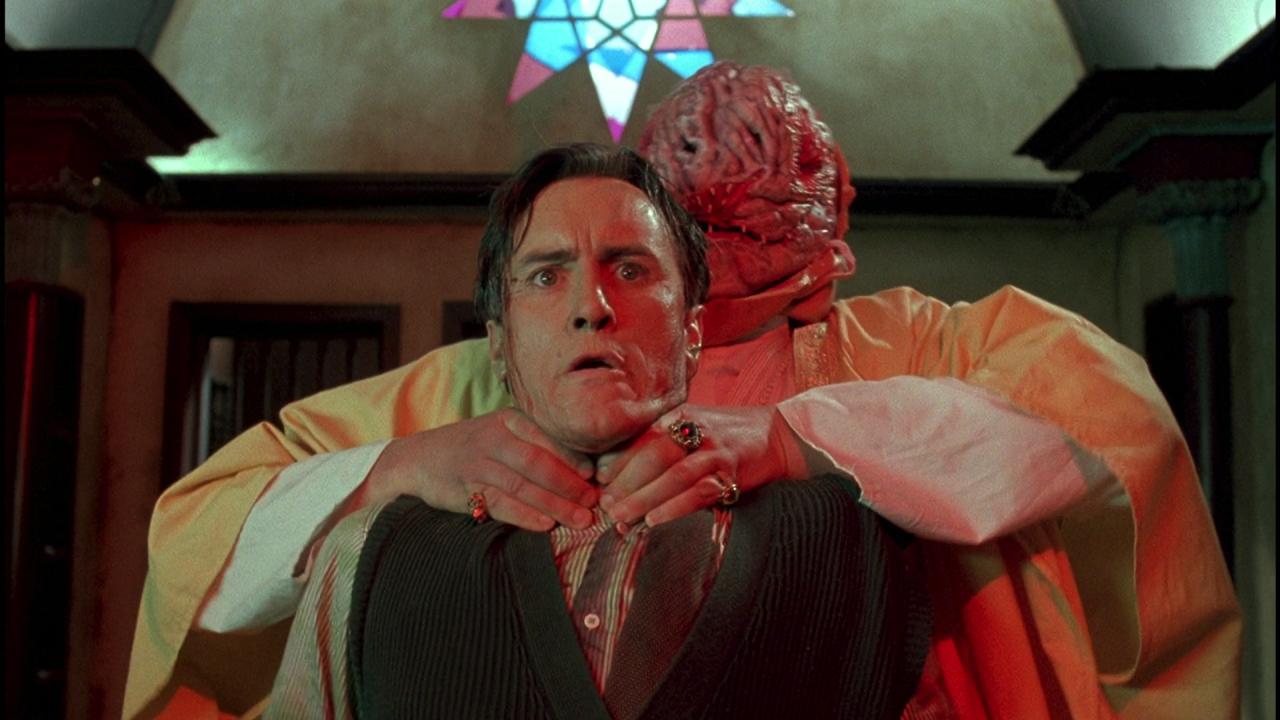
Oddly, despite the setting of The Library being in the 1930s, the stories in this anthology take place in more modern times. But let’s just look the other way since this was a pretty cool anthology horror movie.

Concepts include cursed resurrections, the cursed magic of the Book of the Dead, ancient monsters from the depths of the seas, defying death by unnatural means, and monsters of unknown origins…
The Drowned (director Christophe Gans; Brotherhood of the Wolf, Silent Hill)—A Swedish man (Bruce Payne; Dungeons & Dragons, Warlock III, Howling VI) inherits an aging hotel, empty for 60 years, beneath which is a network of marine caverns inhabited by ancient evils. He is haunted by his lost love (Maria Ford; The Haunting of Morella, The Unnamable II) and the history of his ancestors (Richard Lynch; The Sword and the Sorcerer, Puppet Master III, Bad Dreams) who came into possession of the Necronomicon by way of a monstrous ichthyoid creature (i.e., deep one, or Dagon himself).
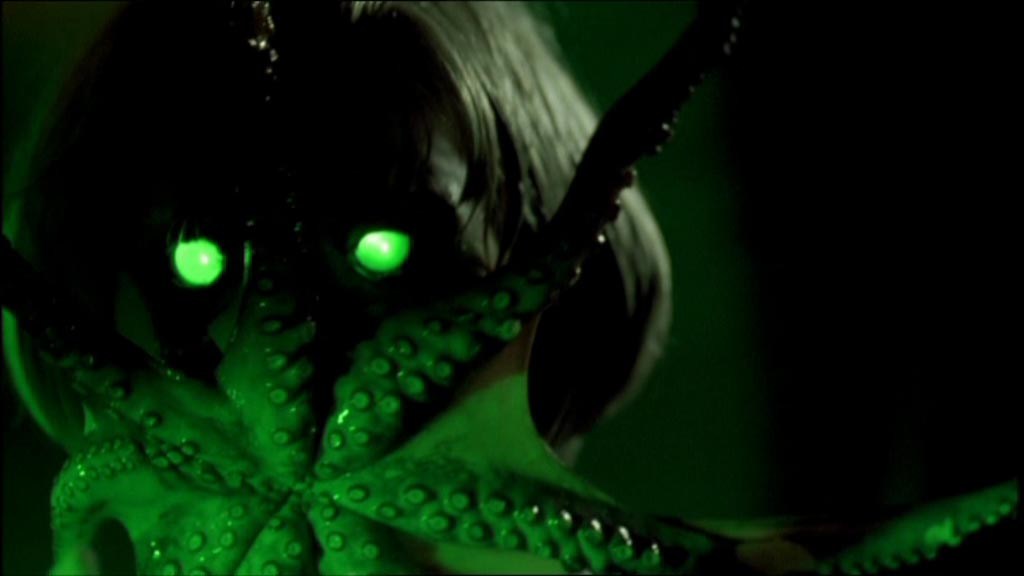

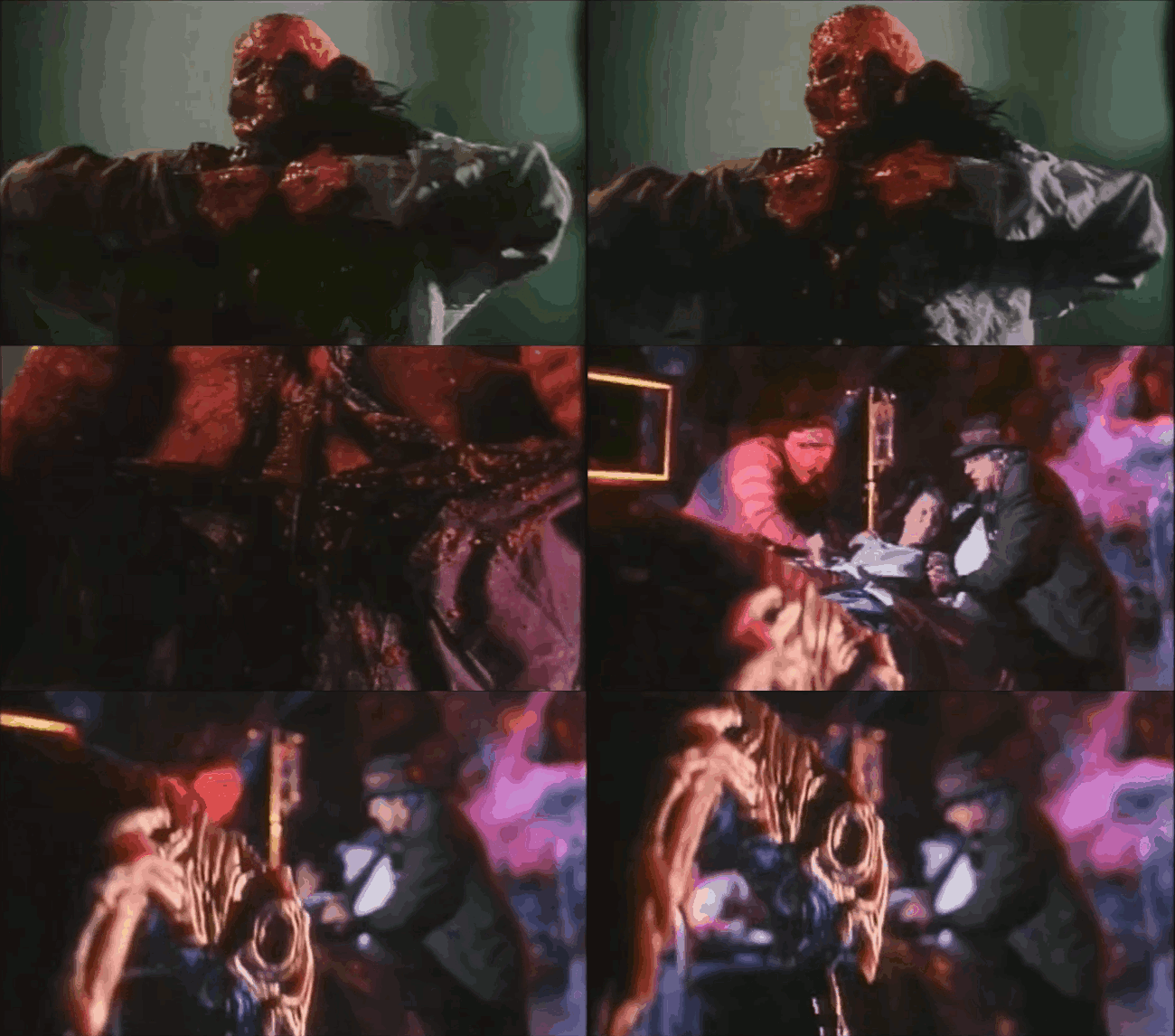
The Cold (director Shûsuke Kaneko; Death Note, Gamera 1-3)—A reporter (Dennis Christopher; It, Alien Predator) investigates a man’s death and encounters a woman afflicted by a strong aversion to heat and sunlight. The subject of investigation is an unaging Doctor (David Warner; The Company of Wolves, The Unnamable II, Ice Cream Man) with a really gross oozing skin problem and a dangerous need to “medicate” himself.
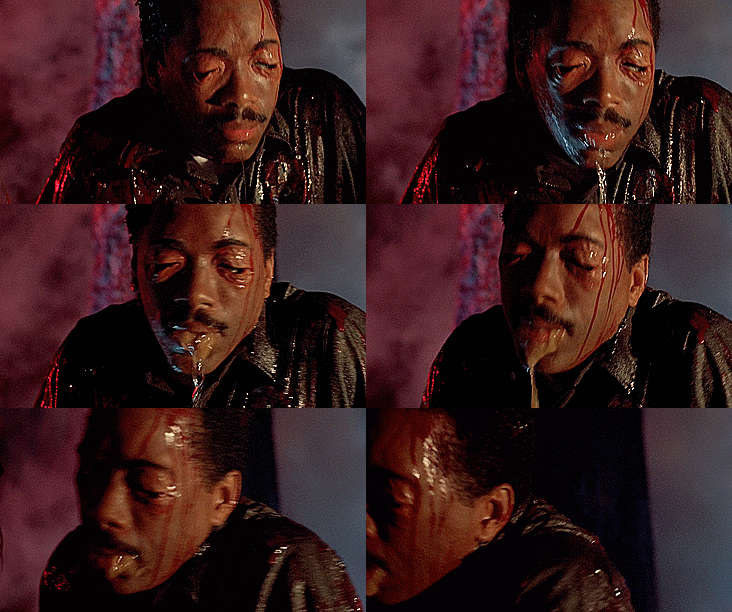
Whispers (director Brian Yuzna)—A police officer (Signy Coleman; The X-Files) and her partner (Obba Babatundé; Dead Again, The Eye) are hunting down a serial killer. But when her partner is killed and dragged into the cavernous underbelly of the city, her pursuit reveals that the killer is not of this world.
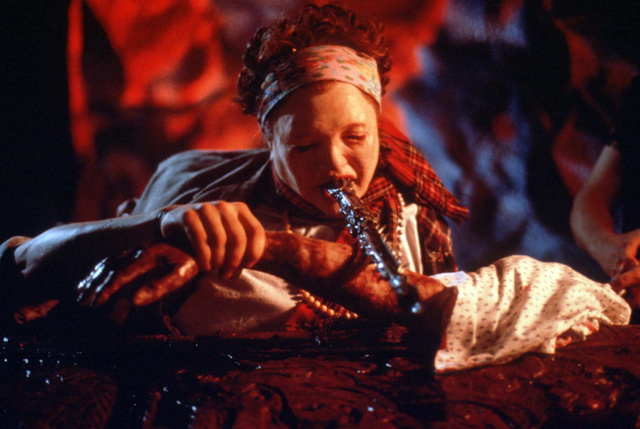
Considering the budget, many of the sets range are quite impressive (especially in The Library) and there is some gorgeous photography (The Drowned).
We enjoy a diversity of engaging special effects. Guts are regurgitated, tentacles emerge from mouths and from eyes and the floor itself, there’s a huge slimy tentacle monster, a spectacularly gross and chunky melting death scene, an offal pit of slippery bloody body parts, a gooey animated corpse with a gross hollowed out head, brain-bellied flesh-bat monsters, an awesome flesh-peeling face-rip, and all sorts of blood and gore. It’s really a blast for gorehounds and fans of old school practical effects.
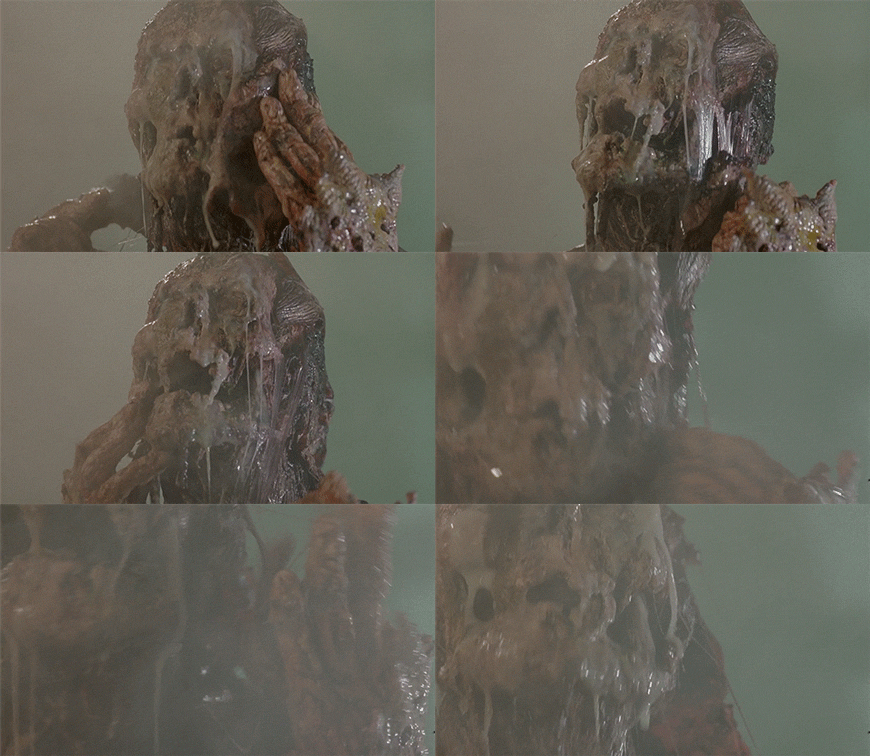
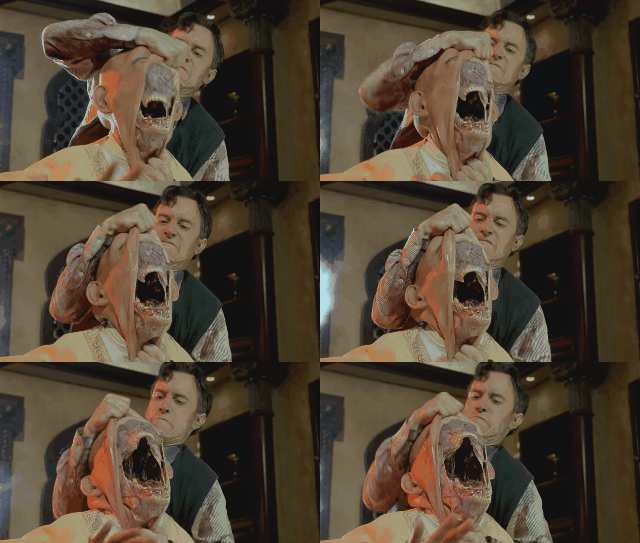
I was really impressed with this anthology. We enjoy a variety of Lovecraftian concepts and they’re delivered by excellent filmmakers.
MORE LOVECRAFTIAN HORROR MOVIES: For more Lovecraftian adaptations, try The Unnamable (1988), The Unnamable 2: The Statement of Randolph Carter (1992), The Resurrected (1991), Lurking Fear (1994), Dagon (2001), Dreams in the Witch-House (2005) and The Dunwich Horror (1970). And although not specifically of Lovecraftian origins, his influence is most palpable in From Beyond (1986), In the Mouth of Madness (1994), The Void (2016), The Shrine (2010) and Baskin (2015)—all of which are on the more gruesome side to varying degrees.

Share this post:

John’s Horror Corner: Midsommar (2019), Ari Aster’s emotionally heavy folk horror about a mysterious festival in Sweden.

MY CALL: Emotionally challenging, this was the bold follow-up to the already brazen Hereditary (2018). Great art and great filmmaking; but the film will leave you feeling hollow despite its punctuated shock and awe. MOVIES LIKE Midsommar: Of course, Hereditary (2018). Other slow-burn films about suppressed guilt and the family dynamics they affect include The Uninvited (2009), The Babadook (2014), Goodnight Mommy (2014) and The Witch (2016).

After the tragic loss of her parents and sister, Dani (Florence Pugh; The Falling, Malevolent) accompanies her boyfriend Christian (Jack Reynor; Free Fire) and his friends Mark (Will Poulter), Pelle (Vilhelm Blomgren) and Josh (William Jackson Harper; All Good Things, They Remain) to Sweden, where Pelle’s rural family-commune celebrates a traditional mid-summer festival.
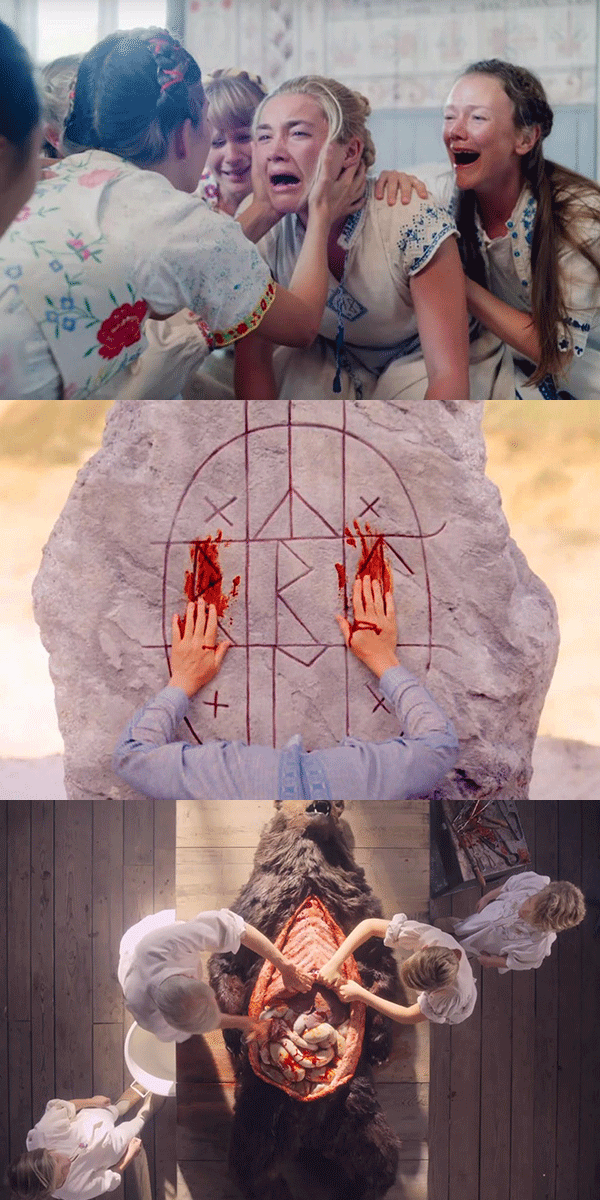
The dusky opening scenes of Winter are strikingly beautiful, if quietly morose. Then as quickly as we find ourselves in the pristine Swedish countryside, flush with Summer’s bright greens and ablare in white garbs, I feel a folk horror Wicker Man (1973, 2006) vibe settling. Have we learned nothing from The Ritual (2017)? Avoid the rural and wilds of Sweden! The supernatural fauna there basks in the emotional suffering of its victims. In fact, I expected the film to follow the path of The Ritual (2017) or The Shrine (2010). But it remains a bit more grounded.
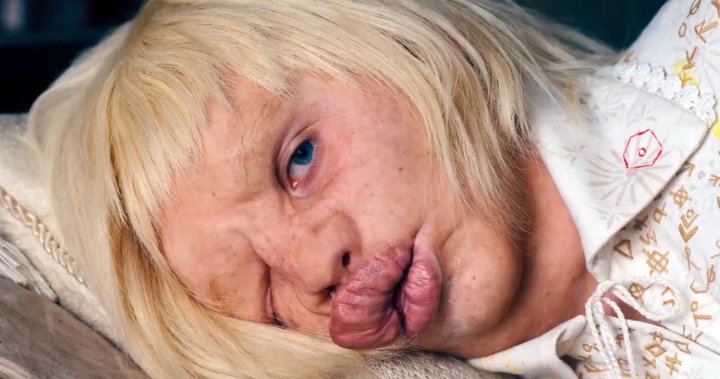
Writer and director Ari Aster (Hereditary) fearlessly breaks into his second feature film with yet again well-over two hours of emotionally soul-crushing running time. However, as powerfully as the film starts, I feel it wanders into less tactful, more distraught zaniness in its final act—much as did Hereditary (2018), but not to the same “supernatural” degree. And like Hereditary (2018), we find horrendously shocking head trauma. And, well, it’s more than just momentary. Wow… and graphic! Don’t even get me started on the holy crap leg break. For a film so slowly to moderately paced, it has more than its share of brutal imagery.
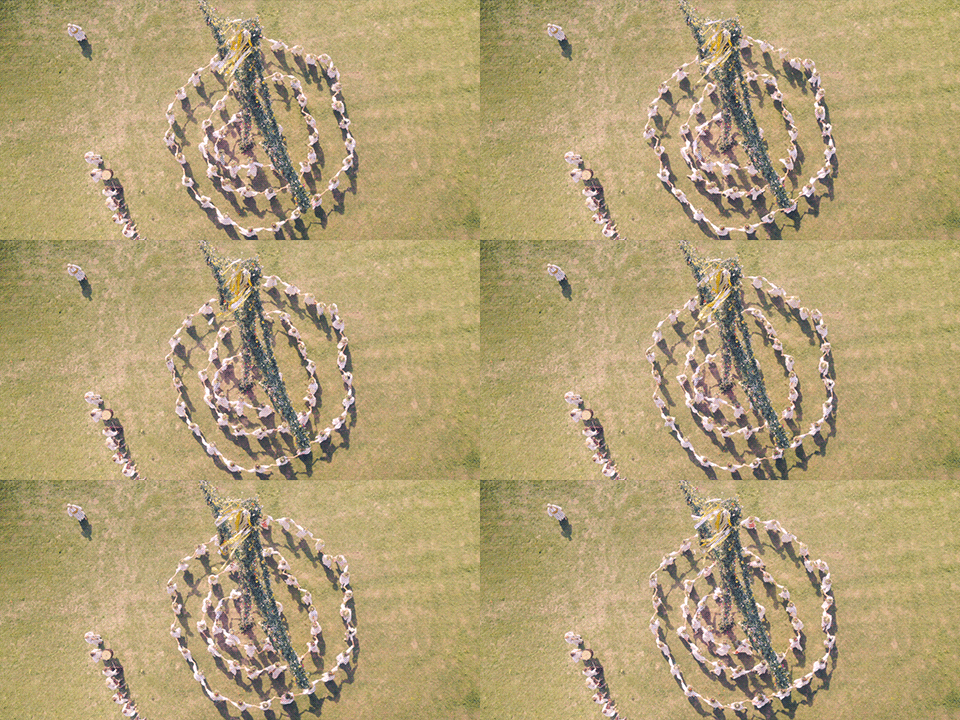
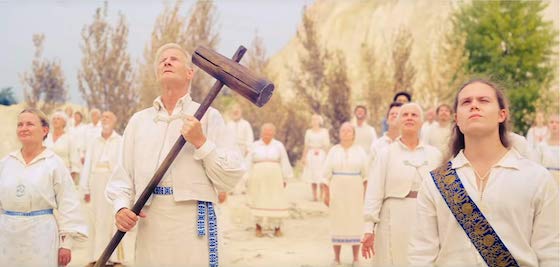
This film weirded me out so many times over. Withholding from loved ones, viciously passive aggressive resentment, psychological unrest… loss, grief, guilt—Aster is up to his old tricks again. And he’s great at playing this hand. We watch as (probably familiar) uncomfortable relationship dynamics unfold, and we feel every bit as uneasy as the characters… frequently. And speaking of uncomfortable, the term “Suspiria (2018) cult sex scene” comes to mind. Take from that what you will.

From a filmmaking perspective, this was the bold follow-up to the already brazen Hereditary (2018). But as beautiful a film it may be, I also feel this was the film Aster “dreamed to make” much more than the film his fans dreamed to see. Great art and great filmmaking; but the film will leave you feeling hollow despite its occasional shock and awe.
Share this post:

The Movies, Films and Flix Podcast #221: The House That Jack Built, Gross Wallets and Frozen Pizza
You can download the pod on Apple Podcasts, Stitcher, Tune In, Podbean, or Spreaker.
If you get a chance please make sure to review, rate and share. You are awesome!

The MFF podcast is back, and this week we were honored to talk The House That Jack Built with Jonny Numb (AKA Horror Review Master). Directed by Lars von Trier (Antichrist, Melancholia), The House That Jack Built is a gnarly descent into hell that features freezing corpses, skin wallets and the worst hunting trip ever. The movie never plays it safe (which was to be expected), and in this episode we discuss its violent tendencies, unreliable narrator and darkly comedic moments. Enjoy!
If you are a fan of the podcast make sure to send in some random listener questions so we can do our best to not answer them correctly. We thank you for listening and hope you enjoy the pod!
You can download the pod on Apple Podcasts, Stitcher, Tune In, Podbean,or Spreaker.
If you get a chance please make sure to review, rate and share. You are awesome!


 Movies, Films & Flix