Fast Five (2011), introducing The Rock’s sweaty muscles and the franchise’s biggest cast to Brazil.

With the release of The Fate of the Furious (2017), I felt the need to back up and appreciate that brought The Rock and high-caliber villains to the franchise…
MY CALL: Hands down my favorite of the franchise (of parts 1-5). This is the most fun, has the coolest plot and produces the most engaging antagonists. High octane testosterone fun for movie-goers who like high speed chases, sweaty biceps, explosions and brawling. MORE MOVIES LIKE Fast Five: Gone in 60 Seconds (2000) for one. Of course, there are also a lot of other Fast and Furious films. Personally, after the original (for the sake of historical franchise significance), I’d only recommend this fifth installment (for a second opinion check out Mark’s review of Fast Five), Fast and Furious 6 (2013) and Furious 7 (2015). However, Mark ranked the films quite differently than I did—Ranking Fast and Furious 1-6—and he’d suggest his favorite to be 2 Fast 2 Furious (2003). For yet more Fast and Furious opinions be sure to check out our Podcast on Corona, Belgian Beer, BBQ and the Fast and Furious films and Paul Walker’s 7 Best Fast and Furious Moments.
In this fifth installment in the Fast and Furious (2001-2017) franchise, we find our favorite characters in Brazil laying low from the American eyes of Johnny Law…but still jacking cars! Dominic Toretto (Vin Diesel; The Last Witch Hunter, Guardians of the Galaxy, Riddick) continues to choose bare biceps over sleeves, Brian (Paul Walker; Brick Mansions, Hours, Into the Blue) and Mia (Jordana Brewster; The Texas Chainsaw Massacre: The Beginning, Chuck, Dallas) are still an item and as close as ever, and director Justin Lin (Tokyo Drift, Fast and Furious, Fast and Furious 6, Star Trek Beyond)—who helmed parts 3-6 in this worldwide franchise sensation—has become more ambitious with stunts. God bless him for that! We have flipping shredded prison buses, high speed plasma-cutting train heists, rocket launchers, exploding poop-launching toilets, and high speed vault dragging!

The fight choreography is getting more interesting (with each sequel), everyone has become a better martial artist, the explosions are bigger and more frequent, and cars continue to function unphased after devastating landings and hits. The action has truly been turned up to an “11” in this sequel and, after the youthful thrill of the 2001 original (I saw when I was 20 years old), this is, by far, the most entertaining and my favorite of the franchise…so far.

This film is like high octane testosterone. There’s a lot of flexed-arm finger-pointing, flexed arm-crossing, very few shirts with sleeves, lots of yelling, lots of hard crazy-eyed stare downs, lots of large bald men in sweat-soaked overly snug shirts, and a lot of shiny biceps. It has a lot in common with The Expendables (2010-2014) movies in that respect, only much better.

From the moment Agent Hobbs (Dwayne Johnson; Pain and Gain, Ballers, G I Joe: Retaliation) busts on the scene every gym bro is reminded of why he’s their man-crush. He’s all business, he’s a straight up killing machine and…well, it’s The Rock! And whereas we meet Hobbs as an antagonist, we also have our “real villain” Reyes (Joaquim de Almeida; Desperado), a man of the people who spins anecdotes about why Portuguese is spoken in Brazil. He’s exactly the refined villain you like, hate, like to hate, and want to see taken down.

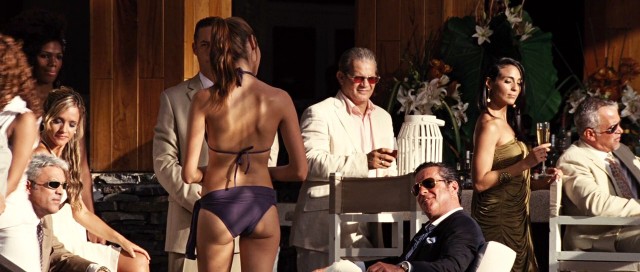
Whether it’s Ocean’s Eleven (2001) or Mission: Impossible (1996), ever notice how in every movie it’s always “one last job” and then they’ll retire, it’s always against the biggest baddest opponent they can find (like the crime lord who runs Rio), and they always need to “assemble a team?”
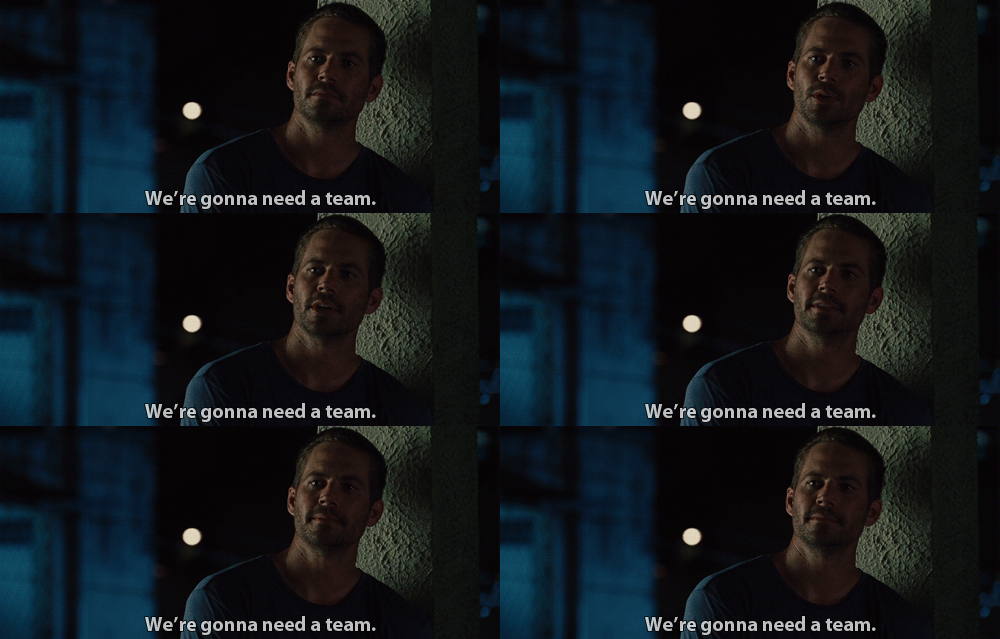
Well, a motley crew they do assemble. They have big engines, bigger biceps, big stakes ($100 million), and the biggest team cast in the franchise so far! They meet, greet, hug and smile as we see new friends and old friends reunite. After Brian, Mia and Dom, there’s the long and mysterious Gisele (Gal Gadot; Fast and Furious, Dawn of Justice: Batman vs Superman, Wonder Woman), the calm and cool Han (Sung Kang; Tokyo Drift, Fast and Furious, Ninja Assassin, Bullet to the Head), mouth-running Roman (Tyrese Gibson; Legion, Transformers 1-3, 2 Fast 2 Furious), tech whiz Tej (Chris Ludacris Bridges; Crash, Hustle and Flow, Gamer, 2 Fast 2 Furious, and rap performing artist), Santos (Don Omar; Fast and Furious, and performer responsible for Danza Kuduro) and Leo (Tego Calderon; Fast and Furious, Illegal Tender, and rap performing artist). Maybe some of you thought Roman and Tej were funny characters, but Leo and Santos are show-stealing hilarious. Nine in total, and complemented by Hobbs and Reyes. That’s 11 stars in a “part 5” movie!

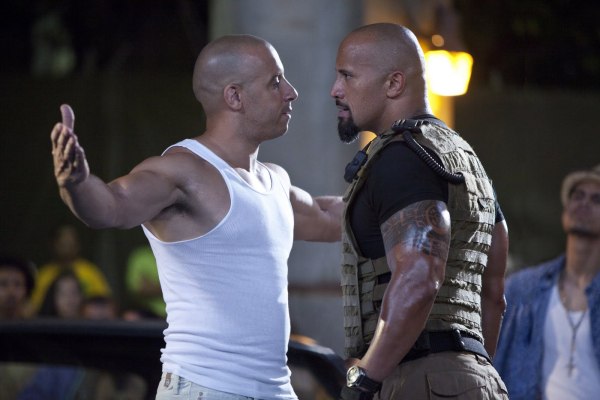
Our characters’ exploits are scored by an outstandingly energized soundtrack. The foot chase scene is solid, filmed with numerous wide angle shots capturing the gorgeous cityscape of Rio’s rooftops. Probably the best camerawork among the first five Fast and Furious movies. We are also wowed by one of my favorite movie fight scenes (excluding martial arts movies). When Hobbs and Dom go at it, it’s like two rabid junkyard dogs on steroids. They hits are hard, frequent, and I question how many bruises the actors left the set with at the end of the day (of course, the stunt doubles had it much worse). There weren’t enough windows and plaster walls in that entire warehouse for them to smash or throw each other through. This was a grappling, tackling, face-punch frenzy. My only gripe is that The Rock didn’t win. Not Hobbs, mind you…but The Rock. Later, seeing Dwayne “The Rock” Johnson limp is like going to SeaWorld to see a water show starring a killer whale with a captivity-rendered limp dorsal fin. It’s just not right. LOL.
Then there was the vault chase scene…STUPENDOUS! At every turn we find so much property damage as they swing that vault across the road in their wake through crinkled cars and mangled buildings. Oh, and they were wholesale MURDERING cop cars, smashing up more vehicles than a Bad Boys Michael Bay flick.


Winding down after their victory and reminding us that they’re all one big criminal family, is that we have such a happy conclusion. Much like the Lord of the Rings trilogy (2001-2003) we have a bunch of endings, only these are much more succinctly handled and won’t bore audiences. Brian and Mia got a beach house to raise their child, Tej and Roman jockey for “best car in the hemisphere,” Han and Gisele go honeymooning on the autobahn, and Santas and Leo do playfully dumb things with their money in casinos…it’s all very nice. You’ll leave this movie happy.
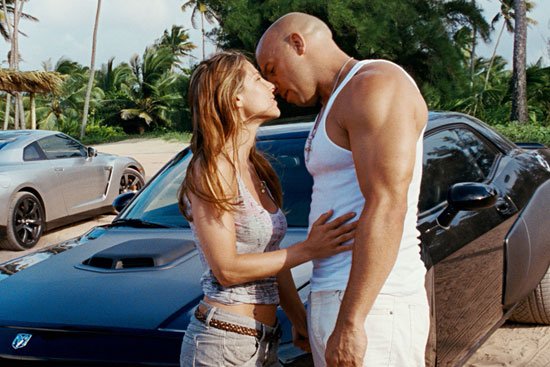
So go see it (again), be thrilled, and be happy.
Share this post:

The Totally Necessary Updated Rankings of Nicholas Sparks Films: The Most Important List Ever
Hello all. Mark here.
When you hear the name Nicholas Sparks I’m pretty certain you will groan, scoff or say “I loved The Notebook!” His 11 book adaptations have grossed $882 million worldwide and provided Kleenex thousands of new customers. However, the romantic films have taken a nose dive in quality since he took over producing and screenwriting duties. The genre he helped create (Sparksian) has now become predictable, and each feels like a paint by the numbers retread of the prior movie. Just look at the posters.

The first five differed slightly but then it became all about the face palms. Check out the poster breakdown here.
Why have I decided to rank these movies? I have a strange fascination with these tear jerkers because they are critic proof, really weird and always cast big name talent. Their quality has slowly declined (or was it ever there?) yet some are better than others. People keep coming back for more and must find the unabashed melodrama satisfying. Do people find enjoyment in untimely death, cancer, lost love, mom jeans, poster face grabbing and ghosts? I do know that when watching The Notebook, 87% of the people in the packed theater were crying their eyes out. It actually took me out of the movie because I had never been surrounded by so many crying people.
Sidenote: Sparks said he was a better writer than Cormac McCarthy (No Country For Old Men, Blood Meridian, The Road) and thinks his books are Greek Tragedies. Just had to add that in there.
Along with the ranking I’ve included the “Sparks Meter.” I compiled 15 of his most repeated elements in an effort to figure out what is the most “Sparksian of all the Sparks movies. Here are the 15 elements.
Boats, Widowed, Divorced, Only child, Death of a love interest, Two love stories taking place during one film, Cancer, Water smooching, Beach scene involving cuddling, frolicking, swimming etc…, Letter writing, Moving to new town, Secrets, Pickup truck. Love triangle, Angry parents
The Average “Sparksian” score is 8.
.
1. A Walk To Remember

Roger Ebert sums up this movie perfectly.
A Walk to Remember is a love story so sweet, sincere and positive that it sneaks past the defenses built up in this age of irony. It tells the story of a romance between two 18-year-olds that is summarized when the boy tells the girl’s doubtful father: “Jamie has faith in me. She makes me want to be different. Better.” After all of the vulgar crudities of the typical modern teenage movie, here is one that looks closely, pays attention, sees that not all teenagers are as cretinous as Hollywood portrays them. A Walk to Remember is a small treasure.
6 of 15 Sparkisms. (Widowed, Only Child, Death of a Love Interest, Cancer, Secrets, Angry Parent)
2. The Notebook
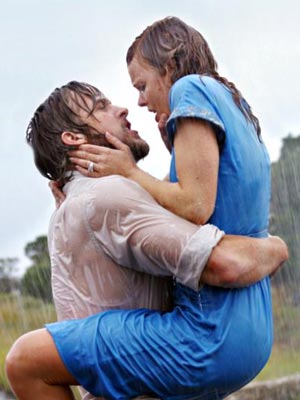
The Notebook was incredibly passionate and super bonkers (They die at the same time!) Rachel McAdam’s character is by far the most three-dimensional of Spark’s ladies (she literally fought for her character) and Ryan Gosling became a megastar overnight because of this movie. The Notebook is by far the most popular of the nine films because of the commited acting, passion, and all around care spent on the script.
8 out of 15 Sparkisms. (Widowed, Only Child, Death of a Love Interest, Angry Parent, Smooching in Rain, Boat, Letter writing, Pickup truck)
3. The Longest Ride
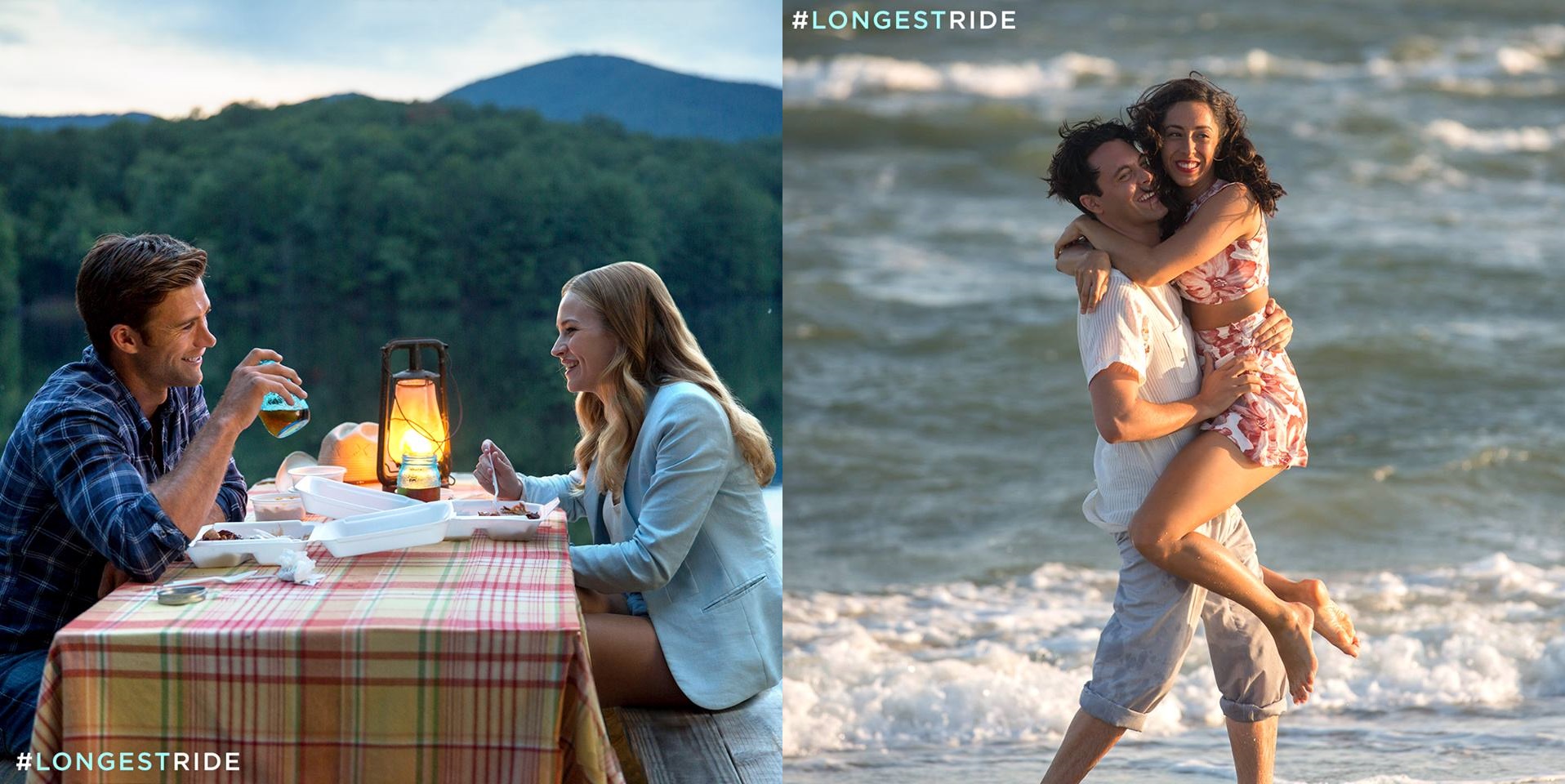
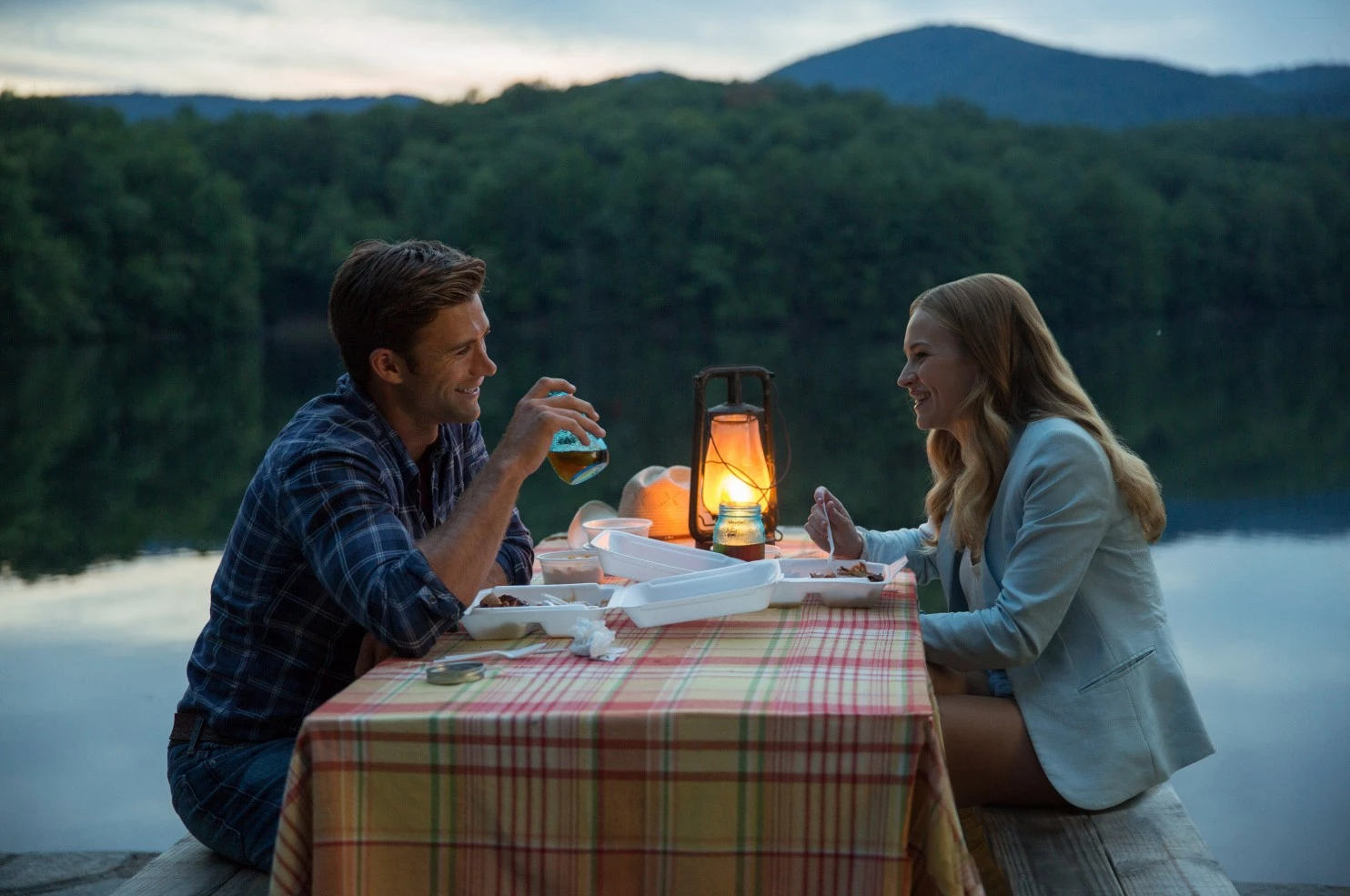
The Longest Ride is the least manipulative of all the Spark’s films. It tells the story of two couples who compromise, love and get all emotional. Jack Huston, Brit Robertson, Oona Chaplin (granddaughter of Charlie) and Scott Eastwood (son of Clint) do a fine job of playing the good looking people who fall head over heels in love. The Longest Ride defeated all of my skepticism and left me sort of liking the movie despite the ham-fisted storytelling and cliches. The best part is that nobody dies at the end via a flash mudslide!
10 out of 15 (Boat, Only Child, Widow, Smooching in water (X2), Letter writing, Pickup truck, Beach frolicking, Two love stories taking place at once, Secrets)
4. The Last Song
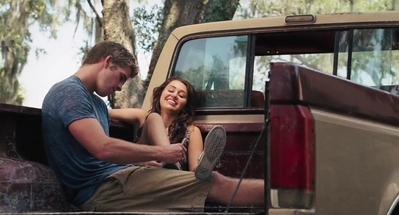
Greg Kinear is my homeboy. The Last Song is a teenager tear maker but it helps sea turtles and Justified’s Nick Searcy makes an appearance so it isn’t all bad. The Last Song is not good but poor Greg Kinnear acts his face off in order to create some emotional resonance.
7 out of 15 (Cancer, Divorce, Water Kissing, Boat, Beach, Secrets, Moving to new town)
5. The Choice
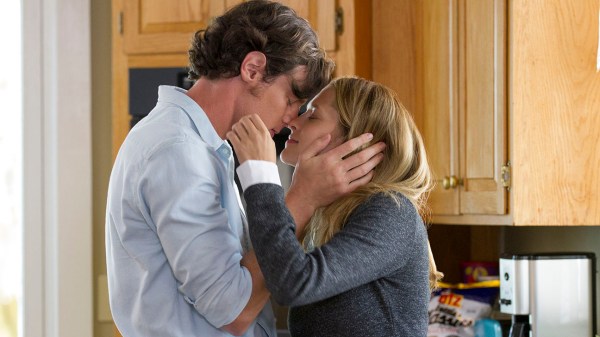
The Choice is not a good film but you can tell the actors gave it their all. It is totally unnecessary schlock, but Teresa Palmer is likable and some of the cinematography is quite nice. The reason I put it at five is because it wasn’t trying to be anything other than a bad Sparks film that focuses on an insanely obvious plot twist. Also, I’m pretty sure it broke the world record for Teresa Palmer face grabs.
5 out of 15 (Boat, Beach, Pickup Truck, Beach Scene Involving Cuddling, Frolicking)
6. Safe Haven

Lady on the run finds a nice family and talks to a ghost. Did I mention the ghost was her love interests dead wife? The twist comes so from a place so far off that is miles behind left field. If I had taken a sip of water before the twist reveal I would’ve spit it out from humor/shock. Safe Haven is bonkers and the How Did This Get Made crew covered it perfectly.
7 out of 15 (Beach, Moving to new town, Secrets, Widow, Pickup truck, Water Smooching, Letter Writing)
7. Message in a Bottle
So…….Kevin Costner plays a widow who is tricked by a reporter for a story. Eventually, the two fall in love and as he is going to visit her he dies in a freak storm. Basically, everything that happens in this film is unnecessary. I love me some Paul Newman though.

Paul Newman was in this movie!
8 of of 15 (Widow, Secret, Beach, Boat, Death of a love interest, Letter writing, Pickup truck, Angry parents)
8. Dear John

Entertainment Weekly sums up this film perfectly
John (Channing Tatum) and Savannah (Amanda Seyfried) find themselves in a How I Met Your Mother situation when Savannah breaks up with John for Tim (Henry Thomas)—only for Tim to die of lymphoma, giving Savannah and John the opportunity to rekindle their love. The twist comes off as insensitive and implausible: ”Let’s celebrate this really nice dude’s death and how it conveniently made it possible for John and Savannah to hook up!” Poor Tim.
11 out of 15 (Death of a love Interest, Angry Parents, Widow (X 2), Boat, Letters, Water smooching, Love triangle, Pickup truck, Beach cuddling)
9. The Lucky One
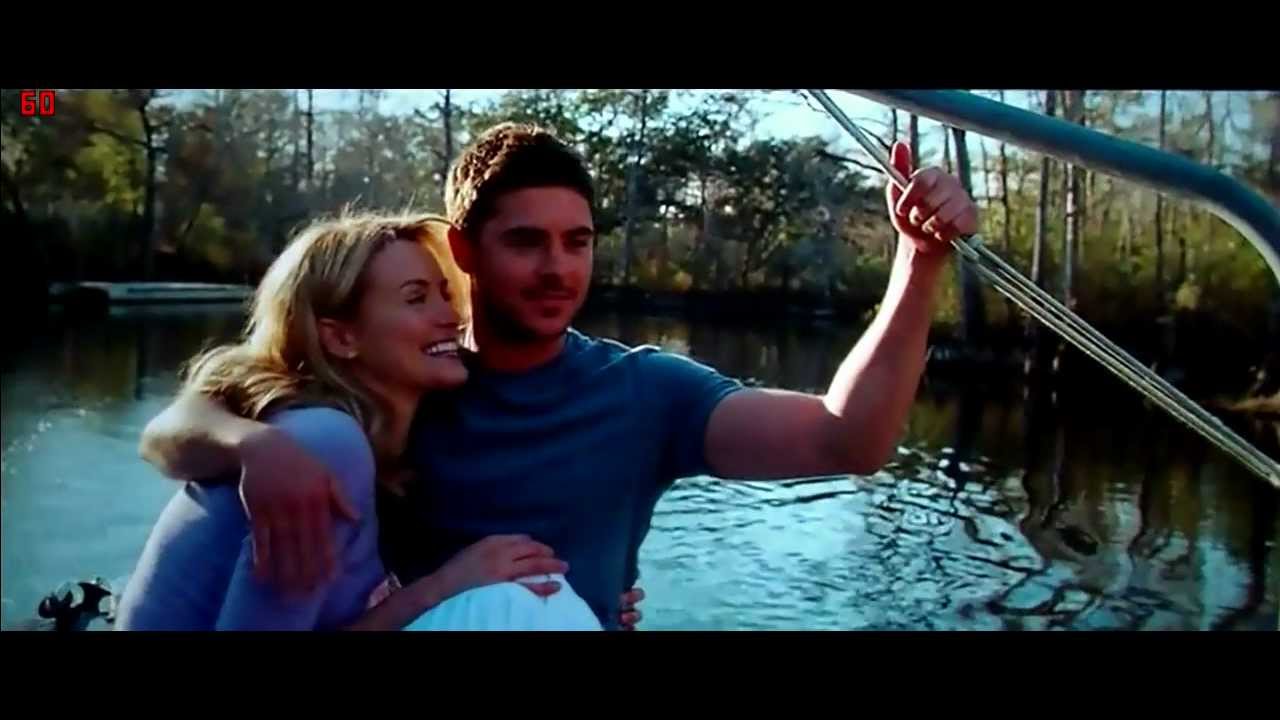
Nope. The whole thing is based on an unnecessary lie (just tell that lady) and features the stock drunk husband who will inevitably do something dumb and hurt his family. Both Zac Efron and Taylor Shilling have proven they have personalities in other movies, but The Lucky One sticks them so far in the muck there is zero enjoyment.
7 out of 15 (Boat, Secrets, Only Child, Divorce, Water Smooching, Moving, Pickup Truck
10. Nights in Rodanthe

Never put Diane Lane in mom jeans. Don’t kill Richard Gere in a flash mudslide. James Franco is in this movie. It is all very weird. It dedicated a five minute scene to Gere and Lane throwing canned goods into a waste basket. If they filmed this as a way to take a beach vacation I applaud them.
5 out of 15 (Beach, Loss of a loved one, Divorce, Water smooching, Letter Writing)
11. The Best of Me

Dumb, manipulative and wastes all of its talent. The Best of Me has an 8% rating on Rotten Tomatoes (lowest of all the Sparks films) and the screenplay was written by Sparks (bad idea). I’ve never watched a more underwritten/overwritten (if that makes sense) snoozer and it kinda sucked because James Marsden and Michelle Monoghan are fantastic actors.
11 out of 15 (Water Smooching (X2), Loss of a loved one, Divorce, Pickup truck, Secrets, Two love stories at once,
Share this post:

Bad Movie Tuesday: Lady Terminator (1989), the Indonesian fantasy/action B-movie Terminator rip-off you’ve been looking for!
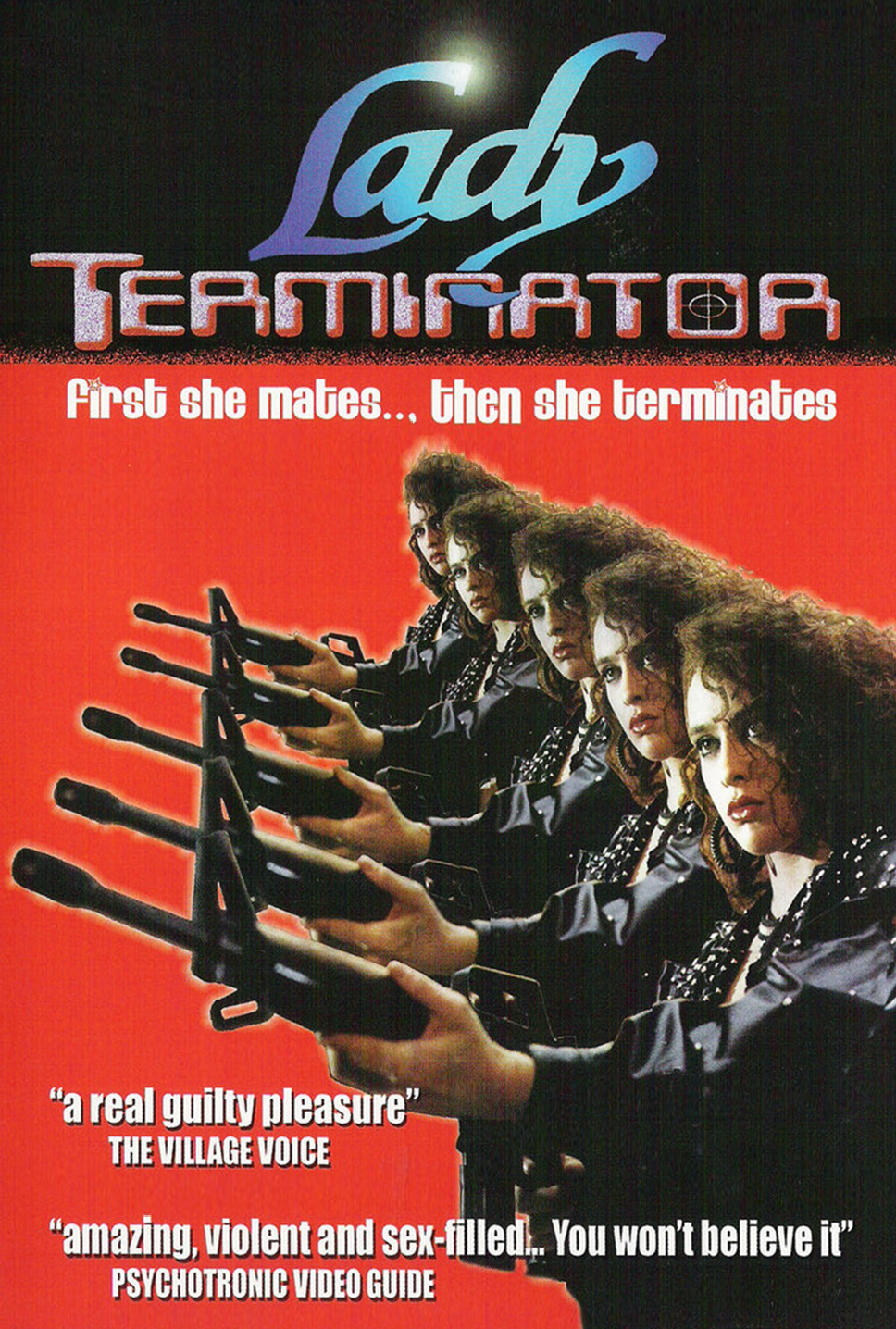
MY CALL: This is exactly the Indonesian fantasy/action B-movie Terminator honorarium you’ve been waiting for! Enjoy. MORE MOVIES LIKE Lady Terminator: For more Indonesian action/fantasy madness try The Devil’s Sword (1984).
Before we start, I think it’s critical that you understand just how classy this film is. Because director H. Tjut Djalil (as Jalil Jackson; Mystics in Bali, Dangerous Seductress, Satan’s Bed) knows how to keep things classy. Just listen to this IMDB synopsis: “The spirit of an ancient evil queen possesses the body of a young anthropology student, who then goes on a murderous rampage.”

Just to prove he means classy business, Djalil opens the film with a tastefully clothes-on sex scene culminating in the man dying because…well…something flesh-rending was evidently going on “down there” in her nether regions. I’m reminded of movies like Teeth (2007), Evil Clutch (1988) and The Night of Something Strange (2016)…only this little Indonesian fantasy/Sci-Fi/action film turns out to be much more complicated. You see, her next lover “defeats” her by removing an eel from her—you know—which was evidently eating the penises of her past lovers in coitus. He then magically turns her crotch eel into a dagger (don’t ask how, he just does it like he had been doing it for years) and she is furious about it! So, she curses him: “In 100 years I’ll have my revenge on your great-granddaughter!”
Not much of a curse is it? It seems to me that when you curse the descendant of a descendant of a descendant of the person who wronged you, the cursed person won’t live to see it. Not a significant punishment at all, if you ask me. So, to prepare herself for this curse she wanders into the sea to join other evil forces or something. Perhaps if I was more educated on Indonesian mythology, this all would have made perfect sense.
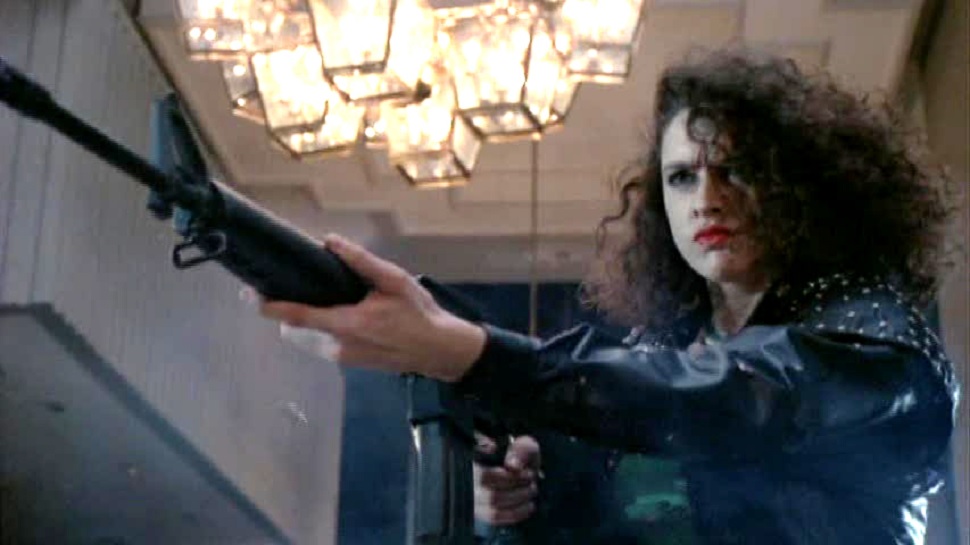
100 years later Tania (Barbara Anne Constable) finds a creepy book on the Southern Sea Queen from a creepy man in a library with a creepy taxidermy display. She informs us of her credibility with such lines as “I’m not a lady. I’m an anthropologist.” During a routine anthropological scuba-diving expedition she is teleported to an unreasonably large bed and raped by an eel, resulting in her apparent possession. Things typically don’t go well for anthropologists in horror films (e.g., Cannibal Holocaust, The Serpent and the Rainbow) do they?
Based on the ensuing events, this film clearly becomes a cautionary tale for those who would engage in unprotected anonymous sex with strangers in the 80s. Tania emerges from the water and does her best nude T-800 walk, even turning her head like Arnold and stiffly strolling around naked until she meets some local punks and “sexes them to death” with her intrauterine eel—FYI, that part was not stolen from Terminator.

It’s as campy as it gets. We see a lot of boobs, the blood spurts are silly, and she steals a punk’s leather jacket (just like Arnie). Now she just needs to find Sarah Conner…errrr…that long dead cursed guy’s great-granddaughter.
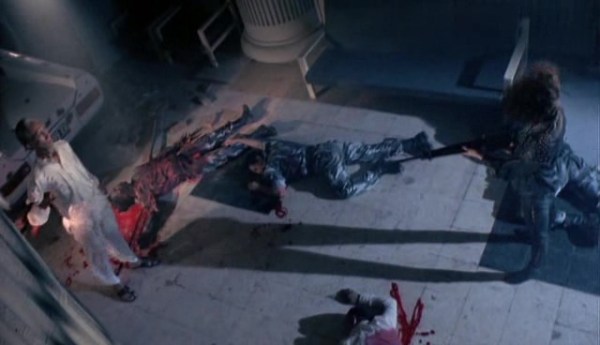
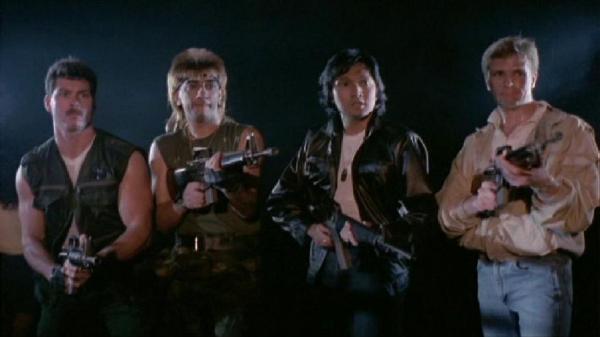
I’m sure we’ve firmly established the badness of this film, but here are some additional ways we know this is a bad movie:
- During an improvised gynecological exam, a man pulls an eel from a vagina and is, in no way, shocked.
- With no disclaimed wizardry schooling, he straightens that eel into a dagger!
- This film was based on the Indonesian legend/Goddess The Queen of the Southern Sea. If Terminator was also based on this, I had no idea.
- The star actress also received top billing for make-up. Two pay checks, girl!
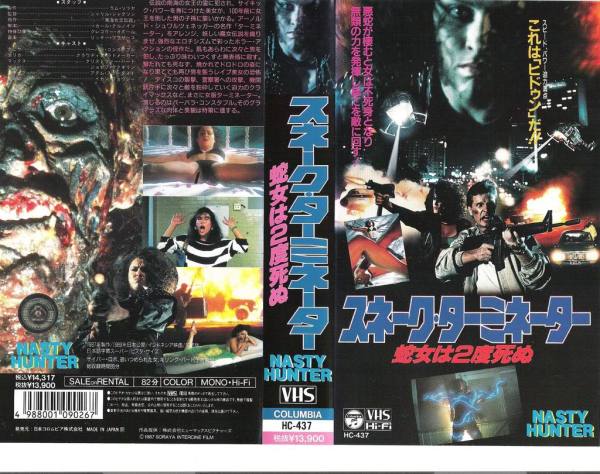
- This film was also released as Nasty Hunter. Nasty Hunter = CLASSY!
- Intrauterine eel rape and eel penis-eating.
- Topless telekinetic mediation sessions in a sleazy hotel.

- Apparently simply shooting a car in an 80s B-movie results in an explosion!
- When killing men with sex just won’t do, Tania-nator gets an automatic weapon and shoots like 10 guys in the dick just like Kung Fury’s Triceracop!

- She cuts out her eyeball with a pen knife…just to wash it off!
- Eye lasers. She shoots laser beams from her eyes!

- Oh, right! A woman kills men by having sex with them…to death!
This films begins about as original as they come, but then steers right into a Terminator copycat with a skewed premise. Warlock (1989) was also a Terminator (1984) rip-off, although a bit less overtly so. But you know what? I’d highly recommend this to any B-movie fan, and this is clearly on the high end of B-movie quality.


All the way to the dumbly-dialogued action-packed finale, this movie tries really hard to give you a lot. A lot of nudity, a lot of bullets, a lot of eel bites to the dick, and a lot of zany nonsense. This is a B-movie cult favorite for a reason.
Share this post:

The MFF Podcast #94: Return of the Listener Questions

Download the pod on iTunes, PodBean, or LISTEN TO THE POD ON BLOG TALK RADIO.
If you get a chance please make sure to review, rate and share. You are awesome!
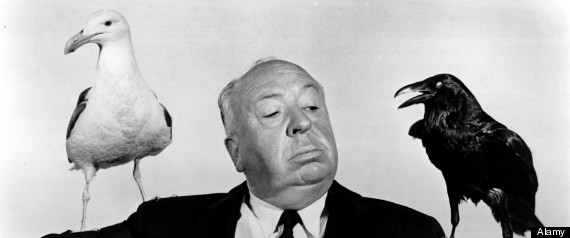
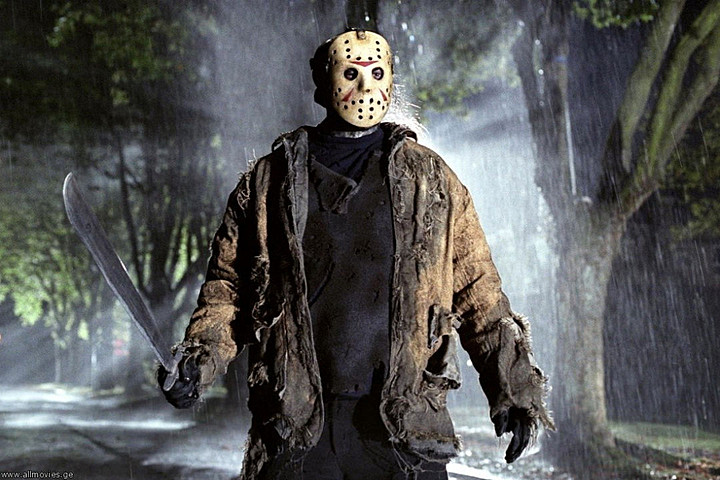
Summary: We dig deep and answer a batch of Listener Questions that are all about horror movies. Jason Voorhees, Michael Myers and Freddy Krueger find their way into questions about famous franchises along with The Birds and Salem’s Lot. So join us as we nitpick and defend your favorite horror icons. If you enjoy this episode, try Listener Questions or Listener Questions Strike Back.
We answer the tough questions in this podcast! For example…
“What made Hitchcock’s birds so crazy?”
“Is Jason Voorhees more than just a zombie?”
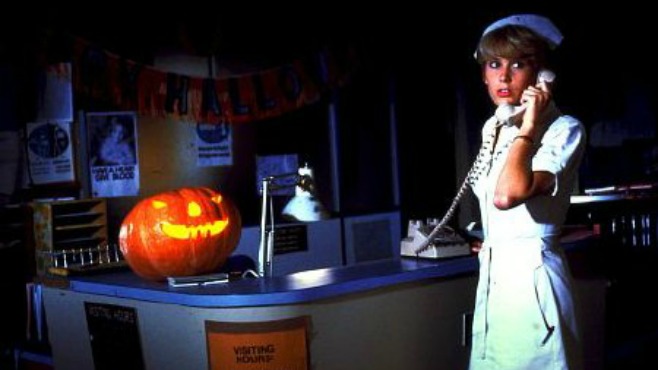
“What was going on with that deserted hospital in Halloween II?”
“Do vampires need to plan their human-cropping more carefully?”
“Did Michael Myers pass driver’s ed?”
LISTEN TO THE POD ON BLOG TALK RADIO,
or head over PodBean or iTunes, and if you get a chance please SUBSCRIBE, REVIEW, RATE and SHARE the pod!
Share this post:

John’s Horror Corner: Train to Busan (2016), a thrilling Korean zombie film mixing Snowpiercer, 28 Days Later and World War Z!

MY CALL: One of the better zombie films I’ve seen in a while, and featuring gorgeous shots and excellent characters. This is a major win and a thrilling ride, mixing the best of 28 Days Later (2002) and World War Z (2013) with a dash of Dawn of the Dead (2004) and Snowpiercer (2013). MORE MOVIES LIKE Train to Busan: Other recent, popular Korean horror films include I Saw the Devil (2010), Thirst (2009) and The Wailing (2016).
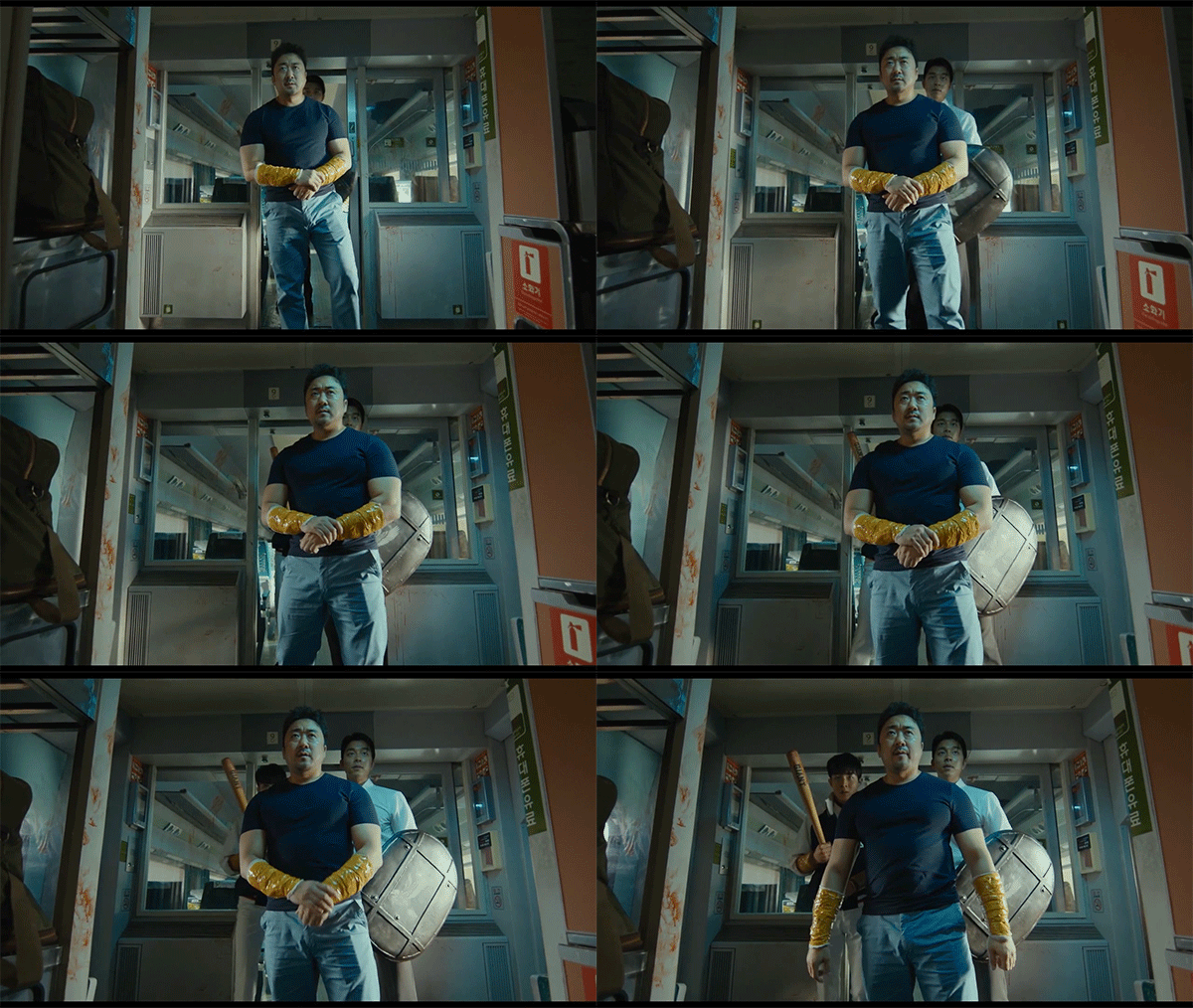
Who’s ready for a serious zombie film?
The premise is simple enough: “While a zombie virus breaks out in South Korea, passengers struggle to survive on the train from Seoul to Busan (—IMDB).” It begins when, after a chemical leak from a nearby biotech facility, we witness the startling reanimation of a road-killed deer.
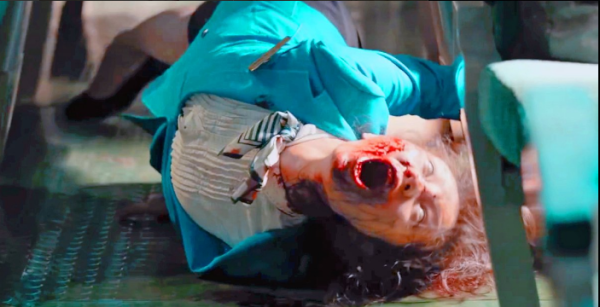
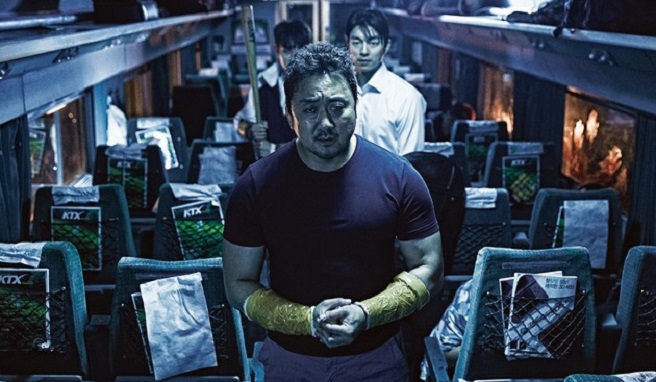
Director and writer Sang-ho Yeon (The Fake, The King of Pigs) gives us time to get to know our characters: a divorced businessman and his daughter (Soo-an) whom he barely knows. Their relationship is strained and she wants to return to her mother’s house. So, the next day they board the train to Busan. Their timing couldn’t have been better as the city was taking fire and the wave of zombies would narrowly miss the departure of their train. Or would they…? It appears that one bite victim got on…


In no time the infected turns, bites another, those two infect two more, and in minutes we have a little zombie apocalypse in our train car microcosm. The incubation period for this virus is apparently only seconds, during which the body violently convulses and thrashes, complete with joint cracking sounds and spastic movements throwing back to Raimi’s deadite stylings of the 80s. These speedy viral zombies remind me of the bum-rushing feral undead in Dawn of the Dead (2004) and 28 Days Later (2002). And with this peril, Soo-an (Soo-an Kim; Memories of the Sword) and her father Seok-woo (Yoo Gong; Goblin) find a reason to bond: survival!
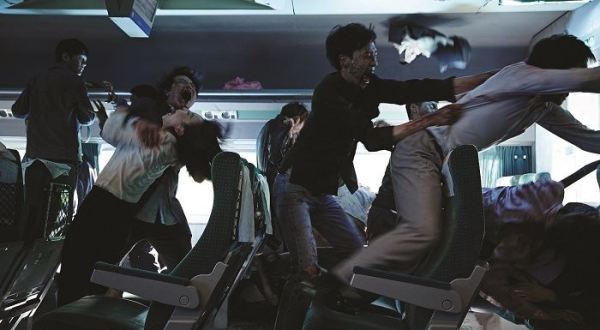
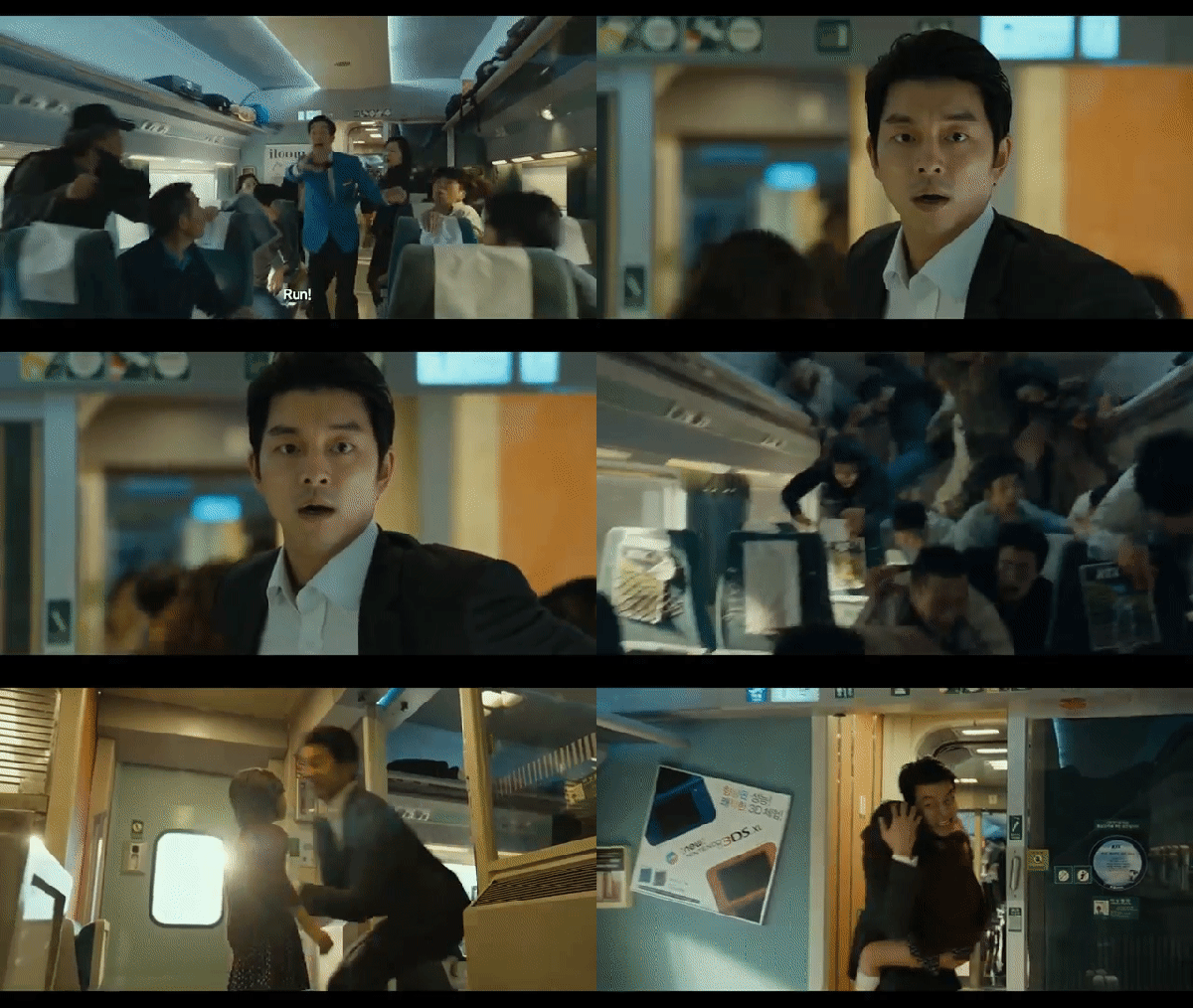
As Soo-an’s father tries to save her, she voices her sadness that he only cares for himself. During his fight to survive, our once selfish Seok-woo becomes a better man, makes an unlikely friend and both become unlikely heroes brave fearful mobs under mass hysteria driven by the most despicable bad guy of the year!

The special effects, physical zombie-acting and stunts are on point. From the zombie deer (CGI; in the opening sequence) to the scores of World War Z-esque (2013) zombies flooding over surfaces like a twitchy deluge, the reanimated movement was perfect and unnerving. They fall from the sky and off buildings, then scramble towards all life with their mouths slack-jawed and their dislocated limbs wildly flailing about. The stunt men must’ve had fun with this, but also likely found challenges with the close-quarter train car combat (think Snowpiercer, but tighter like Oldboy).
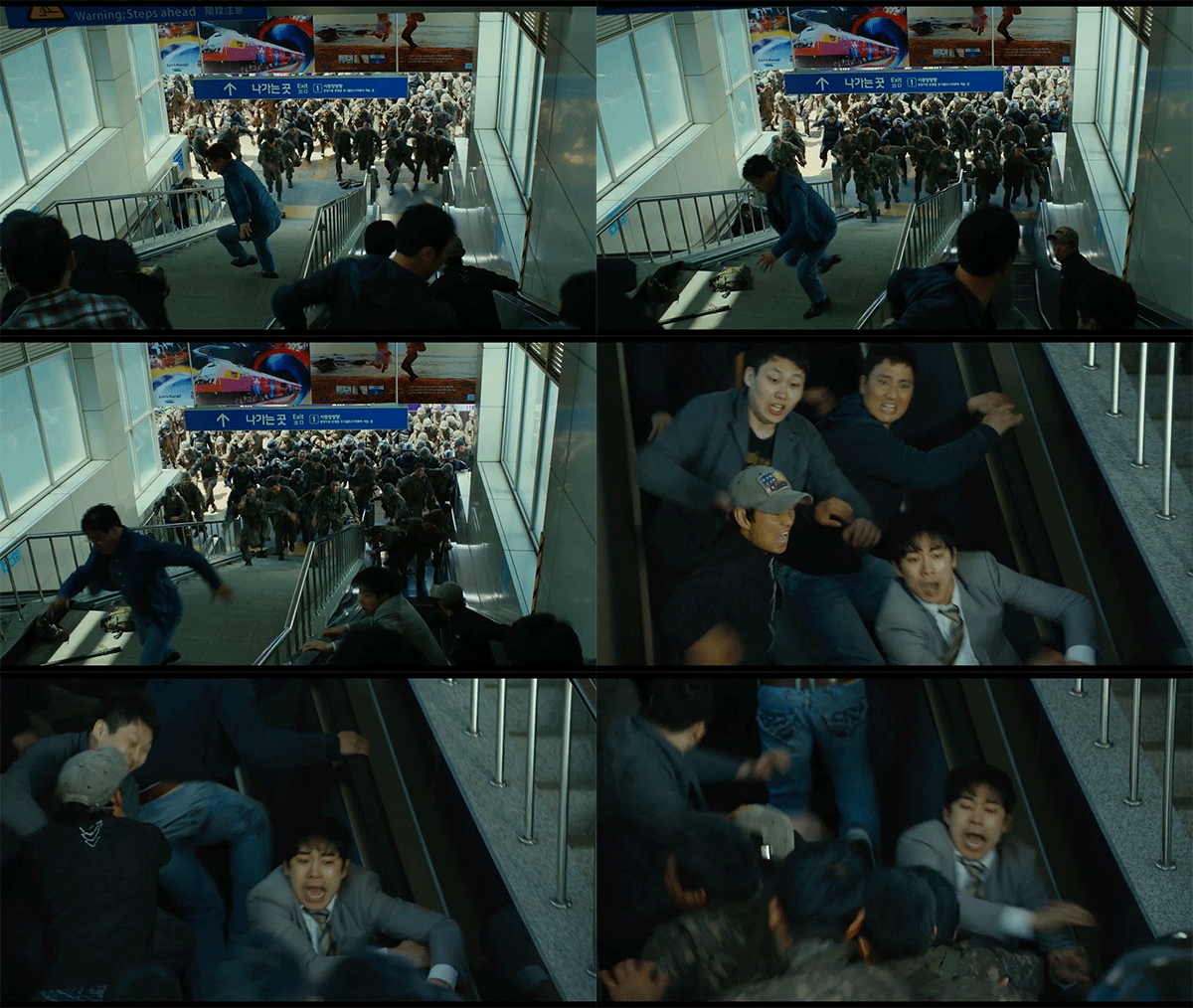
Between the hyper-scrambly zombies climbing over each other like the spilled-over denizens of a kicked ant mound and the sniveling bad guy who would soullessly do anything to survive, I found myself feistily yelling at the screen about a dozen times. This movie has its real emotional moments (especially getting heavy at the end), but it likewise has its fun thrills!

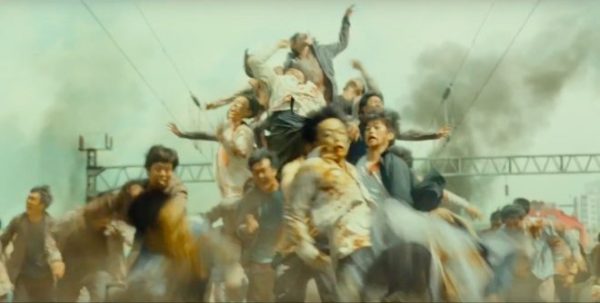
From cityscapes and train station chase scenes, to action sequences in train yards and wide angle convergences of zombie hordes, this film is gorgeously shot. And what a gorgeous framework for a broad cast of likable characters (with even some of the minor roles being quite memorable).
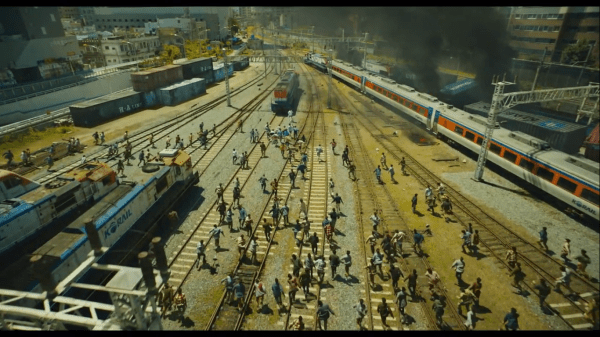
I can’t sing its praises enough, but if you want even more reassuring please check out Mark’s 5 Reasons to watch this exciting approach to zombiism that’s fresher than the very flesh it infects. It also made Mark’s 10 Best Horror films of 2016 and was featured in Asian Cinema Takeout #2.

Now get up and go watch this movie!
Share this post:

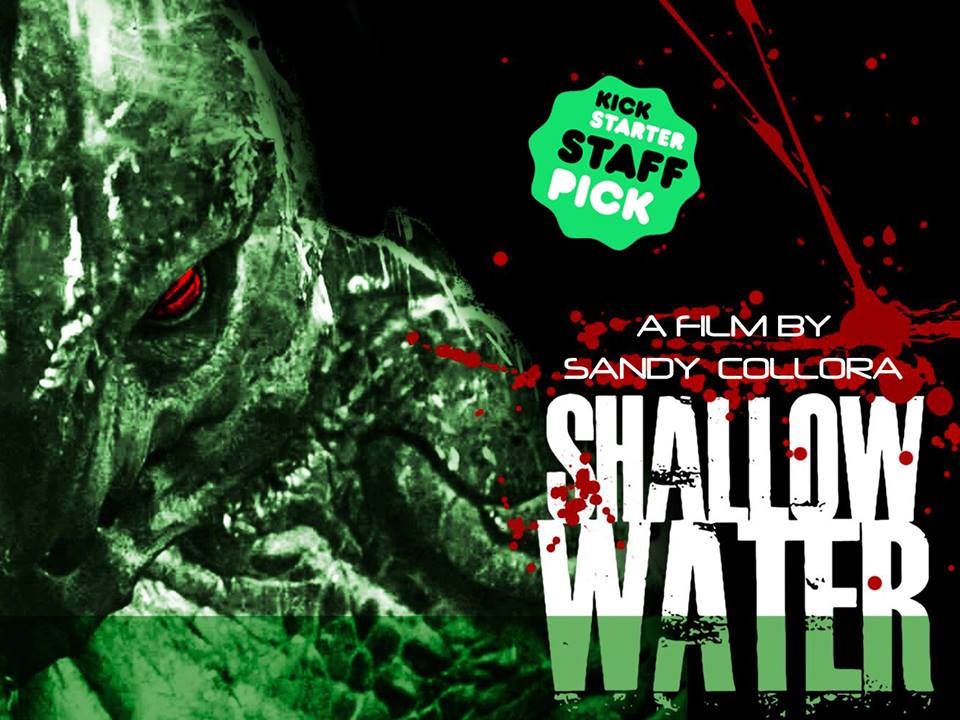
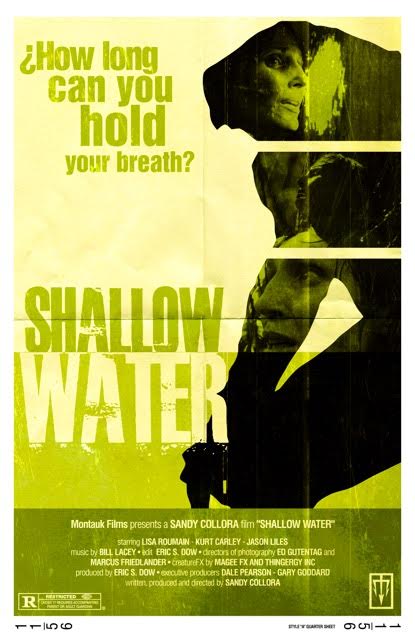
MY CALL: Stan Winston (Pumpkinhead) showed us how great it can be when a creature creator helms a creature feature, and here Sandy Collora wants to do the same. I was pleased with his effort and would love to see a feature length spawn from this. MORE Indie Reviews: Here at MFF we occasionally do horror short film and pre-release indie film reviews on request. Among recent solicited promotions are Order of the Ram (2013; short film), Love in the Time of Monsters (2014; feature length), Interior (2014; feature length), Smothered (2014; feature length), In the Dark (2015; feature length), Trailer Talk: The Void, TRAILER TALK: Blood Money, Short Film Buzz: Burn (2016; press release), Brother (2016; short film), the indie techno-horror Other Halves (2016; feature length), and Scythe (2016; short film)
Disclaimer: This review was solicited by the filmmakers after I was issued a free digital copy for supporting their Kickstarter Campaign. However, my opinion remains unbiased as I was neither hired nor paid to produce this critical review, nor do I have an investment stake in the film.

This 18-minute short film drops us at would normally be the 70-minute mark in a 90-minute movie—basically, the final segment of a feature length film. Our final girl is being chased through the rainy forest by a monstrous bipedal amphibious humanoid; essentially a more modernly designed Creature from the Black Lagoon. She clearly knows what she’s dealing with already and it becomes readily apparent that all her friends (or, other people in the area who could help) are all already dead.
The acting was fine but had no line-delivery—just a woman (Lisa Roumain; Avatar) desperately running scared. But the camera work was on point, featuring great shots of our forest setting, as well as some slow-motion boob-running for, you know, the people who just enjoy some slow-motion boob-running in a wet tank top. What I noticed most was how water (in all forms) always appeared crisply attended.
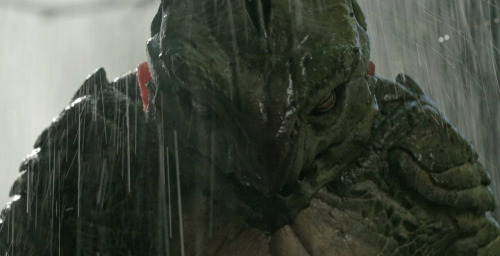
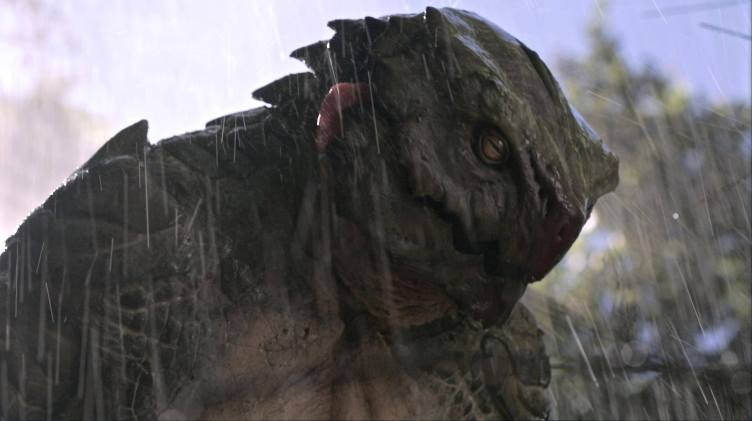
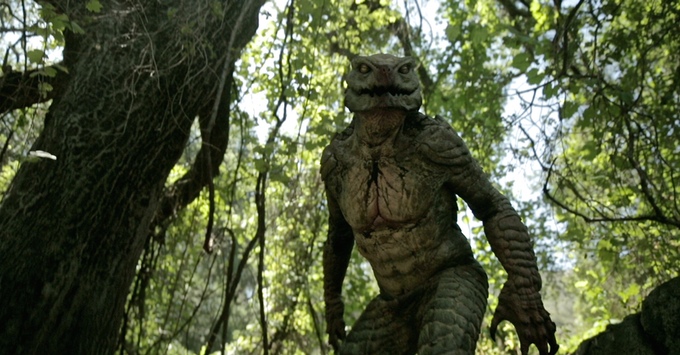
The creature effect is a rubber monster suit, which some may want to dismiss outright just upon hearing that detail. But it is done well and it is the very purpose of this short film! When we first get a good look at it (4:45 on the running time), we see its reptilian eye-slip covers blink and its misshapen pupil dilates. This was absolutely not half-assed! I rewound about 5 times to watch the think blink and focus its eyes. A lot of attention was also afforded to the sounds the creature would make. I liked that. It’s all in the details. When we see the monster again we learn more about it—it has dorsal nostrils something like a whale’s blowhole atop its head. I thought it looked great! Dungeons and Dragons fans, I think, will especially enjoy this monster. It reminds me of the Sahaguin or Deep Ones, appearing as aquatic lizard men with all manner of gashes, scars, coral, hooks and bits of fishnetting adorning its scale-armored body.
The filmmakers also had some fun with the gore. I was reminded of the kitchen table butchering scene in Wrong Turn (2003) at one point, and I liked the aquatic zoological touch of having fiddler crabs scavenging en masse on a brutally gored cadaver.
This film was almost entirely composed of typical horror tropes and I don’t care. I don’t consider this a negative criticism; only an observation. Sometimes we want something formulaic yet well-made, and that’s what this is. I’d really like to see a feature length version of this. We don’t have much out there harkening back to The Creature from the Black Lagoon (1954)—except for, maybe, Creature (2011) or Humanoids from the Deep (1980), which I enjoyed despite their overt badness—and I feel we could use some more! Director and creature designer Sandy Collora has done well.
Share this post:

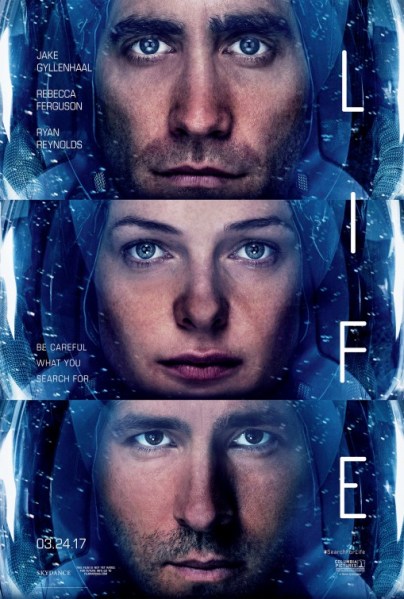
John’s Horror Corner: Life (2017), the incredibly intense Sci-Fi thriller that relies equally on great characters and a great monster.

MY CALL: Despite not having much of a story, the characters and creature development breathe heavy tension into Life. It’s a satisfying rollercoaster of fun, but packs none of the moral or heroic punch of Alien (1979). MORE MOVIES LIKE Life: Species (1995), Mission to Mars (2000), Red Planet (2000), Apollo 18 (2011), Alien (1979), Aliens (1986), Prometheus (2012).
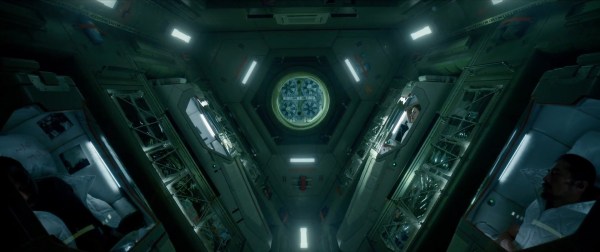
Orbiting Earth on a research space station, six astronauts intercept a vessel containing proof of life on Mars: a dormant, flagellate, single-celled organism. They quarantine the life form, provide nutrients, and watch it grow in a controlled environment. But its metamorphosis finds nothing like the “single-celled” organisms we know on Earth and the term “controlled environment” never seems to go as planned in these movies, does it?


Life (2017) features a premise we’ve obviously seen before. There’s a major discovery of life beyond our solar system, something goes wrong, and a crew with good intentions is trapped with some sort of alien organism driven to kill them. Whereas past movies took us deeper into space or on planetary surfaces (e.g., Mission to Mars, Red Planet, Apollo 18) and others brought the discovery to Earth (Species), this is a lot more like Alien/Aliens (1979-86). And while some are calling this sci-horror; it’s nothing at all like Event Horizon (1997)—yes, it’s scary, but not that kind of scary. However, it certainly boasts seat-gripping suspense. I spent much of my movie-viewing experience feeling VERY NERVOUS in an awesome way.
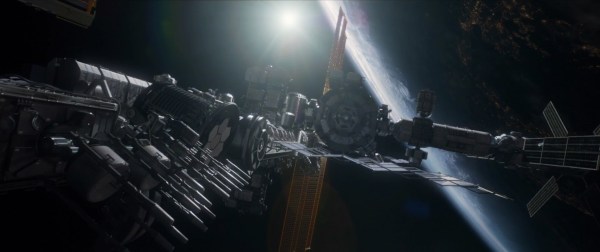
What’s really wonderful about this film is that the entire cast really delivered. The stakes are high, the consequences get dire, and everyone performs excellently. Each character had their own flavor, as of course they should. Our introductions remind me of Alien (1979) and Sunshine (2007); everyone has their own impetus, or thrill, or sense of duty, or desire for discovery; all of them with their own idiosyncratic demeanors that show us who they are without relying on senselessly expository dialogue to explain them away.
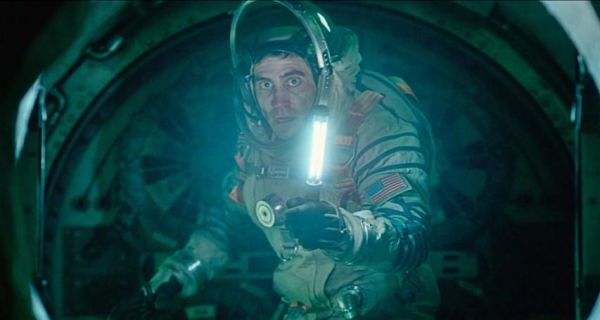
Jake Gyllenhaal (Donnie Darko, Nightcrawler) plays a doctor who feels more at home in zero gravity than on an over-crowded Earth, Rebecca Ferguson (Mission Impossible Rogue Nation) is our mission commander forced to make tough protocol decisions when lives are threatened, Olga Dihovichnaya brings the compassion, sci-fi favorite Hiroyuki Sanada (Sunshine, 47 Ronin, Extant, Helix) plays the engineer and family man, Ariyon Bakare (Rogue One, Jupiter Ascending) is the xenobiologist, and Ryan Reynolds (Deadpool, The Voices, RIPD) is our down-to-Earth comic relief.
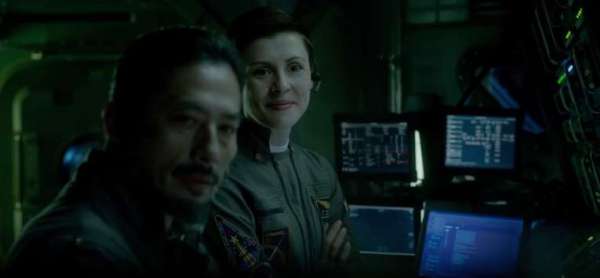
Director Daniel Espinosa (Safe House) has worked with Reynolds before and knew how to use him best—capturing his snarky charm and anxiety when appropriate. When things get iffy Reynolds’ character is the mine shaft canary. Reynolds has recently done some less-than-celebrated films (e.g., Self/Less, Criminal, The Captive), but his fans will love him in this (think more Deadpool, Mississippi Grind).

More than any of the human characters, the creature undergoes such development! We, the audience, are caught up in the discovery even though we saw the trailer and know things will go horribly wrong. So, while the creature seems almost cute at first, we keep wondering when and how the “life form” will become a “monster.” This alien is not the communal mass of single-celled organisms you learned about in biology class, nor will many find its intelligence credible. To that I say, get over it! Just make the submission that this is from a world we don’t know, has cellular capabilities we don’t have, and accept that this could happen. Once you do, this creature terrifies us as it hunts crew members.
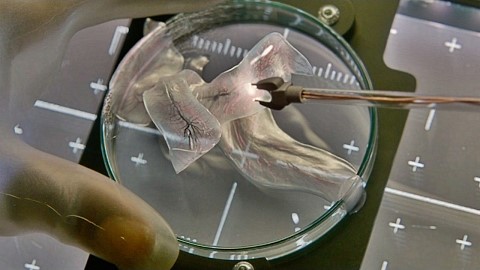
They even gave it a name: Calvin. Of course, they named Calvin when he was much less developed and was warmly neotonous. But the personifying nature of giving it a name (“Calvin”) makes things feel more personal (e.g., OMFG where is Calvin? Calvin got him! Calvin is in the air vents.). And speaking of intense, I feel the need to remind you that this was unnervingly thrilling! If you’re jumpy, you’ll jump a lot. If you “never scare” like me, you’ll still get startled. Things get creepy when Calvin gets methodical.

If you’re looking for a deep plot, you won’t find it here. The story itself is nothing special—it’s the gift wrapping, really, for the intense thrill-ride within populated by great characters and a menacing alien force. As such I recommend this more as a fun and thrilling ride rather than a praising its merits as a film.

The ending is GREAT. I sort of saw it coming; but I wanted this ending and I loved its execution. Some may roll their eyes, but this ending really draws attention to how things can go so horribly wrong and unplanned when things come down to a few survivors, a heavily compromised ship, and a deadly alien stranger. It also brings a dark poetic justice to the title—as if it refers as much to life’s discovery as life’s own drive for preservation.
I LOVED this movie.

Share this post:

The MFF Podcast #93: Manchester by the La La Land
Hello all. Mark here.

You can download the pod on Itunes or LISTEN TO THE POD ON BLOG TALK RADIO.
If you get a chance please make sure to review, rate and share. You are awesome!
The MFF podcast is back and we are talking about La La Land and Manchester by the Sea. These two monoliths of cinema have been dueling all year and have been responsible for many gloriously redundant debates. The only thing they have in common is they both fell to the deserving Moonlight for Best Picture but still managed to win copious awards. . In this pod you will hear us wax poetic about terrible drummers, empty calories and the brilliance of Michelle Williams.
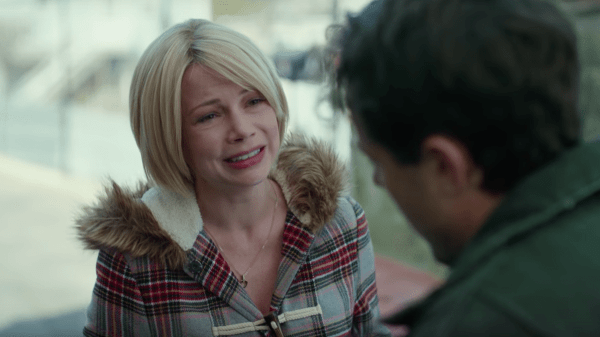
Williams is sooooooooooooooooooooo good.
As always we answer random listener questions and ponder if the questions need to be topical (doesn’t matter). If you a fan of the podcast make sure to send in some random listener questions so we can do our best to not answer them correctly. We thank you for listening and hope you enjoy the pod!
You can download the pod on Itunes or LISTEN TO THE POD ON BLOG TALK RADIO.
If you get a chance please make sure to review, rate and share. You are awesome!
Share this post:


Cinematic space travel seems terrible. Movies like Life, Prometheus, Event Horizon, Sunshine, Alien and many others have taught us exploring space is not fun. The poor space travelers always find themselves in incredibly dangerous situations that would never happen on earth. Whether it be aliens, space goo, super computers or more aliens something always goes wrong and people die.
The following post covers five moments where the main characters aren’t harassed, incinerated or lost while journeying through space.
.
1. Spaceballs – You Can Watch Movies, Drink Coffee and Check Out the Radar
Spaceballs is hilarious! I love the moment when Dark Helmet watches Spaceballs before it is even released. How weird/awesome would it be if you could watch a movie showing the now….right now! Just be careful of hot coffee and going so fast you turn plaid.
.
.
2. Guardians of the Galaxy – You Can Dance Your Way Around Gross Creatures
I love when Chris Pratt dances his way around gross creatures and dangerous crevasses while looking for bounty. Guardians of the Galaxy proves you can have fun while many things are trying to kill you. I have a feeling that terrible space travel wouldn’t be so bad if you had a bunch of entertaining A-holes around.
.
.
3. Star Trek 4: The Voyage Home – You Can Save Whales!
I love Star Trek 4! One of my favorite moments is when Captain Kirk is breaking down the mission to the save the whales. During the speech he mentions that people will be freaked out by Spock. What does Spock do? He wraps a cloth around his head and looks like a karate master. There are better Star Trek movies out there but I loved this movie as a kid and it doesn’t get old.
.
.
4. Star Wars: Episode Four – A New Hope — You Can Play Dejarik With a Wookie
I love the moments in the Star Wars films when the characters have downtime. When they aren’t saving the world or being chased by Darth Vader they are able to relax and play board games involving monsters killing each other. I’d love to play Dejarik with Chewbacca.
.
.
5. Flight of the Navigator – You Can Listen to The Beach Boys While Cruising Around in a Space Ship
I would love to fly around in a spaceship and jam out to The Beach Boys! When I was a kid I thought this scene was probably the coolest thing ever because the kid got to drive underage, teach aliens how to dance and listen to loud music. It would be the greatest day ever!
.
Share this post:

Logan: Old West, New Forms
LOGAN
Old West, New Forms
by Zachary Beckler
Logan is not a Western, though it looks and sounds like one. Characters wear windblown dusters straight out of a Sergio Leone film, and the score by Marco Beltrami uses themes and effects heavily influenced by Ennio Morricone. The characterizations also fit into certain classical genre archetypes, as ranchers feud with “cattle barons” and Professor Xavier taking on the role of the dying “pioneer.” However, there is no doubt the film is Superhero cinema through and through, from its aggressive (and violent) action scenes to the explicit comic-book nature of the nemesis (a clone who is Wolverine’s corporeal double and antithetical representation, essentially an sci-fi narrative device.) That is not to say that James Mangold, director of 3:10 To Yuma, does not utilize the Western aesthetic purposefully, as Logan makes a valid intertextual statement about Superhero cinema and, in turn, the vitality of myth-making in general using these genres. Its motive, however, is not to contrast, but to bridge.

.
What qualifies a film as a Western? In the most basic terms, it depicts a portion American culture during the 19th century, as settlers progress west across a “wild” frontier to establish a Euro-centric idea of civilization and justice. The stories of the “Frontier Myth” in all media forms are usually framed as the exploits of nomadic heroes with vague codes of honor as they confront the savagery of both the natives and the lawless criminals bent on stifling the order of civilized society. In the early days of cinema, the Western emerged as a conduit to exploit the moving image form. What is a Western if not about the movement of subjects contrasted against the stillness of an uninhabited environment? Chase scenes, screen direction, and continuity editing techniques all materialized during the proliferation of this genre in the 1910’s through the 1930’s. It was myth re-making, and movement was essential to its effectiveness. But these myths were regressive to reality, neglecting to show the true horrors of this progression west or the racism and genocide that dominated the culture. The X-Men comics and films have classically appropriated these themes into a kind of futuristic racial commentary (the fact that these “mutants” are different species has always made this metaphor problematic.)
Logan does fit into some of these Western criteria, and not by accident. However, this film, and more explicitly The Wolverine, are informed just as much, if not more, by the Samurai film. Even in the most superficial ways, Wolverine has more in common with Toshiro Mifune than John Wayne as an element of design, with his unbreakable bladed weapons, stylized hair, and kubuto inspired face mask (in his comic-book form). As a cinematic genre, Samurai films of the 1950’s countered the Western aesthetic; instead of portraying a genesis, they depict the conclusion of a way of life. If Westerns showed the movement of subjects (using wide-angle lensing and tracking shots), Samurai films, in particular those of Kurosawa, display the movement of environment against the stillness of its subjects. The frame is always active with rain, wind, or fire while the masterless ronin are poised in contemplation. Even when Mifune moves in a film like Yojimbo, the long lens pans with him and compresses the spaces, parallaxing the the background movement from the foreground. The world appears to fly by this seemingly stationary object.
“The fact that movies are a technology of motion makes them uniquely suited to capturing stillness.” – Ignatiy Vishnevetsky
It is not that Westerns didn’t practice this kind of stillness, as can be seen in iconic gun duels and quick-drawl suspense sequences. And Samurai films did also render moving bodies in space, like the sieges of Seven Samurai (Kurosawa was known for his full body character gestures to express internal emotion.) Genre can ultimately only be defined ostensibly, as each new work adds to its definition. The content and characteristics of genre, though, aides in the understanding of its aesthetic forms. Logan can fit into both genre categories, as it depicts a kind of samurai at the end of his life but uses the deserts of Mexico and the woods of North Dakota to portray this. First and foremost, however, Logan is a Superhero film. What aesthetically defines such a genre?
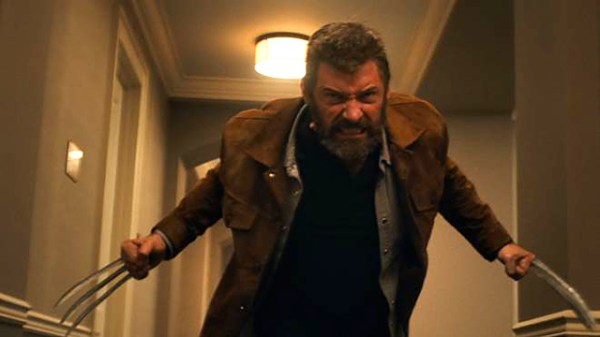
Superhero cinema takes its cues from sci-fi, modern action cinema, and, of course, the comic book panels from which it was birthed. It is not hard to find an overriding formal motif between films, because the stories share similar plots; a modern society destabilized by ideological discordance, selfish interests, or other devious motives of terror. The quality of movement in these films mimic this destabilization, be it the fast-cut handheld frames of Captain America, or the crosscutting partition of actions and moments in Nolan’s Dark Knight Trilogy. In Logan, we see many aggressively staged action sequences, but the film also portrays this instability within the narrative, as Xavier’s brain is prone to seizures that are transmitted to everyone within his range. This is formally conveyed by vibrating the digital camera with an open shutter, creating more ghosting of the motion blur (likely combined with some kind of post-processing). Within these destabilized images, the viewers’ eyes hone in on the most vivid design elements in the frame for balance and relief, usually the posed, costumed superhero.
.
The process of character development is vital to the understanding of this form. Unlike Westerns, there are no real-world “facts” to create “legend” from. The inception of comic book characters nearly always start with vivid physical design, followed thereafter by a detailed emotional history, perhaps as a justification of such bold visual strokes. Batman, for example, started simply with the name, from which they created a design. It took six issues before his backstory and motivation was developed. Wolverine was no different; the design of his costume and weapons in his 1975 debut were so compelling to readers, it compelled Marvel to develop the character further. Within nearly 20 years of passive development, he was given the power of regeneration, immortality, and a backstory revealing bones underneath his implanted “adamantium” claws (the Weapon X backstory was first published in 1991). The myths these superheroes inhabit always seem to play catch-up to their design, and as such are subject to the easy commonalities and platitudes of the history of storytelling.

.
The superhero film is as prolific in mainstream cinema as the Western was in the 30’s and 40’s. Both genres use iconic central figures put through messianic trials to create new mythologies. (Wolverine is impaled horribly in his side late in the film, which becomes a kind of symbolic stigmata). Logan is one of the first superhero films to embrace this idea and make it part of the narrative drive. In doing so, the film acts as a thesis on the necessity of these forms from generation to generation. Hugh Jackman, giving a sublime physical performance, shows Logan disintegrating before our very eyes in a country that turns its back. It is the bleakest of worldviews, showing a culture so far gone it has banished its heroes and accepted destabilization as permanence.
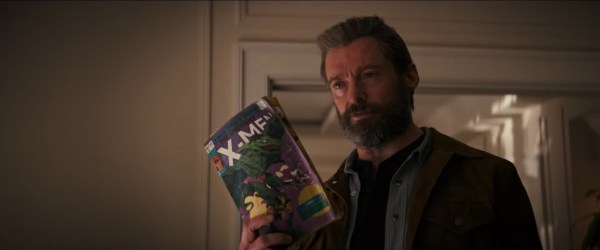
The film can be divided into three key sections: Mexico, (the world and scenario building early scenes which mimic Western aesthetics most), the road (which transitions north from Mexico to North Dakota), and “Eden”, in which young mutants born in labs from the DNA of established mutants (again, this is not a western) have created a sanctuary based on the only religion they have ever known: comic books. A nurse from the cloning facility enlists Logan’s help to get Laura, revealed later to be Logan’s clone/daughter, to the coordinates of Eden. When Logan discovers the destination was copied from a comic book of his own exploits, he dismisses Laura’s quest. “Where we’re going, ‘Eden…’ It doesn’t exist. The nurse got it from a comic book. You understand? It’s not real.” Xavier, the wise and charitable savior of mutant kind, responds simply, “It is for Laura… It is for Laura.” When Logan arrives, hoisted into a literal makeshift ascension, he discovers they have made an Eden for themselves. The structure of Logan frames what has come before (Logan’s world) within the aesthetics of an accepted form in order to bridge into what is here now (the new mutants/Superhero cinema.) This is made explicit during a scene of the children trimming Logan’s beard as he recovers, literally grooming him into the image they worship in comics.
.
The studio has made no secret that this is Jackman’s final outing as Wolverine, so it should come as no surprise that Logan ends with Laura and the the other young mutants standing over the grave of The Wolverine. She eulogizes Logan by quoting the ending to a film she saw days earlier, the classic western Shane. This is not appropriation, but a farewell to a mythic form and an additional layer of commentary.
“Joey, there’s no living with a killing. There’s no going back from one. Right or wrong, it’s a brand. A brand sticks. There’s no going back. Now you run on home to your mother, and tell her everything’s all right. And there aren’t any more guns in the valley.”
One of the children caresses an action figure of Wolverine’s comic book form like a rosary. As the new generation disperses, headed to the sanctuary of Canada, Laura stays behind, pulling the large burial crucifix from the ground and turning it on its side, refashioning it into an X. What meaning is there in the image of a cross to children who have never read a bible or seen any kind of Christian iconography? This is the film’s final and most definitive statement, delivered simply as a gesture of affection and tribute. This final shot could become as essential to the Superhero film as the ending of The Searchers is to the Western.
Logan is not a Western hero. He is a Superhero, one whose story morphed over the years into a parable that has been refashioned and artistically appropriated throughout the history of media forms from one generation to the next. Logan understands this better than any Superhero film before it, and in doing so gives the genre the respectability it has earned. But respectability is meaningless. These films did not need that kind of older generation consideration. Superhero cinema may not be significant to some, but it is to today’s generation. It is for Laura.


 Movies, Films & Flix